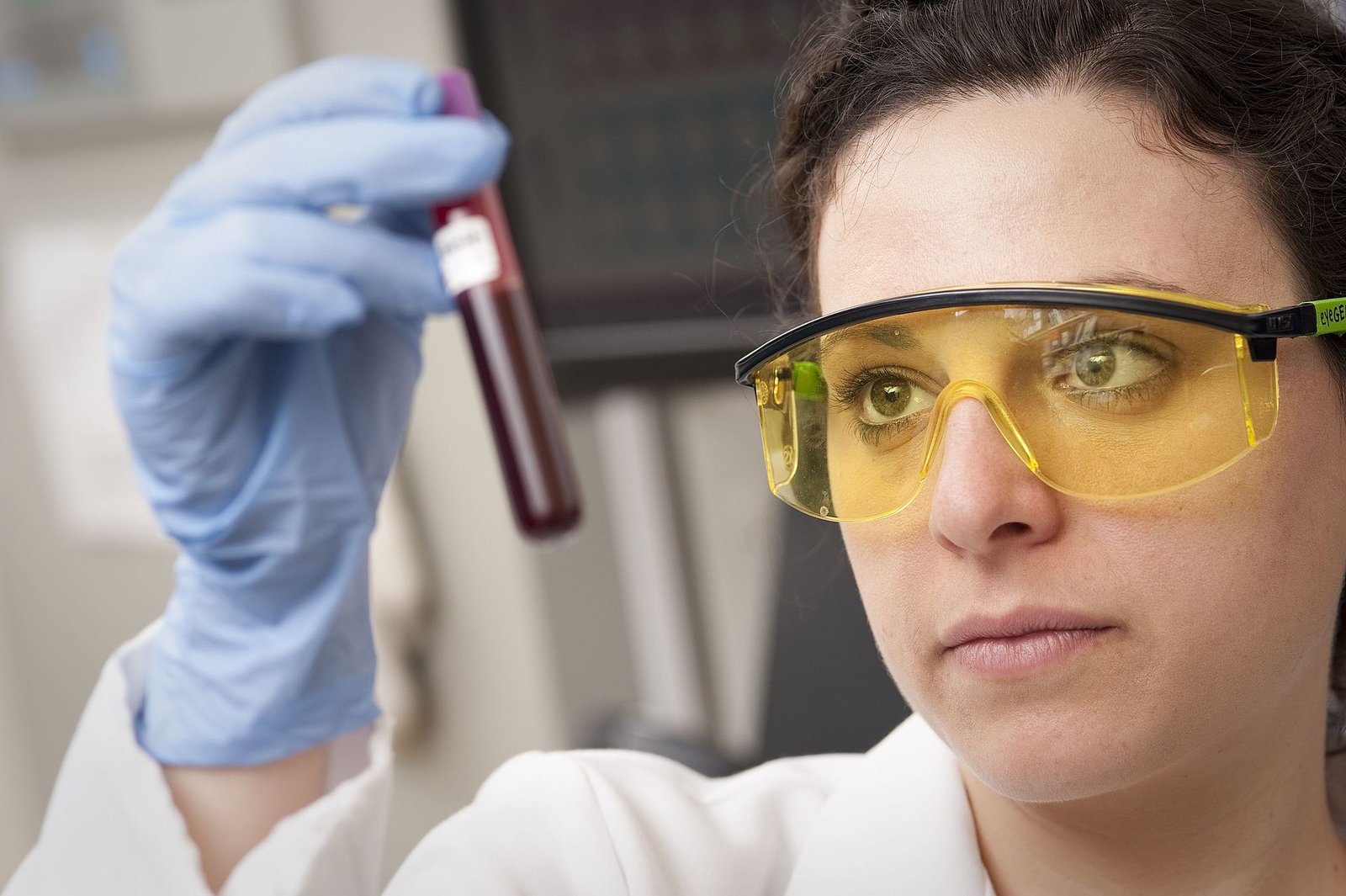
十月是乳腺癌防治宣传月:CDC建议40岁起每两年做一次乳腺X光筛查
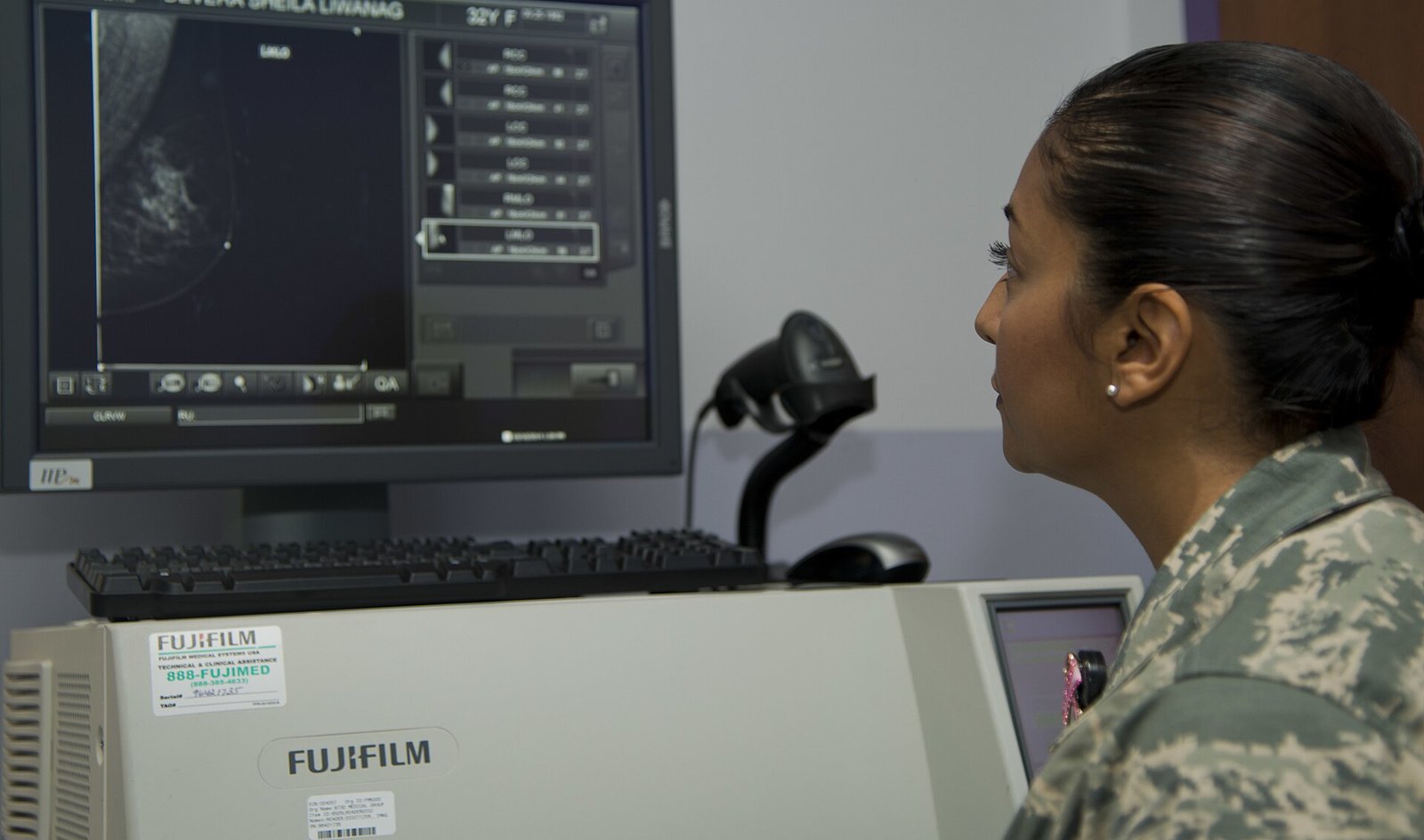
每年10月是美国「全国乳腺癌防治宣传月」(National Breast Cancer Awareness Month)。这个始于上世纪80年代的年度宣传活动,目标只有一个:让更多女性了解乳腺癌、了解筛查,把癌症挡在早期。
美国疾病控制与预防中心(CDC)指出,乳腺癌筛查的意义在于「在出现症状之前」发现癌症。官方给出的关键数字是:乳腺癌若在局部早期阶段被发现,超过99%的女性在确诊5年后依然存活。筛查不能预防乳腺癌,但能让癌症在最容易治疗的时候被发现。
筛查怎么做?美国预防服务工作组(USPSTF)——由医生与疾病专家组成的独立机构——建议:40至74岁、属平均风险的女性,每两年做一次乳腺X光检查(mammogram)。CDC称,对大多数适龄女性而言,乳腺X光是目前发现早期乳腺癌最好的方法,它能在肿块大到摸得出来、出现症状之前就发现异常;按期筛查可降低死于乳腺癌的风险。风险高于平均水平的女性——如有乳腺癌家族史、携带BRCA1/BRCA2基因突变、胸部曾接受大剂量放疗——应与医生商量个性化的筛查方案。
费用是很多华人女性犹豫的原因。CDC明确:大多数医疗保险计划须从40岁起,每1至2年覆盖一次筛查性乳腺X光,患者无需自付(无共付额、无免赔额)。没有保险也不应成为障碍:CDC通过「全国乳腺癌与宫颈癌早诊项目」(National Breast and Cervical Cancer Early Detection Program)为符合条件者提供免费或低价的乳腺X光筛查。
CDC同时提醒「乳房自我认知」(breast self-awareness):熟悉自己乳房平时的样子与触感,注意任何变化。官方列出的警示信号包括:乳房或腋下出现新肿块;乳房局部肿胀或增厚;乳房大小或形状变化;乳房皮肤凹陷、发红;乳头变化或出现非母乳的乳头溢液;持续的乳房或乳头疼痛。CDC强调:许多乳房变化并非癌症引起,但任何新的、可疑的变化都应告诉医生,不要等到下一次常规筛查才开口。
官方也如实列出筛查的利弊:利是早期发现、肿瘤尚未扩散;弊包括假阳性(检查看着像癌、实则不是,会带来更多检查、费用与焦虑)、过度诊断(发现本不会造成问题的癌症并过度治疗),以及乳腺X光本身极小剂量的辐射。正因如此,CDC建议筛查前与医生充分沟通、共同决定(informed and shared decision-making)。
去哪里筛查?诊所、医院或医生办公室均可;想筛查可直接致电医生办公室预约。CDC咨询电话800-232-4636。十月宣传月的提醒很简单:如果到了该筛查的时间,这个月就把预约约上;身边有符合年龄的亲友,也把这条信息转给她。
October Is Breast Cancer Awareness Month: CDC Recommends Mammograms Every 2 Years Starting at Age 40
Every October is National Breast Cancer Awareness Month in the United States. The annual campaign, dating back to the 1980s, has a single goal: helping more women learn about breast cancer and about screening — catching cancer early.
The U.S. Centers for Disease Control and Prevention (CDC) notes that the point of breast cancer screening is to find cancer "before there are signs or symptoms of the disease." The agency's key figure: when breast cancer is found at an early, localized stage, more than 99% of women are alive five years after diagnosis. Screening cannot prevent breast cancer, but it can find it when it is easiest to treat.
How should screening be done? The U.S. Preventive Services Task Force (USPSTF) — an independent panel of doctors and disease experts — recommends that women aged 40 to 74 at average risk get a mammogram every two years. The CDC says that for most women of screening age, a mammogram is currently the best way to find breast cancer early: it can detect changes before they are big enough to feel or cause symptoms, and getting screened on a regular schedule can lower the risk of dying from breast cancer. Women at higher-than-average risk — those with a family history of breast cancer, inherited BRCA1 or BRCA2 changes, or previous high-dose radiation to the chest — should talk with their doctor about a personalized screening plan.
Cost keeps many women from screening. The CDC states plainly: most health insurance plans are required to cover screening mammograms every one to two years for women beginning at age 40, with no out-of-pocket cost — no co-pay, deductible or co-insurance. Lack of insurance should not be a barrier either: through the National Breast and Cervical Cancer Early Detection Program, the CDC offers free or low-cost mammograms to those who qualify.
The CDC also urges "breast self-awareness": knowing how your breasts normally look and feel, so you notice changes. Official warning signs include: a new lump in the breast or underarm; swelling or thickening of part of the breast; changes in the size or shape of the breast; dimpling or redness of the breast skin; nipple changes or nipple discharge other than breast milk; and persistent breast or nipple pain. The CDC stresses that many breast changes are caused by conditions other than cancer — but any new or concerning change should be reported to a doctor rather than waiting for the next routine screening.
The agency also lays out the benefits and risks honestly: the benefit is finding cancer early, before it has spread; the risks include false positives (something that looks like cancer but isn't, leading to more tests, expense and anxiety), overdiagnosis (finding cancers that would never have caused problems, and overtreating them), and the small radiation dose from the mammogram itself. That is why the CDC recommends informed and shared decision-making with your doctor before screening.
Where to get screened? A clinic, hospital or doctor's office — call your doctor's office to schedule. The CDC information line is 800-232-4636. The Awareness Month reminder is simple: if you are due for screening, make the appointment this month — and pass this information to a friend or relative of screening age.
图片来源:图:医护人员在工作站查看乳腺X光筛查影像。美国空军官方照片(摄影:Sheila deVera 上士),公有领域,取自 Wikimedia Commons