热带风暴「蕾切尔」临近:FEMA官方防灾指引——72小时应急包、沙袋防洪、盯紧警报
热带风暴「蕾切尔」(Rachel)正逼近南加州。美国国家气象局(NWS)圣迭戈办公室10月9日对圣迭戈县发布热带风暴观察(Tropical Storm Watch),覆盖全县沿海、内陆谷地、山区与沙漠地区——这是圣迭戈县历史上第二次发布热带风暴观察,上一次是2023年飓风「希拉里」(Hilary)。气象预报中心(WPC)已将10日晚至11日南加州部分地区的过量降雨风险定为4级中的第3级(Moderate Risk);国家飓风中心(NHC)预计,蕾切尔及相关水汽将在美国西南部带来1至3英寸降雨,局部可达5英寸,圣迭戈县山区最大降雨速率可达每小时0.5至1英寸。
风暴新闻讲的是进展,防灾宣传讲的是行动。联邦应急管理局(FEMA)旗下Ready.gov的飓风与热带风暴指引把准备工作分为风暴前、风暴中、风暴后三段,核心只有一句:提前准备,别等到风暴进门。
风暴来临前,Ready.gov建议每个家庭制定应急联络计划,并备好至少可支撑72小时的应急物资包。官方清单包括:饮用水——每人每天1加仑、备数天量,饮用与卫生用水都要算上;数天量的耐储存食品;手摇或电池供电收音机,最好是带警报音的NOAA气象电台;手电筒与备用电池;急救包;哨子(求救用);手机充电器与充电宝;额外现金——长时间停电时ATM与刷卡机可能无法工作;重要证件复印件;宠物用品。FEMA还建议提前了解所在社区的疏散计划与疏散路线、订阅当地警报,并检查保险覆盖范围——普通房屋保险不保洪水损失,详情可查FloodSmart.gov。
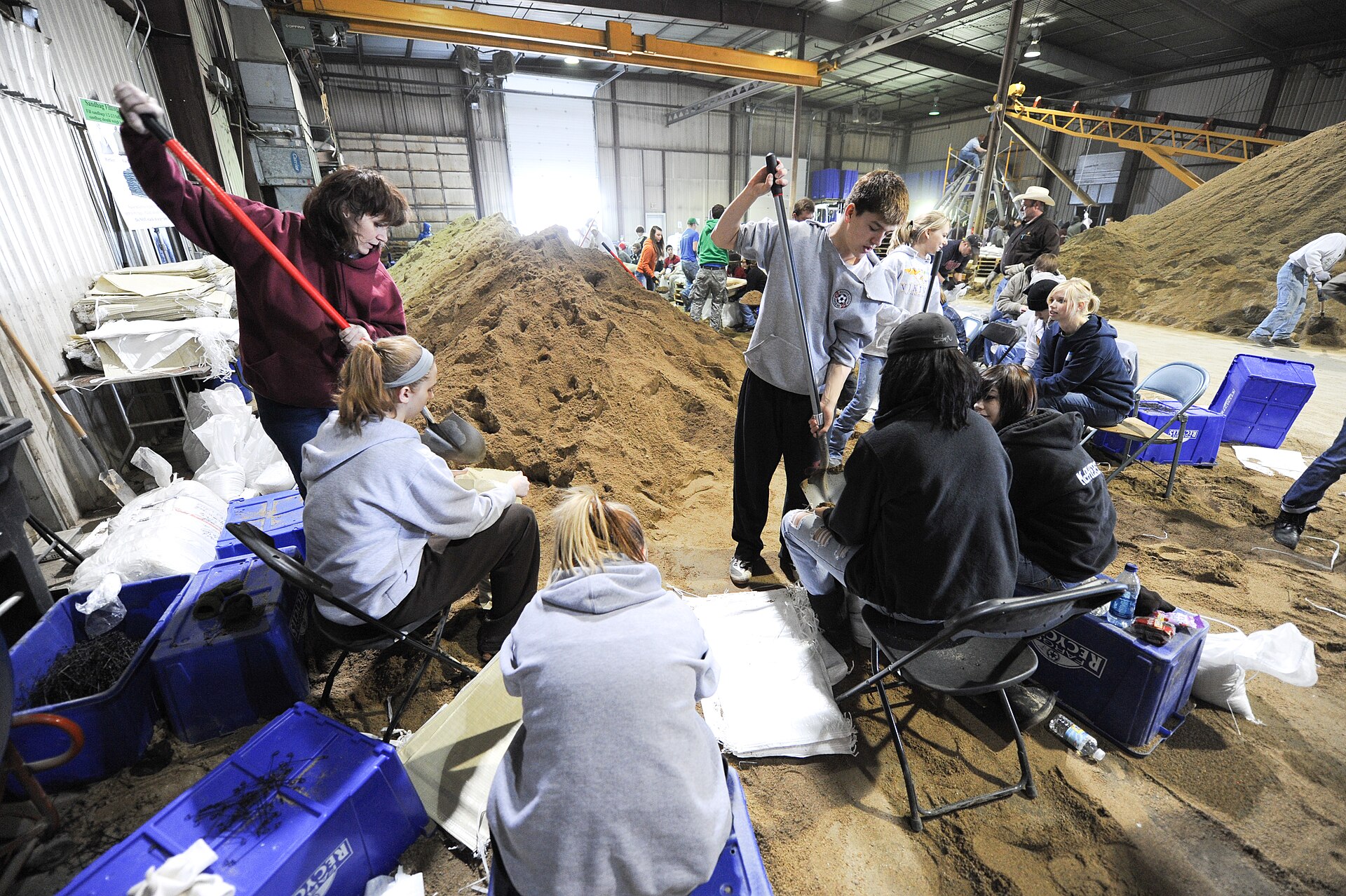
房屋加固方面,国家气象局的飓风准备指南建议:收起庭院里可能被吹动的物品,如自行车、庭院家具、烤架、丙烷罐;必要时用沙袋加固、阻挡可能涌入的洪水,领取沙袋前可先向当地消防部门查询发放点;清理堵塞的雨水槽与落水管;把贵重物品搬到家中较高处;浴缸与大容器提前储水备用;车辆加满油;手机等电子设备充满电。
风暴进行中,官方口径是:待在室内,远离门窗;非必要不外出。国家气象局反复强调的一句话是「Turn Around, Don't Drown」——看到积水路段,调头,别硬闯。洪水是飓风与热带风暴中最致命的杀手之一。
风暴过后,注意倒下的电线并报告给电力公司;如使用发电机,必须放在室外、远离门窗处使用,以防一氧化碳中毒;关心邻居,特别是独居老人与需要帮助的人。
警报渠道方面:国家气象局官网weather.gov与国家飓风中心发布权威预报;FEMA手机应用可保存最多5个地点,推送国家气象局与IPAWS系统的紧急警报,还可查询附近避难所与灾后恢复中心。Ready.gov强调:任何时候都遵从当地官员的指令,接到疏散令必须撤离。完整指引见ready.gov/hurricanes(西班牙语版listo.gov/huracanes)。
太平洋飓风季从5月15日开始,大西洋飓风季持续到11月30日。圣迭戈历史上发布热带风暴观察极为罕见,提前一天把这份清单备齐,远胜于风暴当天排队抢购。
As Tropical Storm Rachel Nears SoCal: FEMA's Official Preparedness Guide — 72-Hour Kits, Sandbags, Alert Channels
Tropical Storm Rachel is bearing down on Southern California. The National Weather Service (NWS) office in San Diego issued a Tropical Storm Watch for San Diego County on October 9, covering the county's coast, inland valleys, mountains and deserts — only the second such watch in the county's history, after Hurricane Hilary in 2023. The NWS Weather Prediction Center has placed parts of Southern California under a Moderate Risk (level 3 of 4) of excessive rainfall from Saturday night into Sunday. The National Hurricane Center (NHC) expects Rachel and its associated moisture to bring 1 to 3 inches of rain to the U.S. Southwest, with localized totals up to 5 inches; peak rainfall rates in the San Diego County mountains could reach 0.5 to 1 inch per hour.
Storm news covers what is happening; preparedness guidance covers what to do. The Federal Emergency Management Agency's Ready.gov hurricane and tropical storm guidance divides preparation into three phases — before, during and after the storm — with one core message: prepare early, not when the storm is at the door.
Before the storm, Ready.gov urges every household to make a family emergency communication plan and assemble an emergency supply kit sufficient for at least 72 hours. The official checklist includes: water — one gallon per person per day for several days, for both drinking and sanitation; a several-day supply of non-perishable food; a battery-powered or hand-crank radio, preferably an NOAA Weather Radio with tone alert; a flashlight and extra batteries; a first aid kit; a whistle to signal for help; cell phone chargers and a backup battery; extra cash — ATMs and card machines may not work during extended power outages; copies of important documents; and pet supplies. FEMA also advises residents to learn their community's evacuation plan and routes, sign up for local alerts, and check insurance coverage — standard homeowners insurance does not cover flood damage (see FloodSmart.gov).
To harden the home, NWS hurricane preparation guidance recommends: bringing inside outdoor items that could blow around, such as bikes, lawn furniture, grills and propane tanks; using sandbags where needed to secure property and block floodwater — check with the local fire department for sandbag distribution points; clearing clogged gutters and downspouts; moving valuables to higher levels; filling bathtubs and large containers with water for sanitary use; fueling vehicles; and fully charging electronic devices.
During the storm, the official guidance is: stay indoors and away from windows; avoid unnecessary travel. The NWS mantra is "Turn Around, Don't Drown" — never walk or drive through flooded roadways. Flooding is among the deadliest hazards of hurricanes and tropical storms.
After the storm, watch for downed power lines and report them to the utility company; if using a generator, operate it outdoors only, away from windows and doors, to prevent carbon monoxide poisoning; and check on neighbors, especially older adults living alone and those who may need help.
For alerts: weather.gov and the National Hurricane Center carry authoritative forecasts; the FEMA mobile app can save up to five locations and push NWS and IPAWS emergency alerts, and can look up nearby shelters and disaster recovery centers. Ready.gov stresses: always follow instructions from local officials, and evacuate when told to do so. The full guidance is at ready.gov/hurricanes (Spanish: listo.gov/huracanes).
The Pacific hurricane season begins May 15 and the Atlantic season runs through November 30. A tropical storm watch is an exceptionally rare event for San Diego — preparing a day early beats lining up at the store the day the storm arrives.
图片来源:志愿者在沙袋中心装填沙袋防洪,FEMA 官方照片,公有领域(Wikimedia Commons,Michael Rieger/FEMA 摄)