2026年诺贝尔生理学或医学奖揭晓:光遗传学三位先驱Deisseroth、Hegemann与Nagel获奖
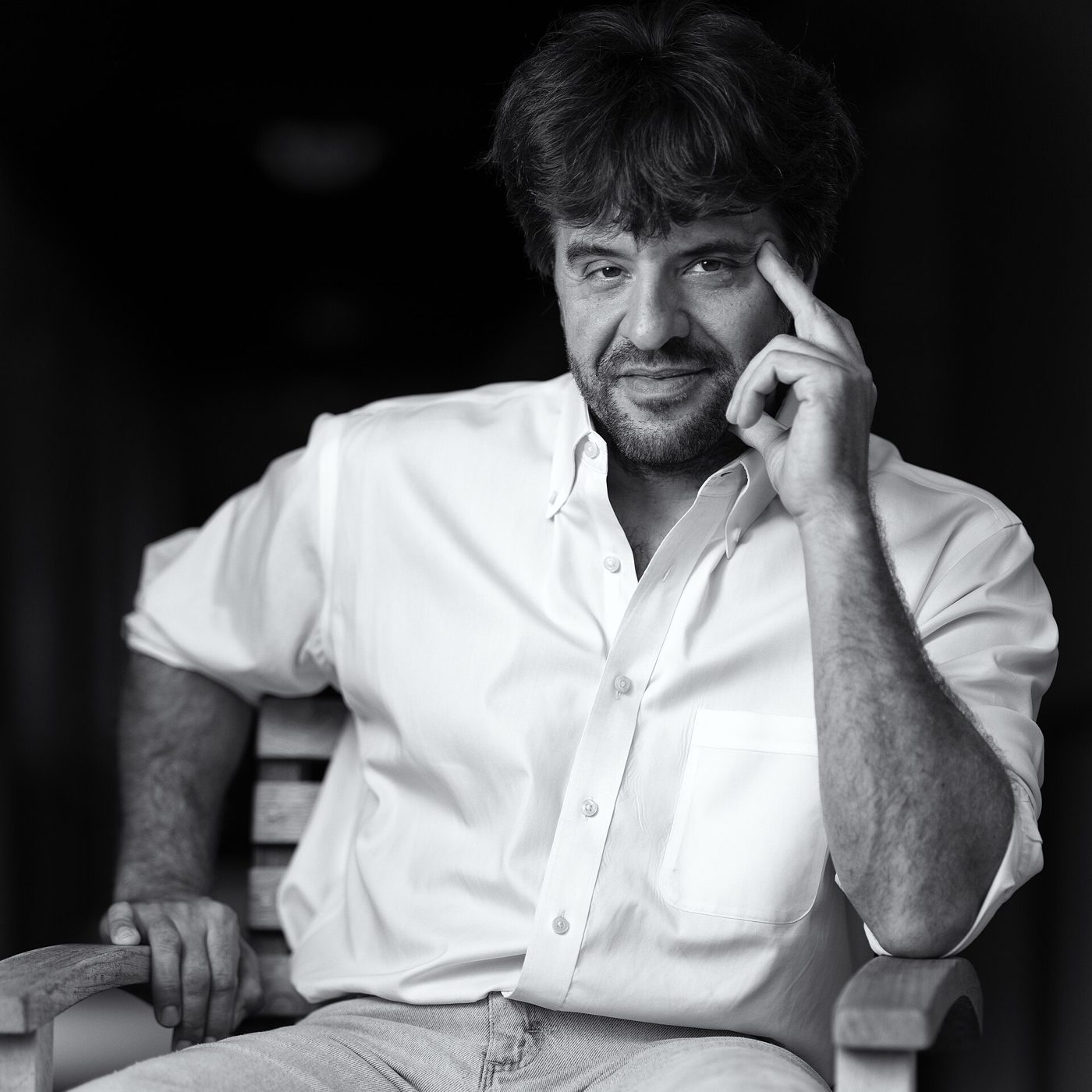
斯德哥尔摩10月5日——据诺贝尔奖官方与Science News报道,卡罗林斯卡学院诺贝尔大会10月5日宣布,2026年诺贝尔生理学或医学奖授予美国科学家卡尔·戴瑟罗斯(Karl Deisseroth)与德国科学家彼得·黑格曼(Peter Hegemann)、格奥尔格·纳格尔(Georg Nagel),表彰他们关于光门控离子通道与光遗传学的发现。
这项技术的源头是一种单细胞绿藻眼点中的蛋白。2000年代初,黑格曼与纳格尔先后在马克斯·普朗克生物化学研究所与生物物理研究所发现并表征了通道视紫红质(channelrhodopsin):受光照时,该蛋白像孔道一样打开,允许带正电的离子流入细胞、产生电脉冲。戴瑟罗斯团队随后把该蛋白的基因导入培养的大鼠神经细胞乃至活体小鼠脑内,用光纤导入的蓝光精确开关特定神经元,甚至控制了小鼠胡须的运动。
诺贝尔委员会表示,这项被命名为「光遗传学」的技术彻底改变了神经科学,使研究者能逐条回路地检验脑细胞与记忆、情绪、行为之间的联系,并揭示抑郁、失明与痴呆等疾病中脑回路受损的机制。同一原理如今还被用于视网膜色素变性的基因治疗临床探索:把光敏蛋白送入残存视网膜细胞,使其重新获得感光能力。
信息来源:诺贝尔奖官方发布、Science News 10月5日报道。
图片来源:Army scientists use fluorescent gels to study blast pressure on the brain — Army Research Laboratory / Public Domain (via Openverse)
2026 Nobel Prize in Physiology or Medicine: Optogenetics Pioneers Deisseroth, Hegemann and Nagel
STOCKHOLM, Oct. 5 — The Nobel Assembly at the Karolinska Institutet announced on Oct. 5 that the 2026 Nobel Prize in Physiology or Medicine goes to American scientist Karl Deisseroth and German scientists Peter Hegemann and Georg Nagel, for their discoveries concerning light-gated ion channels and optogenetics, according to the Nobel Prize organization and Science News.
The story starts in the eye spot of a single-celled green alga. In the early 2000s, Hegemann, then at the Max Planck Institute for Biochemistry, and Nagel, at the Max Planck Institute for Biophysics, discovered and characterized channelrhodopsin: when illuminated, the protein opens like a pore, letting positively charged ions flow into a cell and generating an electrical impulse. Deisseroth's team then inserted the gene into cultured rat nerve cells and into neurons in the brains of living mice, using optical fibers to switch specific neurons on and off with blue light — precise enough to control the movement of the rodents' whiskers.
The committee said the technique, soon known as optogenetics, transformed neuroscience by letting researchers test links between specific brain circuits and memory, emotion and behavior, and has revealed how circuits are disrupted in conditions such as blindness, depression and dementia. The same principle is now being tested clinically to restore visual function in advanced retinitis pigmentosa, by giving surviving retinal cells the ability to respond to light.
Source: Nobel Prize organization announcement; Science News, Oct. 5.
Photo: Army scientists use fluorescent gels to study blast pressure on the brain — Army Research Laboratory / Public Domain (via Openverse)
图片来源:获奖者之一、光遗传学先驱卡尔·戴瑟罗思(Karl Deisseroth)。摄影:Christopher Michel,CC BY-SA 4.0,Wikimedia Commons