冷冻血蚶甲肝疫情结案:37人感染30人住院,进口商未被点名引关注
亚特兰大10月3日——据食品安全法律媒体LexBlog对联邦结案文件的梳理,美国疾病控制与预防中心(CDC)本周结案一起与冷冻血蚶相关的甲型肝炎疫情:共37人感染,其中30人住院。负责进口环节追溯的文件中,进口商始终没有被点名,污染环节也未给出结论。
甲型肝炎由甲肝病毒引起,经粪口途径传播,贝类等水产若生长或加工于受污染水域、或经感染者处理,可成为传播载体。感染后潜伏期通常为15至50天,症状包括疲劳、恶心、黄疸与深色尿;多数患者可完全康复,老年人与慢性肝病患者重症风险较高。CDC指出,接种甲肝疫苗是最有效的预防手段,接触后两周内接种可起到暴露后预防作用。
这起疫情与同期结案的环孢子虫(12,883人)与辣椒沙门氏菌(488人)疫情并列,被评论指为「结案未结因」的代表案例:三起调查均确认了涉事食品或供应链节点,却都没有公布病原体进入食物的具体路径。食品安全律师界提醒,进口水产的供应链文件留存与批次追溯,是零售与餐饮买家在采购环节可核查的关键凭据。
贝类食用提示方面,监管机构长期建议:贝类应彻底加热后食用,冷冻保存只能抑制而非杀灭病毒;从不明来源购买整批冷冻贝类时,应保留进口与批次标签,以便在疫情通报时第一时间核对。对餐饮业者而言,供货商资质与批次记录是这类事件中划分责任的关键证据。
信息来源:LexBlog 10月3日周末综述,引述CDC结案通报。
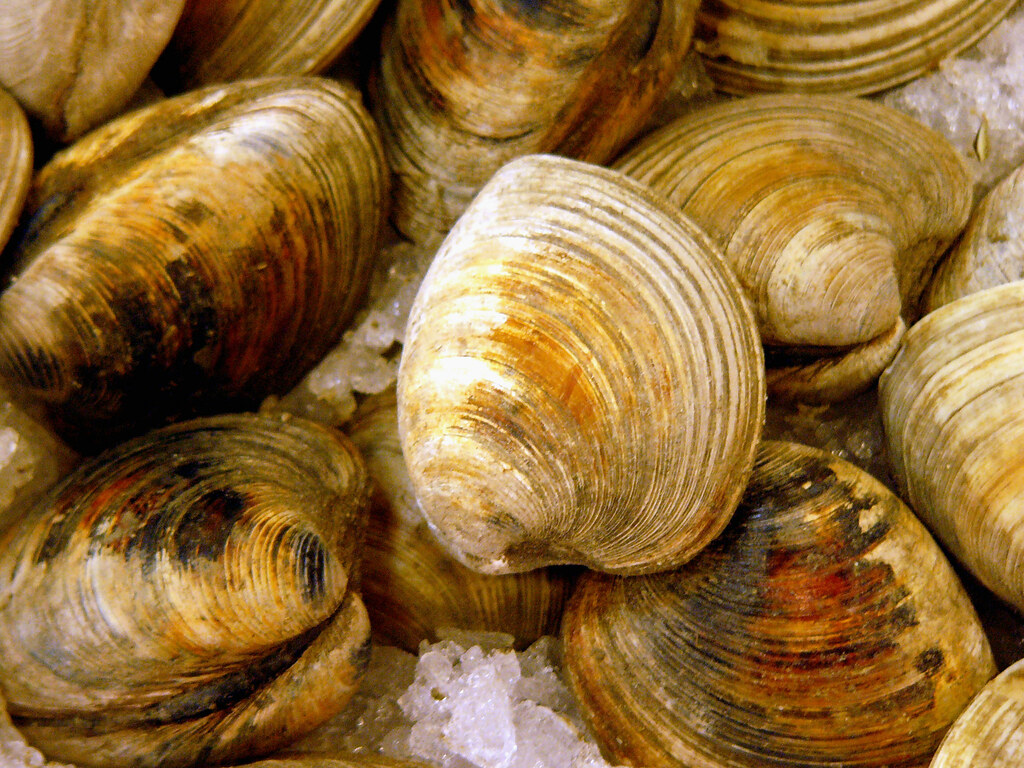
图片来源:Clams — Kathleen Tyler Conklin / CC BY 2.0 (via Openverse)
Hepatitis A Outbreak in Frozen Blood Clams Closed at 37 Sick and 30 Hospitalized; Importer Never Named
ATLANTA, Oct. 3 — The Centers for Disease Control and Prevention has closed a hepatitis A outbreak linked to frozen blood clams at 37 illnesses and 30 hospitalizations, according to a LexBlog review of the federal closing files. The importer was never named in the traceback documents, and no conclusion was published on how the virus entered the product.
Hepatitis A spreads through the fecal-oral route, and shellfish harvested from contaminated waters or handled by an infected worker can carry the virus. The incubation period is usually 15 to 50 days; symptoms include fatigue, nausea, jaundice and dark urine. Most patients recover fully, while older adults and people with chronic liver disease face a higher risk of severe illness. The CDC identifies vaccination as the most effective prevention, and a dose given within two weeks of exposure can work as post-exposure prophylaxis.
The case closed in the same week as the record Cyclospora investigation (12,883 sick) and a jalapeño Salmonella outbreak (488 sick). In all three, investigators identified the food or a supply-chain node but published no route of contamination, a pattern food safety lawyers say makes lot-level traceback records the key document buyers can demand at the purchasing stage.
Long-standing regulator advice on shellfish applies here: cook shellfish thoroughly — freezing suppresses but does not kill the virus — and keep import and lot labels when buying frozen product in bulk so batches can be checked immediately when an outbreak posts. For restaurants, supplier credentials and lot records are the key evidence when responsibility is apportioned in cases like this.
Source: LexBlog weekend wrap-up, Oct. 3, citing the CDC closing notice.
Photo: Clams — Kathleen Tyler Conklin / CC BY 2.0 (via Openverse)
图片来源:Clams — Kathleen Tyler Conklin / CC BY 2.0 (via Openverse)