美国最高法院6比3裁定:《国际紧急经济权力法》不授权总统加征关税
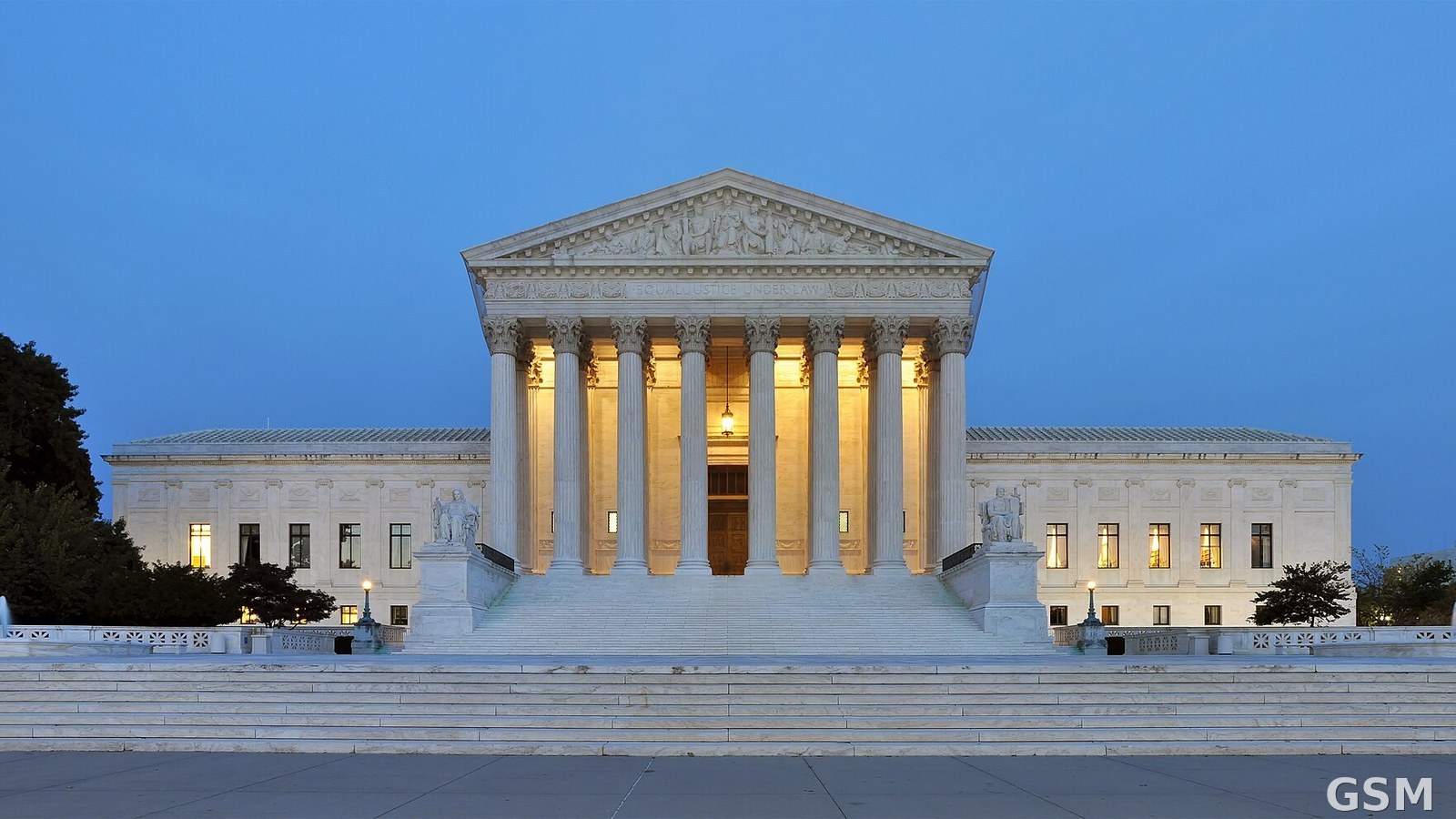
2026年2月20日,美国最高法院在「学习资源公司诉特朗普」一案中以6比3裁定,《国际紧急经济权力法》(IEEPA)并不授权总统征收关税。首席大法官 John Roberts 撰写的法院意见说,该法授予总统在紧急状态下「管制进口」的权力,并不包含征收关税的权力;关税权在宪法上属于国会。
此案与「V.O.S.精选公司诉特朗普」一案合并审理。多数意见的核心部分由 Roberts 与大法官 Sonia Sotomayor、Elena Kagan、Neil Gorsuch、Amy Coney Barrett、Ketanji Brown Jackson 六人共同支持;其中援引「重大问题原则」的部分只有 Roberts、Gorsuch 与 Barrett 三人加入。Kagan 另写协同意见,认为仅用通常的法律解释方法就能得出同一结论。Samuel Alito、Clarence Thomas 与 Brett Kavanaugh 持异议,异议意见由 Kavanaugh 撰写。最高法院据此维持了联邦巡回上诉法院在 V.O.S. 案中的判决,该判决此前已维持国际贸易法院认定 IEEPA 关税越权的裁决。
被裁定越权的关税包括特朗普政府以 IEEPA 为依据对几乎所有贸易伙伴征收的「对等关税」,以及以打击芬太尼流入为由对中国、加拿大与墨西哥商品征收的关税。依其他法律授权征收的关税,如依《1962年贸易扩展法》第232条与《1974年贸易法》第301条征收的关税,不受这项裁决影响。裁决本身没有处理已经征收的关税应如何退还的问题。
裁决当天,特朗普签署行政令,终止依据 IEEPA 实施的关税行动,并表示政府将改用其他法律依据维持关税,包括动用《1974年贸易法》第122条。
关联:联邦巡回法院7比4裁定IEEPA关税违法 维持国际贸易法院判决
关联:特朗普签署第11012号公告:对进口商品加征10%临时附加税,为期150天
Supreme Court Rules 6-3 That IEEPA Does Not Authorize the President to Impose Tariffs
On February 20, 2026, the Supreme Court ruled 6-3 in Learning Resources, Inc. v. Trump that the International Emergency Economic Powers Act (IEEPA) does not authorize the president to impose tariffs. In an opinion by Chief Justice John Roberts, the Court held that IEEPA's authority to “regulate … importation” during an emergency does not include the power to impose tariffs, a power the Constitution assigns to Congress.
The case was decided together with Trump v. V.O.S. Selections, Inc. The core of the opinion was joined by Chief Justice Roberts and Justices Sonia Sotomayor, Elena Kagan, Neil Gorsuch, Amy Coney Barrett and Ketanji Brown Jackson; the portions resting on the major questions doctrine were joined only by Roberts, Gorsuch and Barrett. Justice Kagan wrote separately, agreeing in the result on ordinary principles of statutory interpretation. Justices Samuel Alito and Clarence Thomas joined a dissent by Justice Brett Kavanaugh. The Court affirmed the Federal Circuit's decision in V.O.S. Selections, which had upheld the Court of International Trade's ruling that the IEEPA tariffs exceeded the president's authority.
The tariffs struck down include the “reciprocal” tariffs the Trump administration imposed on nearly all trading partners under IEEPA, and the IEEPA tariffs on goods from China, Canada and Mexico imposed over the flow of fentanyl. Tariffs imposed under other statutes, such as Section 232 of the Trade Expansion Act of 1962 and Section 301 of the Trade Act of 1974, are unaffected. The ruling itself did not address how duties already collected should be refunded.
On the day of the ruling, President Trump signed an executive order ending the tariff actions taken under IEEPA, and said the administration would keep tariffs in place under other legal authorities, including Section 122 of the Trade Act of 1974.
Related: Federal Circuit Rules 7-4 That IEEPA Tariffs Are Unlawful, Affirming the Trade Court
Related: Trump Signs Proclamation 11012 Imposing a 10 Percent Temporary Import Surcharge for 150 Days
来源:美国最高法院
发布:GSM·美国(发布链接)
图片来源:图:位于美国华盛顿的美国最高法院大楼黄昏全景(资料照片)。Joe Ravi 摄,CC BY-SA 3.0,经 Wikimedia Commons。 / Photo: The United States Supreme Court building in Washington, D.C., at dusk (file photo). Photo by Joe Ravi, CC BY-SA 3.0, via Wikimedia Commons.
GSM Global · 本篇英文版 English edition of this story