最高法院以6比3裁定联邦法院无权发布全国性禁令
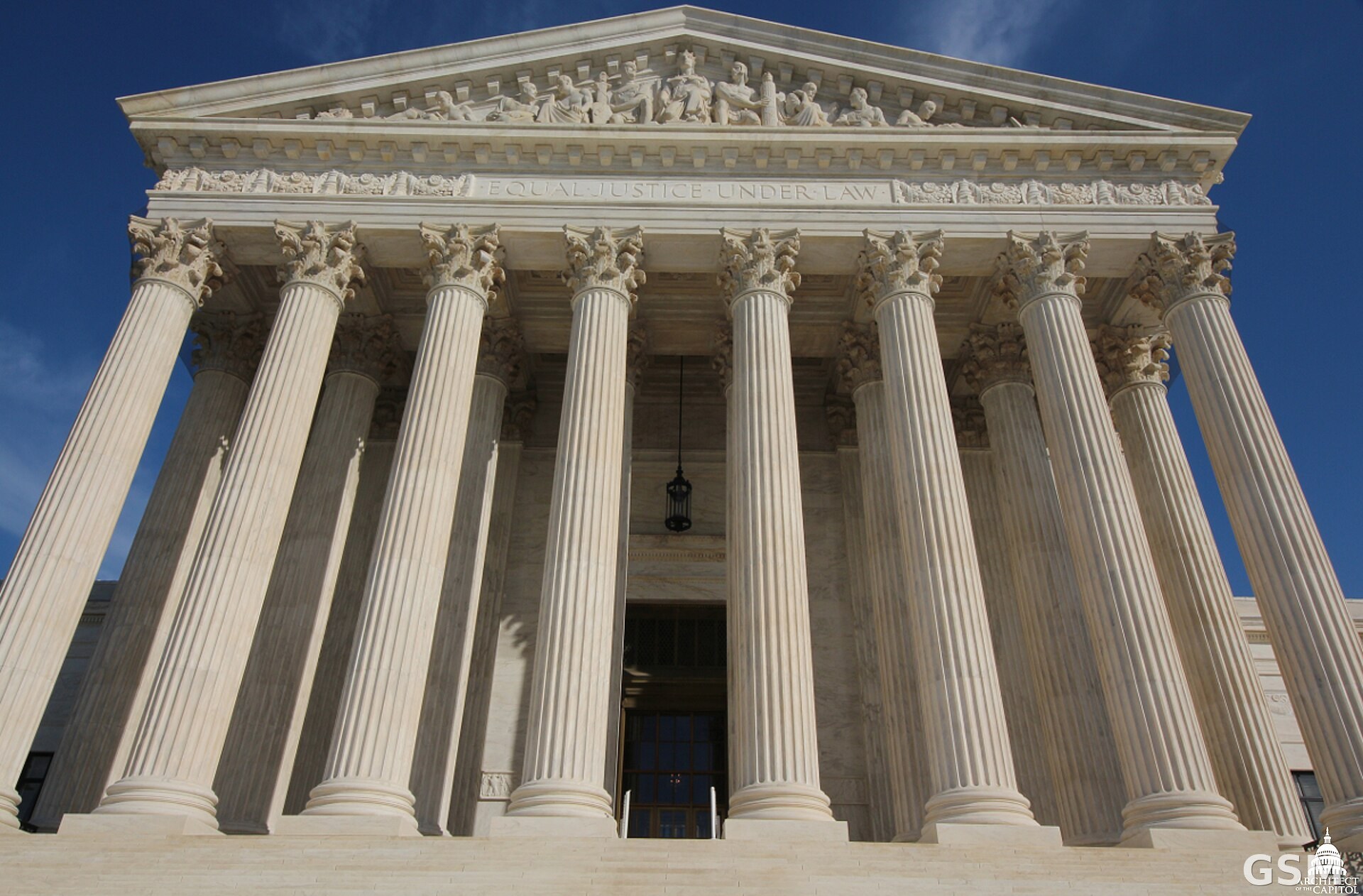
2025年6月27日,美国最高法院在华盛顿以6票对3票裁定,联邦法院发布的全国性禁令(又称普遍禁令)很可能超出了国会通过1789年《司法法案》授予联邦法院的衡平法权力。法院批准联邦政府提出的部分暂缓执行申请,把三起案件中地区法院发布的禁令,限缩到不超过为每位有起诉资格的原告提供完整救济所必需的范围。
三起合并审理的案件是 Trump 诉 CASA 公司案、Trump 诉华盛顿州案与 Trump 诉新泽西州案,共同源头是特朗普2025年1月20日签署的第14160号行政令。该行政令提出,一个在美国出生的人,若其母亲当时非法居留、或合法但临时居留,且父亲不是美国公民或合法永久居民,将不被承认为美国公民。个人、组织与州政府随后分别起诉,指行政令违反宪法第十四修正案的公民权条款与1940年《国籍法》第201条;马里兰区、西华盛顿区与马萨诸塞区的三家联邦地区法院都发布了禁止向任何人执行该行政令的全国性初步禁令,三家联邦上诉法院都拒绝暂缓执行这些禁令。
多数意见由大法官 Amy Coney Barrett 撰写,首席大法官 John Roberts 与大法官 Clarence Thomas、Samuel Alito、Neil Gorsuch、Brett Kavanaugh 加入。意见说,1789年《司法法案》授予联邦法院的衡平权力,只涵盖建国时衡平法院传统上提供的那类救济,而全国性禁令与建国时期英格兰衡平法院的任何救济都不足够相类;意见同时说,完整救济不等于普遍救济,法院下令禁止对原告本人执行行政令,就已使原告获得完整救济,把禁令扩及所有处境相同的人并不会使这份救济更完整。原告援引的旧时群体诉讼「和平法案」也不能类比全国性禁令,其现代对应物是受联邦民事诉讼规则第23条约束的集体诉讼。至于各州提出的、其完整救济离不开全国禁令的主张,法院交由下级法院先行审理。
法院明确表示,本次裁定不处理第14160号行政令本身是否违反公民权条款或《国籍法》,该问题仍由下级法院审理。多数意见在结尾写道:「当一个法院认定行政部门的行为违法时,答案不是让这个法院也超越自己的权力。」大法官 Sonia Sotomayor 撰写了异议意见,大法官 Elena Kagan 与 Ketanji Brown Jackson 加入,Jackson 另行撰写异议意见;Thomas、Alito 与 Kavanaugh 分别撰写了协同意见。
(来源:美国最高法院)
Supreme Court Rules 6-3 That Federal Courts Lack Authority to Issue Universal Injunctions
On June 27, 2025, the Supreme Court ruled 6-3 in Washington that universal injunctions, also called nationwide injunctions, likely exceed the equitable authority that Congress granted federal courts in the Judiciary Act of 1789. The Court granted the federal government's applications for a partial stay, narrowing the injunctions entered in three cases to no broader than necessary to provide complete relief to each plaintiff with standing to sue.
The three consolidated cases, Trump v. CASA, Inc., Trump v. Washington, and Trump v. New Jersey, all grew out of Executive Order No. 14160, signed by President Trump on January 20, 2025. The order provides that a person born in the United States is not recognized as a citizen when the person's mother was unlawfully present, or lawfully but temporarily present, and the father was not a U.S. citizen or lawful permanent resident at the time of the birth. Individuals, organizations, and states sued, arguing that the order violates the Citizenship Clause of the Fourteenth Amendment and Section 201 of the Nationality Act of 1940; district courts for the District of Maryland, the Western District of Washington, and the District of Massachusetts each entered a universal preliminary injunction barring enforcement of the order against anyone, and each court of appeals denied the government's request to stay that sweeping relief.
Justice Amy Coney Barrett delivered the opinion of the Court, joined by Chief Justice John Roberts and Justices Clarence Thomas, Samuel Alito, Neil Gorsuch, and Brett Kavanaugh. The opinion held that the equitable authority granted by the Judiciary Act of 1789 covers only the sorts of remedies traditionally accorded by courts of equity at the founding, and that universal injunctions are not sufficiently analogous to any relief available in the English court of equity at that time. It also held that complete relief is not synonymous with universal relief: prohibiting enforcement of the order against an individual plaintiff's child gives that plaintiff complete relief, and extending the injunction to everyone similarly situated would not make her relief any more complete. The historic bill of peace invoked by the plaintiffs was no valid analogy either, the Court said; its modern analogue is the class action governed by Rule 23 of the Federal Rules of Civil Procedure. The Court left the states' argument, that only a universal injunction could give them complete relief, for the lower courts to consider in the first instance.
The Court expressly did not address whether Executive Order No. 14160 itself violates the Citizenship Clause or the Nationality Act, a question that remains before the lower courts. When a court concludes that the Executive Branch has acted unlawfully, the answer is not for the court to exceed its power, too, the majority wrote in closing. Justice Sonia Sotomayor filed a dissenting opinion joined by Justices Elena Kagan and Ketanji Brown Jackson, and Justice Jackson filed a separate dissent; Justices Thomas, Alito, and Kavanaugh each filed concurring opinions.
Related: Federal Judge Temporarily Blocks Trump's Order Ending Birthright Citizenship
(Source: Supreme Court of the United States)
来源:美国最高法院
发布:GSM·美国(发布链接)
图片来源:图:位于华盛顿特区的美国最高法院大楼西立面。Architect of the Capitol 摄,公共领域,经 Wikimedia Commons。 / Photo: The west front of the U.S. Supreme Court Building in Washington, D.C. Photo by the Architect of the Capitol, public domain, via Wikimedia Commons.
GSM Global · 本篇英文版 English edition of this story