谷歌AI芯片上天!SpaceX助力“太阳捕手计划”启动首次在轨测试
Alphabet计划通过SpaceX“猎鹰9”(Falcon 9)火箭,将其自主研发的AI芯片送入轨道,这是推动太空数据中心从概念走向现实的重要一步。发射任务“Transporter-18”于太平洋时间10月1日上午在加州范登堡太空军基地进行,搭载了一颗由太阳能供电、配备谷歌张量处理单元(TPU)的原型卫星。
这是谷歌母公司Alphabet“Project Suncatcher”(太阳捕手计划)的首次在轨测试。该计划于2025年11月首次披露,旨在开发可靠、由太阳能供电的AI计算基础设施。在近地轨道,卫星能够获得近乎持续不断的阳光,产生的太阳能最多可达到地球上的8倍。谷歌希望未来将多个卫星星座连接起来,在轨道上处理更大规模的AI工作负载。
SpaceX同样将太空算力视为AI基础设施的下一片前沿。马斯克表示,太空数据中心将成为训练AI最便宜的方式,SpaceX计划2027年部署“太空超算”。不过业内专家提醒,火箭发射能力有限且成本高昂,冷却系统、抗辐射芯片、太空碎片等问题仍是巨大挑战。
Google AI Chip Heads to Space as SpaceX Kicks Off First Project Suncatcher On-Orbit Test
Alphabet launched its homegrown AI chip to orbit aboard a SpaceX Falcon 9, a key step toward space-based data centers. The Transporter-18 mission lifted off October 1 from Vandenberg Space Force Base in California, carrying a solar-powered prototype satellite equipped with Google's Tensor Processing Unit (TPU).
It is the first on-orbit test of Alphabet's Project Suncatcher, first disclosed in November 2025, which aims to develop reliable solar-powered AI computing infrastructure. In low Earth orbit, satellites enjoy near-continuous sunlight, generating up to eight times the solar power available on Earth. Google hopes to eventually link satellite constellations to process larger AI workloads in orbit.
SpaceX also sees orbital computing as AI infrastructure's next frontier. Musk has said space data centers will become the cheapest way to train AI, with a 'supercompute in space' deployment planned for 2027. Industry experts caution that limited launch capacity, cooling, radiation-hardened chips and space debris remain major hurdles.
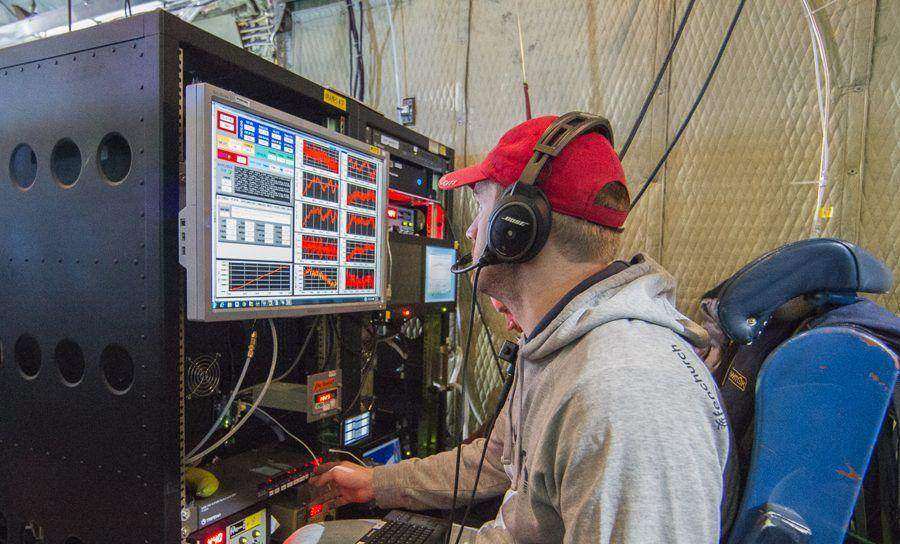
图片来源:图片来源:NASA/Jack Pfaller / Wikimedia Commons (Public domain)