菲律宾央行行长曼谷警告:亚洲须铭记1990年代危机教训,防范冲击重演
菲律宾中央银行行长埃利·雷莫洛纳(Eli Remolona)10月14日在曼谷出席国际货币基金组织(IMF)一场关于东盟经济展望的讨论时表示,亚洲国家应当提醒自己上世纪90年代末金融危机期间发生过什么,并防范类似冲击再次发生。
雷莫洛纳说,在1997年亚洲金融危机爆发之前,区域经济体出现巨额资本流入,世界银行当时称之为"东亚奇迹"。他表示:"投资涌入亚洲,然后危机就来了,因为那并不是真正的奇迹。我认为我们必须提醒自己这一点,必须防范那种危机。"他还说,各国在审视这类危机方面"确实还没有作出很多努力"。
这番话出自IMF与世界银行在曼谷举行的年会。曼谷正是当年亚洲金融危机的震中之一。IMF亚太部主任克里希纳·斯里尼瓦桑(Krishna Srinivasan)在同一场讨论中回应称,IMF在评估各经济体的金融脆弱性与潜在溢出效应方面已取得进展,并已建立处理资本流动波动的框架,包括各国应在何时干预外汇市场等问题。斯里尼瓦桑还表示,东盟经济体较好地经受住了美国关税引发的贸易紧张局势,但部分国家高度依赖石油和天然气进口,能源密集度可能成为展望中的风险之一。日本财务省负责国际事务的副大臣三村淳(Atsushi Mimura)则指出,中东冲突带来的能源冲击以及通胀上升是该地区面临的短期风险。他表示,为缓冲能源冲击对家庭和企业的打击,各国财政支持应当做到"有针对性、量身定制、临时性"。他还说,面对来自中国的竞争压力,东盟国家应进一步加强投资,推动关键矿产和能源供应链多元化,并跟上人工智能与创新的步伐,日本愿意为此提供支持。
东盟共有11个成员国,包括文莱、柬埔寨、东帝汶、印度尼西亚、老挝、马来西亚、缅甸、菲律宾、新加坡、泰国和越南。
Philippine Central Bank Chief Warns Asia to Guard Against a Repeat of the 1990s Financial Crisis
Asian countries must remind themselves of what happened during the region's financial crisis in the late 1990s and guard against a recurrence of such shocks, Philippine central bank Governor Eli Remolona said on Wednesday at an IMF panel on the outlook for the Association of Southeast Asian Nations (ASEAN) in Bangkok.
Remolona noted that before the Asian financial crisis began in 1997, regional economies saw huge capital inflows that prompted the World Bank to describe the boom as the "East Asian miracle." "Investment poured into Asia, and then you had the crisis because it wasn't really a miracle. I think we have to remind ourselves about that. We have to guard against that kind of crisis," he said, adding that countries have "not really been making a lot of effort looking at that kind of crisis."
The remarks came at the annual meetings of the IMF and World Bank in Bangkok, Thailand, an epicentre of the Asian financial crisis. Krishna Srinivasan, director of the IMF's Asia and Pacific Department, pushed back against the view, arguing that the IMF has made progress in assessing financial vulnerabilities and potential spillovers, and has developed a framework for how countries should deal with volatile capital flows, including when they should intervene in foreign exchange markets. Srinivasan also said ASEAN economies have weathered the trade tensions caused by US tariffs fairly well, though their energy intensity could be among the risks to the outlook, as some countries rely heavily on oil and gas imports.
Atsushi Mimura, Japan's vice finance minister for international affairs, cited the energy shock from the Middle East conflict and rising inflation as short-term risks to the region's outlook. He said fiscal support to cushion the blow to households and firms from the energy shock should be "triple T" — targeted, tailored and temporary. He added that ASEAN countries should focus on further strengthening investment to diversify supply chains in critical minerals and energy, a drive Japan was willing to support, and that all ASEAN countries should further invest to catch up with AI and innovation. The 11-member ASEAN bloc comprises Brunei, Cambodia, East Timor, Indonesia, Laos, Malaysia, Myanmar, the Philippines, Singapore, Thailand and Vietnam.
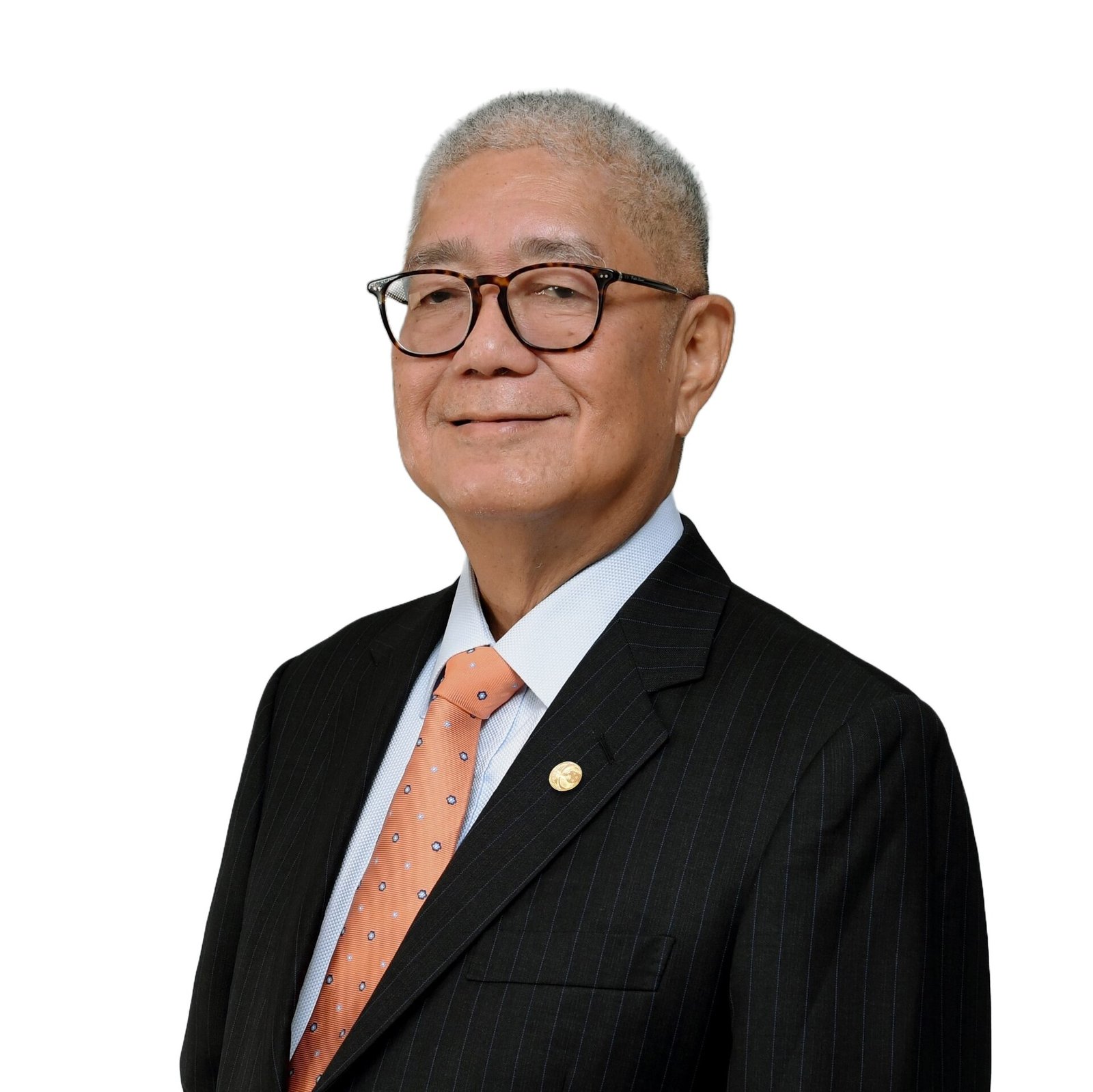
图片来源:图:菲律宾央行行长埃利·雷莫洛纳官方肖像。摄影:Bangko Sentral ng Pilipinas,公有领域,来源:Wikimedia Commons