IMF官员在曼谷年会警告“金融压抑”风险:各国须以改革与可信财政计划守住市场信心
曼谷——正在曼谷出席国际货币基金组织(IMF)与世界银行年会的IMF官员10月13日星期一发出警告:如果各国政府不采取促进增长的改革、不拿出可信的增收与支出计划,世界可能滑向又一波“金融压抑”——即政府通过压低利率、管制资本流动等方式,人为降低自身借贷成本,把成本转嫁给储蓄者与投资者。
这一警告的大背景,是许多经济体在高债务与高利率并存的时代里寻找出路:与其加税或削减开支,一些政府被诱惑去“压抑”金融体系——迫使银行与养老金持有低收益国债、用通胀稀释债务。IMF官员在年会讨论中指出,这类做法短期内能缓解财政压力,长期却扭曲资本配置、侵蚀储户回报,并最终抬高整个经济的风险溢价。
对东道主泰国和与会的发展中经济体而言,这个话题并不遥远:洪灾善后、基建投资与社会保障都在等钱,财政空间有限。IMF给出的药方是结构性的——以促增长改革扩大税基,以可信的中期财政计划稳定市场预期,而不是向金融体系转嫁成本。会场内,泰国正向各国投资者推介其AI、电动车与清洁能源的项目清单,财政可信度正是投资者评估清单的第一项。
年会将于10月18日闭幕,本周还将发布IMF的全球经济展望与金融稳定评估。金融压抑的讨论与AI对就业的冲击(见10月12日开幕报道),是这届曼谷年会留给全球政策界的两道思考题。
来源:据《曼谷邮报》2026年10月13日关于IMF官员在年会发言的报道整理。
IMF Officials Warn in Bangkok of a 'Financial Repression' Turn: Growth Reforms and Credible Fiscal Plans Are the Defence
BANGKOK — Officials of the International Monetary Fund (IMF), speaking at the IMF–World Bank Annual Meetings in Bangkok on Monday, October 13, warned that unless governments adopt pro-growth reforms and present credible revenue and spending plans, the world could slide into another wave of 'financial repression' — governments artificially lowering their own borrowing costs by suppressing interest rates and controlling capital flows, shifting the cost onto savers and investors.
The warning sits in a wider debate: with many economies carrying high debt into a high-rate era, some governments are tempted to 'repress' the financial system — obliging banks and pension funds to hold low-yielding government bonds and letting inflation dilute the debt — rather than raise taxes or cut spending. IMF officials told the meetings that such measures may ease fiscal pressure in the short run but distort capital allocation, erode savers' returns and ultimately raise risk premia across the economy.
For host Thailand and the developing economies in attendance, the topic is close to home: flood recovery, infrastructure and social protection all need funding, and fiscal space is limited. The IMF's prescription is structural — widen the tax base through growth reforms and stabilise market expectations with credible medium-term fiscal plans, instead of shifting costs onto the financial system. Inside the venue, Thailand is pitching its AI, electric-vehicle and clean-energy project list to investors, and fiscal credibility is the first item investors use to judge that list.
The meetings close on October 18; the IMF's global outlook and financial stability assessments are due this week. The financial-repression debate, alongside the AI-and-jobs discussion at the opening (see the October 12 report), are the two questions this Bangkok edition leaves with the world's policy community.
Source: Compiled from the Bangkok Post's October 13, 2026 report on IMF officials' remarks at the meetings.
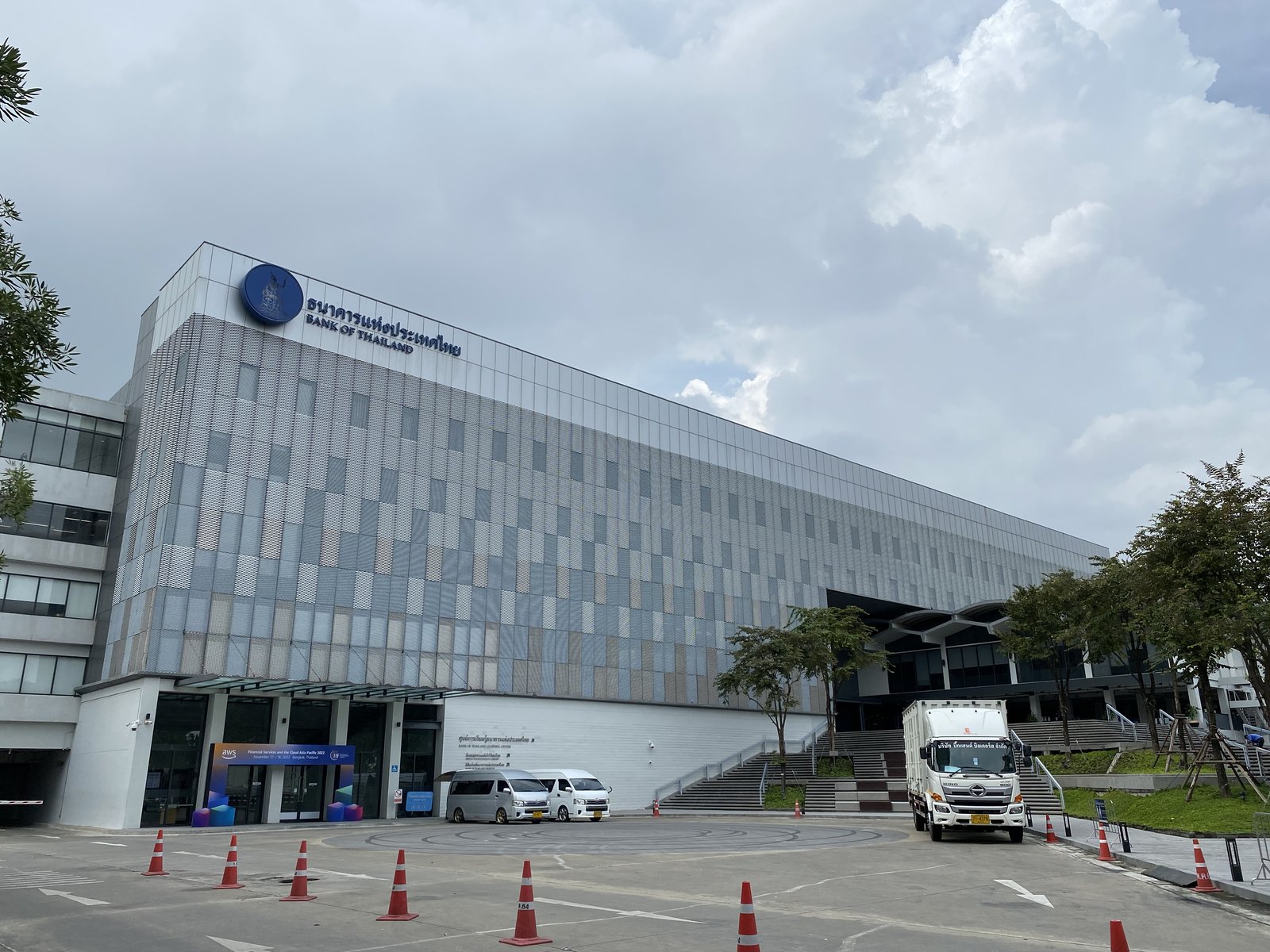
图片来源:图:泰国银行(中央银行)学习中心大楼,位于曼谷总部园区。摄影:Reversemos.sapanaht,CC BY 4.0,来源:Wikimedia Commons