日本内阁通过三项能源安全法案 补贴绕开霍尔木兹的原油运输高成本
日本内阁10月13日通过三项加强能源供应安全的法案,经济产业大臣赤泽亮正在记者会上介绍了法案内容。政府计划在本届国会临时会期内把法案提交国会审议,路透社当日报道了这一决定。
三项法案的核心是为绕开霍尔木兹海峡等咽喉水道、改走替代路线进口原油与燃料的企业提供运输成本补偿,资金由炼油商、贸易商与石化企业等广泛进口方共同出资。配套法案还允许政府在外国再保险方因地缘紧张无法承保时,为油轮与LNG船分担保险赔付,并修订JOGMEC相关法律,允许这家国营机构投资保障替代供应路线所需的基础设施,包括管道。
数字背景解释了法案的分量:2025年日本原油进口的94%来自中东,其中93%经霍尔木兹海峡运输。一旦海峡受阻,替代路线的运费与保费跳升将直接传导到日本国内能源价格。
日本政府8月已公布加强能源供应韧性的综合计划,立法步骤原定年底前敲定,此次内阁通过意味着时间表提前。对在日华人家庭与企业,法案若获国会通过,油价与电价的极端波动风险将多一层制度缓冲;能源安全也由此成为高市内阁本届国会的主攻议题之一。
Japan's Cabinet Backs Three Energy Security Bills to Offset Hormuz-Bypassing Oil Transport Costs
Japan's cabinet approved three bills on October 13 to strengthen energy supply security, including measures to offset the higher costs of importing crude oil through routes that bypass the Strait of Hormuz, Industry Minister Ryosei Akazawa told a press conference, according to Reuters. The government plans to submit the bills to parliament during the current extraordinary Diet session.
The procurement diversification bill would create a grant programme to compensate importers for higher transportation costs when sourcing crude oil and fuels via alternative routes that avoid chokepoints such as Hormuz, funded by contributions from a broad range of importers including refiners, traders and petrochemical manufacturers. A second bill would let the government cover part of insurance payouts for oil tankers and LNG vessels if foreign reinsurers cannot provide coverage amid heightened geopolitical tensions.
Amendments to the law governing JOGMEC, the state-backed energy agency, would allow it to invest in infrastructure needed to secure alternative supply routes, including pipelines. The scale of dependence explains the urgency: Japan sourced 94 percent of its crude oil imports from the Middle East in 2025, with 93 percent of those shipments passing through the Strait of Hormuz.
Japan unveiled a comprehensive plan in August to strengthen energy supply resilience, with legislative steps expected by year-end; cabinet approval moves that timetable forward. If passed by the Diet, the bills would add an institutional buffer against extreme fuel and power price swings.
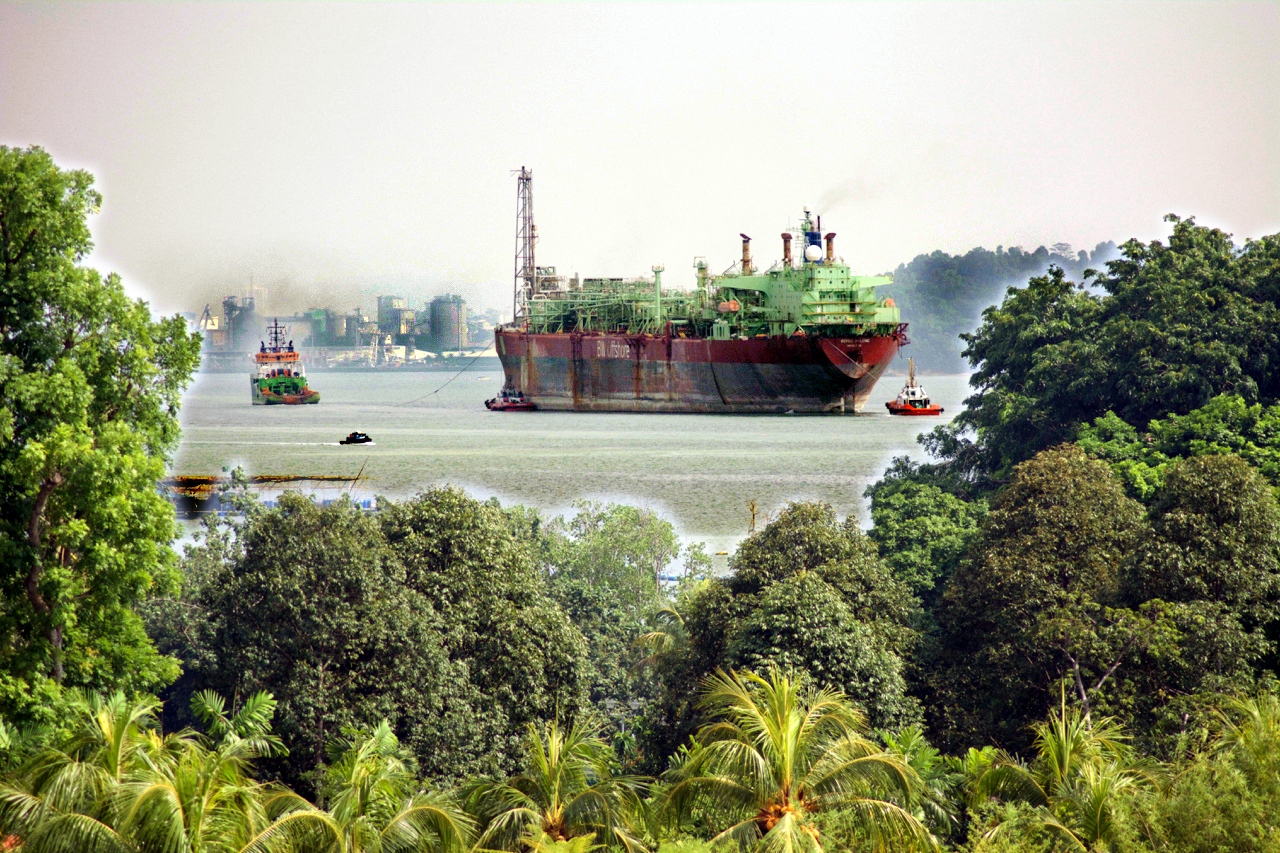
图片来源:海上原油油轮实景,摄影:Thomas Tim,CC0,来源:Wikimedia Commons(File:DSC 0288 BERGE HELENE (28938960327).jpg)