重阳节10月18日到:九九重阳的来历、习俗与各地过法
农历九月初九是重阳节,又称重九节、登高节、菊花节。今年的重阳节在公历10月18日,星期日。这一天,汉字文化圈各地以及世界各地的华人社区,都会按各自的传统过节:登高、赏菊、拜山祭祖、向长者致意。
“重阳”之名,源于古代的阴阳观念。《易经》中,九为阳数,九月初九日月皆逢九,两阳相重,故称“重阳”,也称“重九”。“重阳”一词最早见于三国时期,曹丕在《九日与钟繇书》中写到九月九日“九为阳数,而日月并应”,时人看重这个日子,设宴高会。九又与“久”同音,九九重阳由此带有长久、长寿的寓意。
汉代的宫廷里已有九月九日的节俗记载。《西京杂记》记载,戚夫人的侍女贾佩兰离开宫廷后谈起宫中旧事,说宫中每逢九月九日,佩茱萸、食蓬饵、饮菊花酒,并说这样做令人长寿。这些习俗后来由宫廷传到民间,流传至今。
登高习俗的来历,民间流传着一个传说。南朝梁人吴均所著《续齐谐记》记载:汝南人桓景跟随费长房游学多年,费长房告诉他,九月九日他家会有灾厄,要让家人用红布袋装上茱萸系在手臂上,登高饮菊花酒,灾祸才可消除。桓景照此带着全家登山,傍晚回家时,看见家中鸡犬牛羊全都暴死。这则传说流传开来,后世遂有九日登高、佩茱萸、饮菊酒的风俗。
唐代,重阳成为正式节日,唐德宗在位时将其列为“三令节”之一,王公与民间都在这一天登高宴饮。唐代诗人王维写下《九月九日忆山东兄弟》,开篇即是“独在异乡为异客,每逢佳节倍思亲”,遥想兄弟们登高插茱萸时少了自己一人。这首诗流传一千多年,也让重阳成为寄托思乡之情的节日。
传承至今的重阳习俗主要有以下几项。登高:秋日天高气清,人们登山或登塔远望,古时称为“辞青”,与春日踏青相对。赏菊与饮菊花酒:九月正是菊花盛放的时节,各地有菊花展览;菊花酒的传统酿法是采下初开的菊花和青茎叶拌入黍米酿制,封存到来年重阳开坛饮用。佩茱萸:茱萸香气浓烈,古人把它装进绛囊佩戴在手臂或插在发间,视为可以辟邪的植物。吃重阳糕:“糕”与“高”同音,民间取步步登高的寓意,讲究的重阳糕做成九层宝塔状,插上小彩旗。放纸鸢:南方一些地方有重阳放风筝的习俗。祭祖拜山:许多地方在重阳扫墓祭祖,在不少地方,重阳是祭祖的时节之一。
重阳与敬老的联系,在近几十年被正式确立。1989年,中国政府将农历九月初九定为“老人节”。2006年,重阳节被列入首批国家级非物质文化遗产名录。2012年修订的《中华人民共和国老年人权益保障法》第十二条规定,每年农历九月初九为老年节;修订后的法律自2013年7月1日起施行。
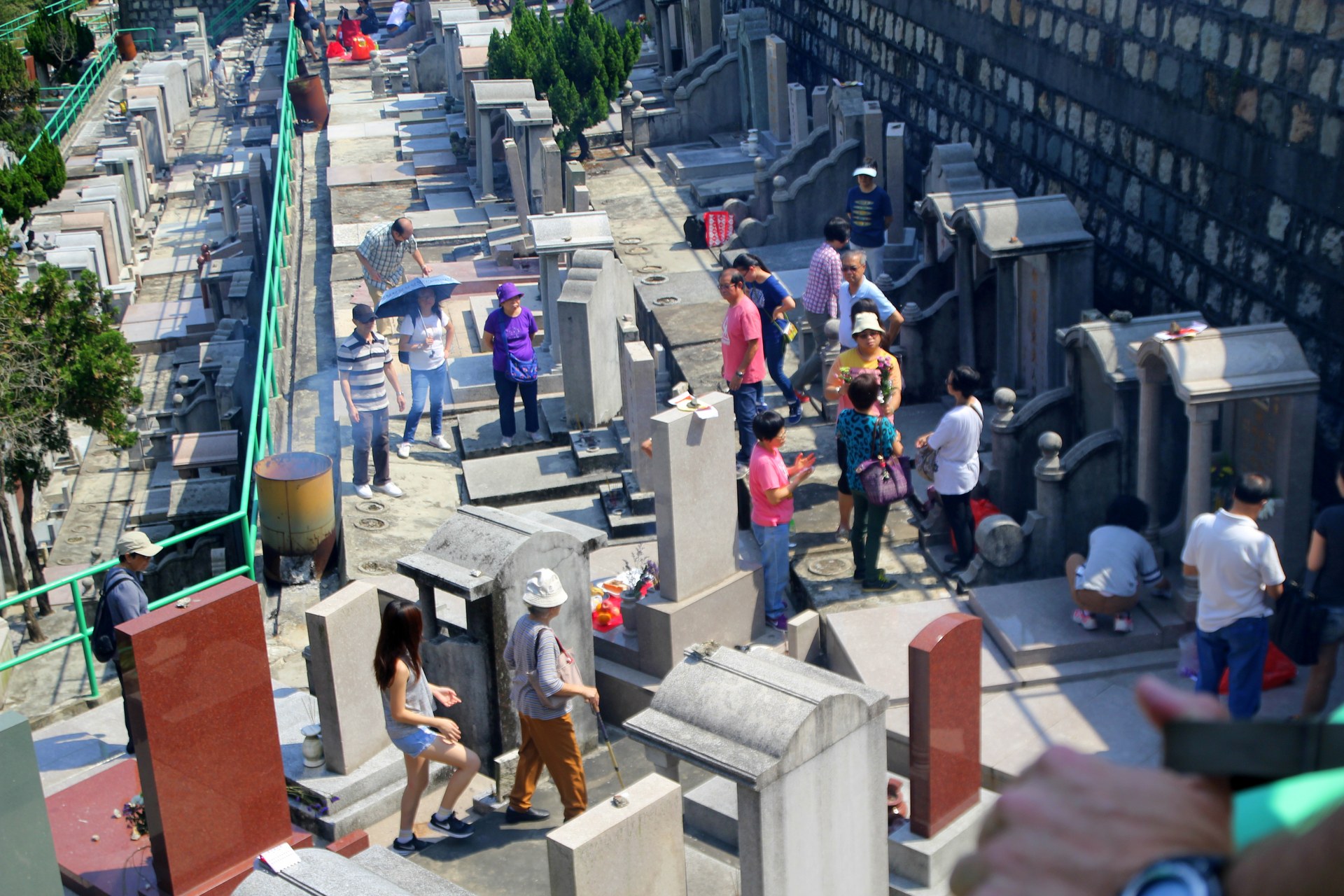
各地过重阳的方式各有不同。在香港,重阳节是公众假期,2026年的重阳节适逢星期日,翌日10月19日(星期一)定为补假。香港市民在重阳节前后登高郊游,也前往坟场和灵灰安置所拜祭先人;食环署每年就重阳节期间灵灰安置所的交通和化宝炉使用作出特别安排,消防处历年在清明、重阳期间推行防止山火宣传。在台湾,1966年重阳被定为老人节,各县市政府按例在重阳节前后向长者发放重阳敬老礼金,发放对象和金额由各县市订定。在中国大陆,各地在重阳前后举办敬老活动、登高活动和菊花展览,社区和机构向长者送上节日问候。在海外,各地华人社团历年有举办敬老宴会、组织长者登高出游等活动的传统,侨胞在异乡延续这一节日的过法。
Double Ninth Festival on October 18: The Origins, Customs and Observances of Chongyang
The ninth day of the ninth month in the Chinese lunar calendar is the Double Ninth Festival, known in Chinese as Chongyang, and also as the Double Nine Festival, the Height-Ascending Festival and the Chrysanthemum Festival. This year it falls on Sunday, October 18. On this day, communities across the Chinese-speaking world and Chinese communities overseas mark the festival in their own ways: climbing heights, appreciating chrysanthemums, visiting ancestral graves and paying respects to elders.
The name Chongyang, literally "double yang," comes from ancient yin-yang thought. In the I Ching, nine is a yang number; on the ninth day of the ninth month, both the month and the day are nine, so two yang numbers coincide — hence "double yang." The word Chongyang first appeared in the Three Kingdoms period: Cao Pi wrote in a letter that on the ninth day of the ninth month, "nine is a yang number, and the sun and moon correspond," and people of the time valued the day and held banquets. Nine is also a homophone of the word for "long-lasting," so the doubled nine carries wishes for longevity.
Customs for the day were already recorded in the Han dynasty imperial palace. The Miscellaneous Records of the Western Capital (Xijing Zaji) recounts that Jia Peilan, a former maid of Consort Qi, told of palace practice after leaving court: on the ninth day of the ninth month, people in the palace wore zhuyu (dogwood), ate peng'er cakes and drank chrysanthemum wine, which was said to promote longevity. These customs later spread from the palace to the wider public and have been handed down to this day.
A well-known legend is attached to the custom of climbing heights. The Xu Qixie Ji, written by Wu Jun of the Liang dynasty in the Southern Dynasties period, records that Huan Jing of Runan studied for years under Fei Changfang, who warned him that a calamity would strike his household on the ninth day of the ninth month, and that his family should tie red cloth pouches filled with zhuyu to their arms, climb a mountain and drink chrysanthemum wine to avert it. Huan did as he was told and took his family up a mountain; returning at dusk, they found their chickens, dogs, cattle and sheep all dead. As the legend spread, climbing heights, wearing zhuyu and drinking chrysanthemum wine on the ninth day became established customs.
In the Tang dynasty, Chongyang became an official festival — Emperor Dezong listed it among the "three seasonal festivals" — and officials and commoners alike climbed heights and feasted on the day. The Tang poet Wang Wei wrote "Thinking of My Brothers in Shandong on the Ninth Day of the Ninth Month". It opens with the line, "Alone in a foreign land, I am twice as homesick on a festival day," and imagines his brothers climbing with zhuyu in their hair, missing one person — himself. The poem has been read for more than a thousand years and made Chongyang a festival bound up with homesickness.
The main customs that survive today are as follows. Climbing heights: in the clear autumn weather, people climb mountains or towers to look into the distance, a practice once called "bidding farewell to the green," the counterpart of spring outings. Appreciating chrysanthemums and drinking chrysanthemum wine: the ninth month is when chrysanthemums are in full bloom, and chrysanthemum exhibitions are held in many places; traditionally, chrysanthemum wine was brewed by mixing newly opened chrysanthemum flowers, stems and leaves with millet, then sealed and stored until the following Chongyang. Wearing zhuyu: the strongly scented zhuyu plant was placed in red pouches worn on the arm or tucked into the hair, and was regarded in ancient times as a plant that warded off evil. Eating Chongyang cake: "cake" (gao) is a homophone of "high," and the cake carries the meaning of rising step by step; elaborate versions were made in nine layers like a pagoda and decorated with small coloured flags. Flying kites: some places in the south have a tradition of kite-flying at Chongyang. Ancestor worship: in many places families sweep graves and honour ancestors at Chongyang; in many places Chongyang is one of the seasons for ancestral rites.
Chongyang's link with respect for the elderly was formally established in recent decades. In 1989, the Chinese government designated the ninth day of the ninth lunar month as Seniors' Day. In 2006, the festival was entered in the first national list of intangible cultural heritage. Article 12 of the Law on Protection of the Rights and Interests of the Elderly, as revised in 2012, provides that the ninth day of the ninth lunar month each year is Seniors' Day; the revised law took effect on July 1, 2013.
The festival is observed differently from place to place. In Hong Kong, Chung Yeung is a public holiday; as it falls on a Sunday in 2026, the following day, Monday, October 19, is designated a compensatory holiday. Hong Kong residents go hiking around the festival and visit cemeteries and columbaria to pay respects to ancestors; the Food and Environmental Hygiene Department makes special traffic and joss-paper furnace arrangements at columbaria for the period each year, and the Fire Services Department has long run hill-fire prevention publicity during the Ching Ming and Chung Yeung periods. In Taiwan, Chongyang was rededicated as Senior Citizens' Day in 1966, and county and city governments customarily distribute Double Ninth cash gifts to seniors around the festival, with eligibility and amounts set by each locality. In mainland China, localities hold activities honouring seniors, group climbs and chrysanthemum exhibitions around the festival, and communities and institutions extend festival greetings to older residents. Overseas, Chinese community associations have a long-standing tradition of holding banquets for seniors and organising outings and climbs for older members at Chongyang, keeping the festival's observances alive far from home.
图片来源:重阳节期间,市民在香港柴湾坟场拜祭先人。摄影:Sgerbic,CC BY-SA 4.0,来源:Wikimedia Commons