跟进:苹果「Welcome home」实际发布——首款带屏中枢HomeView 299美元登场,HomePod mini 2与新款Apple TV 4K同步亮相,Siri AI成全线主角
库比蒂诺/纽约——苹果10月13日(周二)以新闻稿加纽约线下体验活动的形式,正式发布其筹备多年的智能家居产品线。GSM 10月11日的预告稿曾介绍这场名为「Welcome home」的活动与外界预期;本稿的新进展是三款产品的实际规格、定价与上市日期全部落定,且最终阵容与此前传闻大体吻合、细节多有出入——正式名称确认为HomeView,而非传闻中的「HomePad」。
主角是苹果首款带屏智能家居中枢HomeView。它搭载A18芯片与Siri AI,有桌面版(配金属扬声器底座)与壁挂版两种形态,美国售价均为299美元,10月13日起在美、英、加、澳、印度、新西兰开放预订,11月13日上市;因Siri AI目前在欧盟iOS上不可用,HomeView首发不进入欧盟市场。界面是这款设备的核心:它能识别最多六位家庭成员并为每人呈现个性化主屏幕,内容随人走近自动放大、远离则简化;表盘式界面包括照片、家居控制快捷面板与可同屏显示最多九路画面的摄像头面板,还支持FaceTime与Center Stage视频通话、把网页食谱转成手分步烹饪指引、用Intercom向全屋广播。隐私架构上,摄像头与麦克风处理被隔离在芯片的安全区内,Siri请求可在设备端或经Private Cloud Compute处理。壁挂版的专用支架由施耐德电气(Schneider Home)另售,59.95美元起。第二款是时隔六年的HomePod mini 2,美国售价149美元,10月13日开启预订、10月30日上市,共粉、绿、蓝、白、午夜色五色。它换装S10芯片,顶部新增名为Sound Glow的光效(随音乐律动并匹配专辑封面色彩),可识别最多六位家庭成员的声音;与新款Apple TV 4K搭配时,四台HomePod mini 2可组成环绕声家庭影院——苹果称这是其迄今最沉浸的客厅方案。需要留意的是,其最大卖点Siri AI并不随硬件首发,而是要等后续软件更新(英文版先行)。
第三款是第四代Apple TV 4K,美国售价299美元——为历代最贵,且只保留一个配置:A19芯片、128GB存储、Wi-Fi 7与千兆以太网口。升级点集中在「找东西」:机身内置三颗远场麦克风,可免遥控直接对Siri说话;新款Siri Remote遥控器支持「查找」App的精确查找并能发声,再也不怕遥控器掉进沙发缝。Siri AI在tvOS上以beta形式随上市提供,可用自然语言点播内容。它10月13日开启预订、11月13日上市。
与硬件同日亮相的还有「Apple Home Collection」配件系列:苹果与LG电子、施耐德电气合作推出智能门铃、门锁、温控器、传感器与室内外摄像头等产品,12月起陆续上市、部分延至2027年初,起价39.95美元。这意味着苹果的智能家居打法从「卖中枢」扩展到「定生态」:中枢、音箱、电视盒与第三方配件共用Siri AI一套入口。
Apple's "Welcome Home" Lineup Is Official: $299 HomeView Smart Display Debuts Alongside HomePod mini 2 and a New Apple TV 4K, All Built Around Siri AI
Cupertino/New York — Apple on Tuesday, October 13 formally unveiled its long-prepared smart-home product line through a press release combined with an in-person experience event in New York. GSM's October 11 preview covered the event, named 'Welcome home,' and outside expectations; the new developments in this report are that the actual specifications, pricing and launch dates of all three products are now set, and that the final lineup broadly matches earlier rumors while differing in many details — the official name is confirmed as HomeView, not the rumored 'HomePad.'
The headliner is HomeView, Apple's first smart-home hub with a screen. It carries the A18 chip and Siri AI, comes in a desktop version (with a metal speaker base) and a wall-mounted version, both priced at $299 in the U.S.; preorders opened October 13 in the U.S., U.K., Canada, Australia, India and New Zealand, with launch on November 13. Because Siri AI is currently unavailable on iOS in the EU, HomeView will not enter the EU market at launch. The interface is the core of the device: it can recognize up to six household members and present each with a personalized home screen, with content automatically enlarging as a person approaches and simplifying as they move away; clock-style faces include photos, home-control shortcut panels and a camera panel that can show up to nine feeds on one screen; it also supports FaceTime and Center Stage video calls, turns web recipes into step-by-step cooking guidance, and broadcasts to the whole home via Intercom. On privacy architecture, camera and microphone processing is isolated in a secure zone on the chip, and Siri requests can be processed on device or via Private Cloud Compute. The dedicated mount for the wall version, made by Schneider Electric (Schneider Home), is sold separately starting at $59.95.
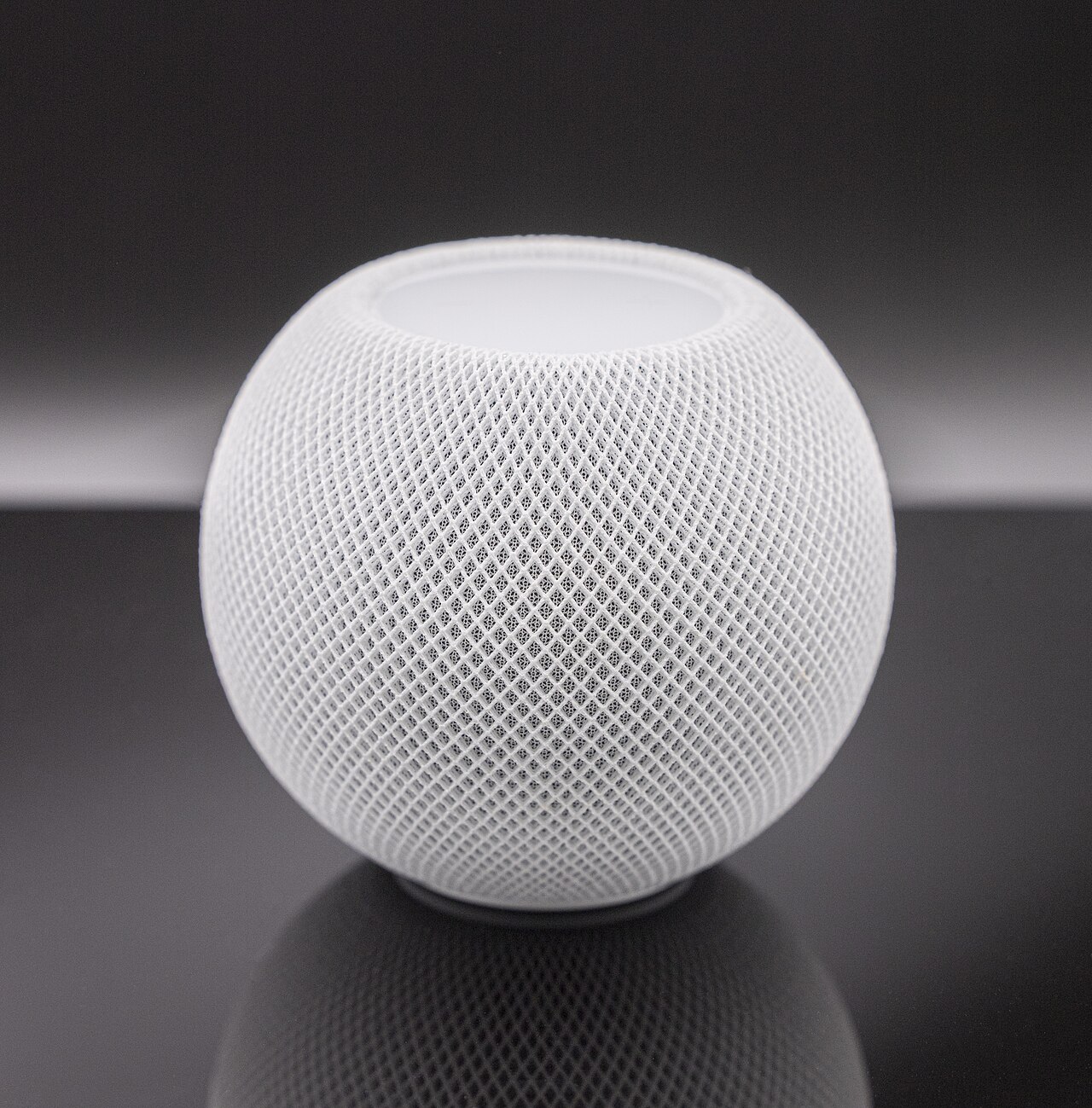
The second product is the HomePod mini 2, arriving after six years, priced at $149 in the U.S., with preorders from October 13 and availability on October 30, in five colors — pink, green, blue, white and midnight. It moves to the S10 chip, adds a new top light effect called Sound Glow that moves with the music and matches album-cover colors, and can recognize the voices of up to six household members; paired with the new Apple TV 4K, four HomePod mini 2 units can form a surround-sound home theater — Apple's most immersive living-room setup to date, the company says. Worth noting: its biggest selling point, Siri AI, does not ship with the hardware, but will arrive in a later software update, English first.
The third product is the fourth-generation Apple TV 4K, priced at $299 in the U.S. — the most expensive ever, and kept to a single configuration: A19 chip, 128GB of storage, Wi-Fi 7 and a gigabit Ethernet port. The upgrades center on 'finding things': three far-field microphones are built into the box, so Siri can be spoken to directly without the remote; the new Siri Remote supports precision finding in the Find My app and can play a sound, so it will no longer vanish into sofa cushions. Siri AI is provided on tvOS in beta form at launch and can take content requests in natural language. Preorders opened October 13, with launch on November 13.
Launched alongside the hardware was the 'Apple Home Collection' accessory line: Apple is working with LG Electronics and Schneider Electric on smart doorbells, locks, thermostats, sensors and indoor and outdoor cameras, arriving in stages from December, some delayed to early 2027, starting at $39.95. Apple's smart-home play is thus expanding from 'selling a hub' to 'defining the ecosystem': hub, speakers, TV box and third-party accessories sharing a single Siri AI entry point.
图片来源:苹果 HomePod mini。Arne Müseler 摄,CC BY-SA 3.0,维基共享资源