威斯康星州长埃弗斯连续第八年庆祝原住民日:发布视频致辞,重申尊重部落主权承诺
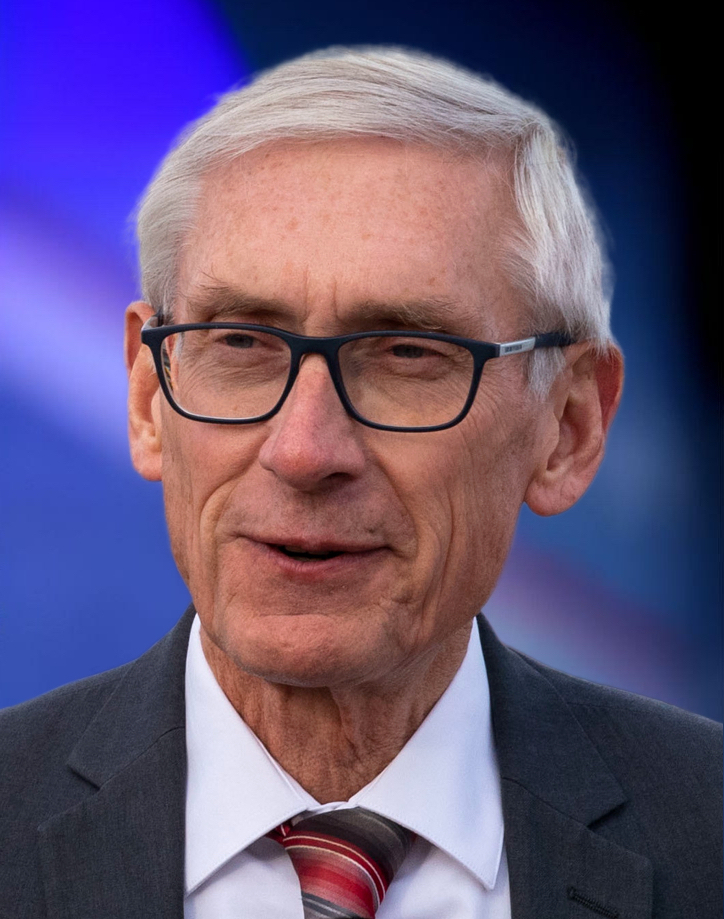
麦迪逊——威斯康星州州长托尼·埃弗斯(Tony Evers)10月12日发布视频致辞,庆祝该州第八个原住民日(Indigenous Peoples' Day),向威斯康星州的原住民部落民族致敬,并重申州政府尊重部落主权、加强政府间关系的承诺。
埃弗斯在致辞中表示,自上任第一天起,本届政府致力于尊重部落主权、加强政府间关系、履行条约权利。他说,过去七年多来,州政府一直与威斯康星州的原住民部落民族密切合作,威斯康星是12个骄傲的原住民民族的家园。
2019年,埃弗斯在上任第一年签署第50号行政令(Executive Order #50),将每年10月第二个星期一定为威斯康星州原住民日。今年是该州连续第八年正式庆祝这一节日。
2021年,埃弗斯签署第136号行政令,就威斯康星州在印第安寄宿学校历史中的角色发表正式承认与道歉,并宣布支持美国内政部的联邦印第安寄宿学校倡议。
部落语言保护是本届政府的重点工作之一。2021年启动的威斯康星州交通厅(WisDOT)双语路牌计划,在部落土地上安装英文与原住民语言双语路牌。Stockbridge-Munsee部落成为第11个、也是最后一个参与该计划的联邦承认部落,标志着该计划已覆盖全州所有联邦承认部落。
2025年原住民日,埃弗斯签署第277号行政令,进一步推进部落条约权利与生态管理:指示内阁各部门与部落政府合作,加强部落条约权利的公众教育;要求州自然资源厅(DNR)在州立公园标识中纳入原住民语言;成立野生稻管理委员会(Wild Rice Stewardship Council),保护具有重要文化意义的野生稻(manoomin);并将每年9月第一周定为“野生稻周”(Wild Rice Week)。上个月,该州已举办首届野生稻周。
在2025-2027双年预算中,州政府对部落社区投入显著:11个联邦承认部落每年各获100万美元,用于支持部落项目与语言复兴;部落长者食品箱计划获300万美元拨款;部落高成本寄养安置获200万美元;Oneida Nation政府间培训获12万美元;美国印第安语复兴州拨款44.56万美元;部落总部所在县各获400万美元拨款。此外,州政府还投入数百万美元,用于部落社区的医疗、托儿、教育、基础设施和可负担住房,以及部落土地清洁能源项目和部落粮食主权、长者食品保障工作。
威斯康星州是12个原住民部落民族的家园,包括Bad River Band of Lake Superior Chippewa、Forest County Potawatomi、Ho-Chunk Nation、Lac Courte Oreilles Band of Lake Superior Chippewa Indians、Lac du Flambeau Band of Lake Superior Chippewa、Menominee Indian Tribe of Wisconsin、Oneida Nation、Red Cliff Band of Lake Superior Chippewa、Sokaogon Chippewa Community、St. Croix Chippewa Indians of Wisconsin、Stockbridge-Munsee Community Band of Mohican Indians和Brothertown Indian Nation。
资料来源:威斯康星州州长办公室新闻稿(2026年10月12日),https://content.govdelivery.com/accounts/WIGOV/bulletins/3f68d8f
Gov. Evers Celebrates Indigenous Peoples' Day in Wisconsin for Eighth Year in a Row, Releases Video Message Reaffirming Tribal Sovereignty
MADISON — Wisconsin Gov. Tony Evers on Oct. 12 released a video message celebrating the state's eighth annual Indigenous Peoples' Day, honoring the Native Nations of Wisconsin and reaffirming the state's commitment to respecting Tribal sovereignty and strengthening government-to-government relationships.
In the message, Evers said that since Day One, his administration has been committed to respecting Tribal sovereignty, strengthening government-to-government relationships, and honoring Treaty Rights. He noted more than seven years of close partnership with Wisconsin's Native Nations, calling Wisconsin home to 12 proud Native Nations.
In 2019, during his first year in office, Evers signed Executive Order #50, designating the second Monday in October as Indigenous Peoples' Day in Wisconsin. This year marks the eighth consecutive year the state has formally celebrated the day.
In 2021, Evers signed Executive Order #136, issuing a formal acknowledgment and apology for Wisconsin's historical role in Indian boarding schools, and declaring support for the U.S. Department of the Interior's Federal Indian Boarding School Initiative.
Tribal language preservation has been a priority. The Wisconsin Department of Transportation's dual-language sign program, launched in 2021, installs road signs on Tribal lands in both English and Indigenous languages. The Stockbridge-Munsee Community became the 11th and final federally recognized Tribe in Wisconsin to install the signs, bringing the program to all federally recognized Tribes in the state.
On Indigenous Peoples' Day 2025, Evers signed Executive Order #277 to advance Tribal Treaty Rights and stewardship: directing cabinet agencies to work with Tribal governments to increase public awareness and education of Tribal Treaty Rights; directing the Department of Natural Resources to incorporate Indigenous languages on signage at state parks; creating a Wild Rice Stewardship Council to protect wild rice (manoomin), a culturally significant crop; and designating the first week of September as "Wild Rice Week." The state held its first Wild Rice Week last month.
The 2025-27 biennial budget includes major investments in Tribal communities: $1 million per year for each of the 11 federally recognized Tribes to support Tribal programs and language revitalization; $3 million for the Tribal Elder Food Box Program; $2 million for Tribal high-cost foster care placements; $120,000 for Oneida Nation intergovernmental training; $445,600 in state grants for American Indian language revitalization; and $4 million each for counties where Tribal headquarters are located. Additional millions support healthcare, childcare, education, infrastructure, affordable housing, clean energy projects on Tribal lands, and Tribal food sovereignty and elder food security efforts.
Wisconsin is home to 12 Native Nations: the Bad River Band of Lake Superior Chippewa, Forest County Potawatomi, Ho-Chunk Nation, Lac Courte Oreilles Band of Lake Superior Chippewa Indians, Lac du Flambeau Band of Lake Superior Chippewa, Menominee Indian Tribe of Wisconsin, Oneida Nation, Red Cliff Band of Lake Superior Chippewa, Sokaogon Chippewa Community, St. Croix Chippewa Indians of Wisconsin, Stockbridge-Munsee Community Band of Mohican Indians, and Brothertown Indian Nation.
Source: Office of Wisconsin Gov. Tony Evers press release, Oct. 12, 2026, https://content.govdelivery.com/accounts/WIGOV/bulletins/3f68d8f
图片来源:Wikimedia Commons · 威斯康星州州长托尼·埃弗斯肖像,CC BY-SA 4.0(作者 SecretName101)