韩国会岩寺遗址申遗获关键进展:ICOMOS 认可其世遗潜力
韩国京畿道 Yangju 市 10 月 12 日宣布,该市会岩寺遗址申报联合国教科文组织(UNESCO)世界遗产取得关键进展:UNESCO 官方咨询机构——国际古迹遗址理事会(ICOMOS)已给出总体评估,认为该遗址很有可能满足世界遗产标准 (ii) 和 (iii)。
据《首尔经济日报》英文版 10 月 12 日报道,Yangju 市当天表示,市政府此前以会岩寺遗址:14 世纪东亚禅宗寺院代表性考古遗址为题,向 UNESCO 世界遗产中心提交了预评估申请。预评估是 UNESCO 为提高申遗成功率引入的程序,要求从申遗准备早期就与国际咨询机构磋商,对突出普遍价值、完整性和真实性进行严格核验。Yangju 市说,长达约一年的文献审查肯定了该遗址作为世界遗产的价值。
在评估中,ICOMOS 认为会岩寺遗址可能符合标准 (ii)——见证建筑、技术与艺术文化的交流,以及标准 (iii)——见证独特的文化传统或文明。ICOMOS 同时提出改进建议,包括扩大遗产边界、把周边景观纳入保护范围,并进一步细化对申遗标准的阐释。
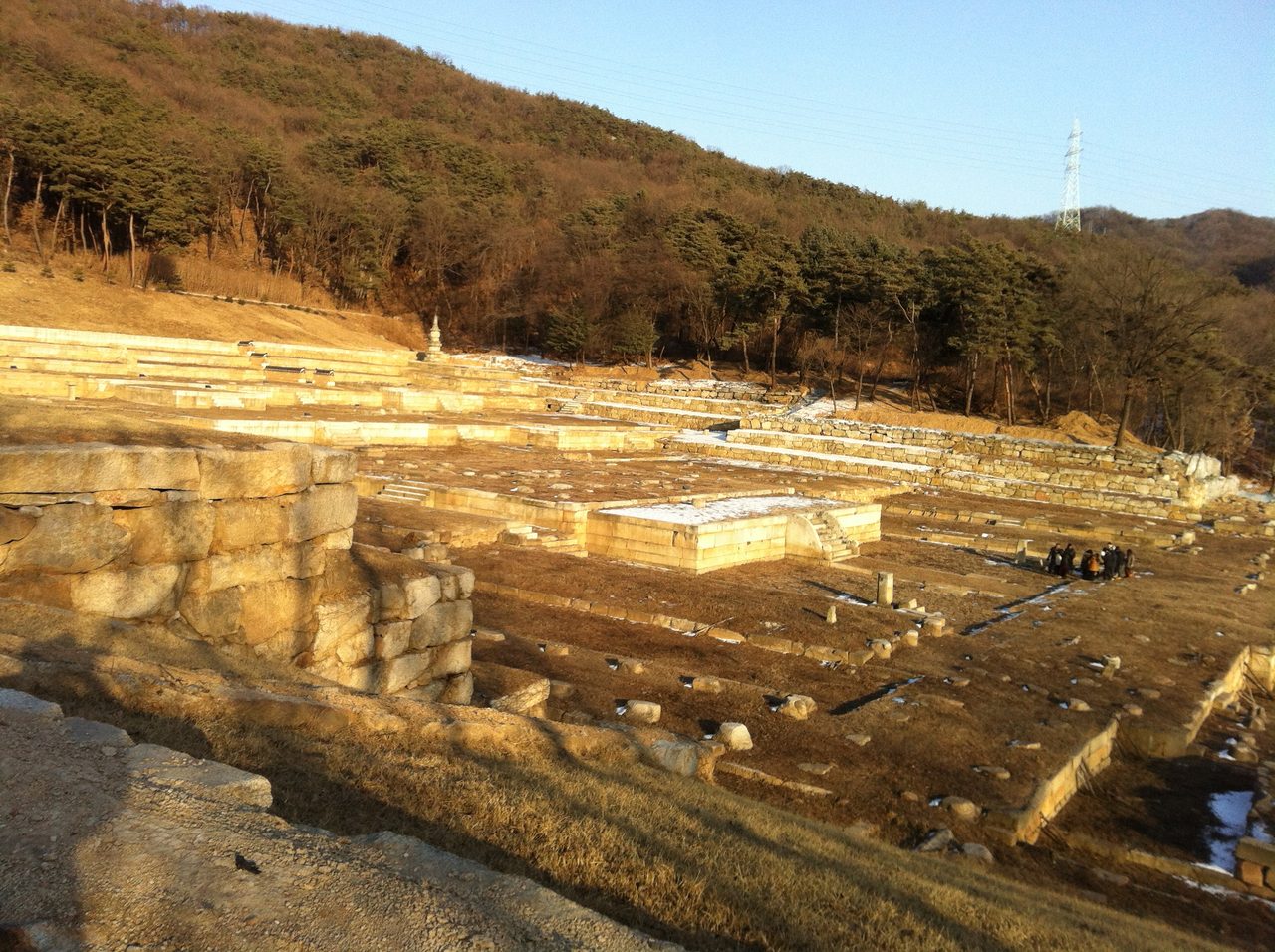
会岩寺遗址是 14 世纪朝鲜禅宗寺院遗址。据 UNESCO 世界遗产志愿者项目文件介绍,该寺按清规于 1374 年至 1376 年重建;1997 年至 2019 年的发掘确认了 70 处建筑基址,沿中轴线分布在 8 层台地上,包括山门、殿堂、禅修空间和僧侣生活设施;遗址占地 5.578 公顷,缓冲区 73.1 公顷,还包括与指空、懒翁、无学等高僧相关的 9 座纪念性建筑。温突地暖与精密的排水系统被视为当时先进建筑技术的证据。该遗址 2022 年已列入韩国的 UNESCO 世界遗产预备名单。
目前,一个 UNESCO 世界遗产志愿者项目正在会岩寺遗址举行(10 月 1 日至 12 日),主题是会岩寺的活态遗产与王室仪轨。Yangju 市表示,将根据 ICOMOS 的建议完善申遗材料,继续推进正式申遗程序。若申遗成功,会岩寺将成为韩国又一张面向世界的文化旅游名片。
Korea's Hoeamsa Temple Site Clears Key Hurdle in UNESCO Bid (First Report)
The city of Yangju in Gyeonggi Province, South Korea, announced Oct. 12 that the Hoeamsa Temple Site has cleared a major hurdle in its bid for UNESCO World Heritage inscription: the International Council on Monuments and Sites (ICOMOS), UNESCO's official advisory body, has delivered an overall assessment recognizing the site's strong potential for listing.
According to the Seoul Economic Daily's English edition on Oct. 12, Yangju said it had submitted a nomination titled 'Hoeamsa Temple Site: An Archaeological Site Representative of 14th-Century East Asian Seon Buddhist Monasteries' to the UNESCO World Heritage Centre for preliminary assessment. The preliminary assessment is a procedure UNESCO introduced to raise nomination success rates, requiring consultations with international advisory bodies from the earliest stages of preparation and rigorous verification of outstanding universal value, integrity and authenticity. Yangju said the roughly yearlong documentary review had affirmed the site's value as a World Heritage property.
In its assessment, ICOMOS found Hoeamsa likely to meet criterion (ii), concerning the interchange of architectural, technological and artistic culture, and criterion (iii), concerning evidence of a distinctive cultural tradition or civilization. The body also offered recommendations, including expanding the property's boundaries to encompass the surrounding landscape and elaborating the detailed descriptions of the listing criteria.
The Hoeamsa Temple Site is a 14th-century Korean Seon (Zen) Buddhist monastery site. According to UNESCO World Heritage Volunteers project documents, the temple was reconstructed between 1374 and 1376 according to Cheonggyu, or Pure Regulations, monastic principles. Excavations from 1997 to 2019 confirmed 70 building sites arranged on eight ascending terraces along a central axis of gates, halls, meditation spaces and monastic facilities. The property covers 5.578 hectares with a 73.1-hectare buffer zone and includes nine commemorative monuments linked to the monks Jigong, Naong and Muhak. Ondol heated floors and a sophisticated drainage structure are considered evidence of advanced architectural know-how of the era. The site was placed on South Korea's UNESCO Tentative List in 2022.
A UNESCO World Heritage Volunteers project is currently underway at the site (Oct. 1-12), themed on the living heritage of Hoeamsa and royal rituals. Yangju said it will refine its nomination materials based on ICOMOS's recommendations and press ahead with the formal inscription process. If successful, Hoeamsa would become another cultural tourism calling card for South Korea.
图片来源:韩国 Yangju 会岩寺遗址实景,CC BY-SA 3.0(Wikimedia Commons,摄影:Jjw)