新加坡总统尚达曼在曼谷IMF年会警告:AI正削弱应届毕业生的第一份工作需求,各国须尽快应对
曼谷——新加坡总统尚达曼(Tharman Shanmugaratnam)10月12日在曼谷举行的国际货币基金组织(IMF)与世界银行年会上警告,各国政府应正视一个紧迫问题:人工智能的兴起正在削弱应届毕业生对第一份工作的需求。尚达曼是本届年会的与会领导人之一——泰国官方此前公布,出席的外国领导人包括尚达曼和瑞士总统居伊·帕姆兰(Guy Parmelin)。
“有一个特殊的问题我们必须很快解决——那就是,就业的第一级台阶、你毕业后的第一份工作,现在正面临需求下降。”尚达曼周一在年会上说。“证据已经非常清楚,在最受AI影响的行业最明显。”他同时警告,世界还应避免因AI冲击而在发展中经济体与发达经济体之间形成“新的分化”。
他的发言与IMF本届年会的主题相互呼应:投资人工智能基础设施正帮助全球经济增长维持在约3%,但IMF估算,AI长期来看可能影响全球约40%的工作岗位,涉及就业、教育、生产率和政府收入。世界银行行长彭安杰(Ajay Banga)说,小规模的AI应用可以在农业、医疗和教育等关键领域带来显著的生产率提升——关键在于让发展中经济体也能受益。
对新加坡而言,这番警告与国内议程直接相关:新加坡正把AI放在经济战略中心——从淡马锡加大AI生态投资(见10月1日报道),到企业AI成熟度调查显示73%的新加坡机构已达到中高成熟度(微软与IDC 10月12日发布)。毕业生就业的第一级台阶,是新加坡家庭最关心的民生议题之一;总统在国际场合把话说得这么直白,预示着相关讨论将回到国内政策桌面。
来源:据路透社2026年10月12日报道及ThisDay对年会开幕讨论的报道整理。
In Bangkok, Singapore's President Tharman Warns AI Is Dampening First-Job Demand for Fresh Graduates
BANGKOK — Singapore President Tharman Shanmugaratnam warned at the International Monetary Fund and World Bank annual meetings in Bangkok on Monday, October 12, that governments across the world should address a pressing issue: the emergence of artificial intelligence is dampening jobs demand for fresh graduates. Tharman is among the visiting leaders at this year's meetings — Thai officials had earlier listed him alongside Swiss President Guy Parmelin as attending.
'There is a particular problem that we have to address very soon... and that is that, the first rung in employment, your first job upon graduation, is now seeing less demand,' Shanmugaratnam told the meetings. 'The evidence is already very clear, it's clearest in the most AI-exposed sectors.' He said the world should also avoid a situation where a 'new divergence' forms between developing and advanced economies due to disruptions from AI.
His remarks echoed the meetings' central theme: IMF Managing Director Kristalina Georgieva said investment in AI infrastructure is helping keep global growth at around 3 percent despite energy-supply pressures, but the IMF estimates AI could affect about 40 percent of jobs globally over time, reshaping employment, education, productivity and government revenue. World Bank President Ajay Banga said smaller-scale AI applications could deliver significant productivity gains in agriculture, healthcare and education — provided developing economies can share in the benefits.
For Singapore, the warning connects directly to the domestic agenda. The city-state has put AI at the centre of its economic strategy — from Temasek raising its AI-ecosystem exposure (see October 1) to a Microsoft–IDC study released October 12 finding 73 percent of Singapore organisations at the middle or highest levels of AI maturity. The first rung of graduate employment is among the most closely watched livelihood issues for Singapore families; a president speaking this plainly on an international stage signals the debate is coming home to the policy table.
Sources: Compiled from Reuters (October 12, 2026) and ThisDay's report of the meetings' opening discussions.
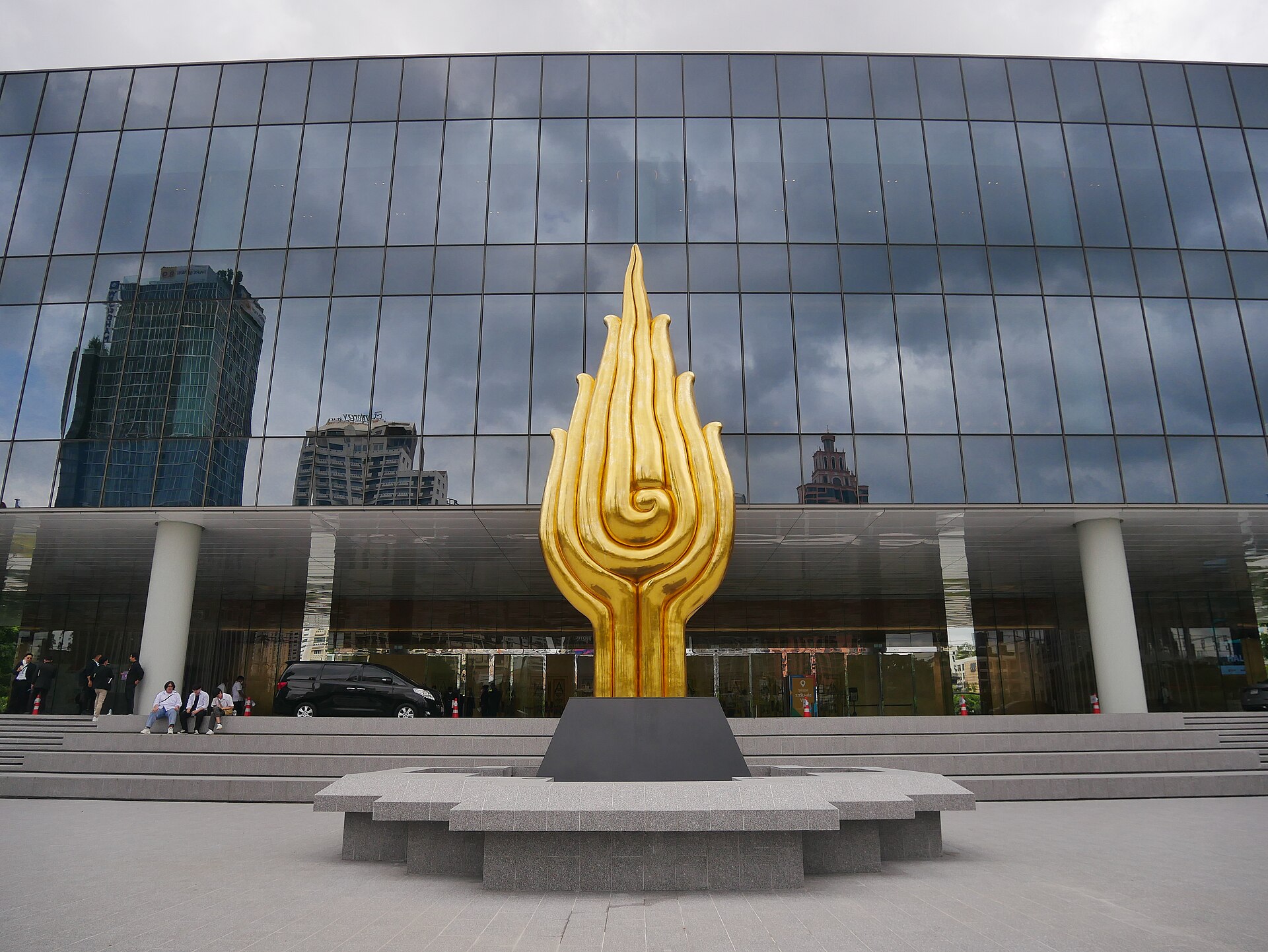
图片来源:曼谷诗丽吉王后国家会展中心正门,กสิณธร ราชโอรส 摄,CC BY-SA 4.0(Wikimedia Commons)