美国房贷利率升至 7.40%,连续第七周上涨,创近三年新高
美国房贷利率再次攀升。据弗雷迪·麦克(Freddie Mac)10月8日公布的每周主要房贷市场调查(Primary Mortgage Market Survey),截至10月8日的一周,美国30年期固定房贷平均利率升至7.40%,高于前一周的7.28%,而一年前的同期仅为6.30%。这是该利率连续第七周上涨,也是自2023年11月以来的最高水平。
与此同时,15年期固定房贷平均利率升至6.73%,高于前一周的6.60%,一年前为5.53%。
弗雷迪·麦克首席经济学家萨姆·凯特(Sam Khater)在声明中表示:“随着市场条件不断变化,借款人应当记得,多比较几家房贷报价、在利率上货比三家,在贷款全周期内可能省下数千美元。”
回顾今年的利率走势:今年夏季30年期利率还在6.5%左右徘徊,9月初升至6.71%,随后两周分别升至6.95%和7.03%——9月24日是2026年内首次突破7%,也是2025年1月以来的最高点;10月1日进一步升至7.28%,10月8日达到7.40%。
利率走高直接抬升了购房成本。据 Consumer Affairs 报道,以40万美元贷款计算,本周的利率水平下,购房者每月本息支出比一年前的利率水平高出约294美元。
市场已经显出降温迹象。据 Zillow 10月6日发布的9月市场报告:9月新签约待成交(newly pending sales)同比下降8.5%,已成交销售同比下降2.5%;房价涨幅趋缓,过去一年仅上涨1%;典型房贷月供比一年前高出6.7%(按20%首付、不含税与保险计算);全美待售库存同比增长2.5%,已连续34个月同比增长。不过新挂牌量依然偏弱,比去年9月仅多0.4%,仍低于疫情前基线11.9%。
房贷申请量也在萎缩。据 Mortgage Bankers Association 的数据(据 Mortgage Professional America 汇总),副首席经济学家乔尔·坎(Joel Kan)表示,利率走高同时抑制了再融资和购房申请:购房申请周环比下降2%、同比下降15%,再融资申请同比下降56%,首次购房者和 FHA 贷款借款人受冲击最大。
目前买卖双方陷入僵持:买家不愿接受高利率下的购房成本,卖家也不愿降价。全美房地产经纪人协会(NAR)将于10月13日发布9月成屋销售报告,届时将给出更完整的成交数据。
(消息来源:Freddie Mac 10月8日官方发布;Zillow 9月市场报告;Mortgage Bankers Association)
U.S. Mortgage Rates Climb to 7.40%, Seventh Straight Weekly Increase and Highest in Nearly Three Years
U.S. mortgage rates climbed again this week. According to Freddie Mac's Primary Mortgage Market Survey released on October 8, the 30-year fixed-rate mortgage averaged 7.40% for the week ending October 8, up from 7.28% the previous week. A year ago at this time, the 30-year rate averaged 6.30%. It was the seventh consecutive weekly increase and the highest reading since November 2023.
The 15-year fixed-rate mortgage averaged 6.73%, up from 6.60% last week; a year earlier it averaged 5.53%.
"As market conditions continue to evolve, borrowers should remember that shopping around for a mortgage rate and getting multiple quotes can potentially save them thousands over the loan's lifetime," said Sam Khater, Freddie Mac's chief economist.
This year's rate trajectory: the 30-year rate was hovering around 6.5% this summer, reached 6.71% in the first week of September, then rose to 6.95% and 7.03% over the next two weeks — September 24 marked the first reading above 7% in 2026 and the highest since January 2025. It climbed further to 7.28% on October 1 and 7.40% on October 8.
Higher rates directly raise the cost of buying. According to Consumer Affairs, a borrower taking out a $400,000 loan would pay about $294 more per month in principal and interest than at the average rate a year ago.
The market is already showing signs of cooling. According to Zillow's September Market Report released on October 6: newly pending sales fell 8.5% year over year in September, and closed sales fell 2.5%; home values rose just 1% over the past year; the typical mortgage payment is 6.7% higher than a year ago (assuming 20% down and excluding taxes and insurance); and total for-sale inventory was 2.5% higher than a year ago, marking the 34th consecutive month of annual gains. New listings remain weak, up just 0.4% from last September and still 11.9% below the pre-pandemic baseline.
Mortgage applications are shrinking as well. Citing Mortgage Bankers Association data (summarized by Mortgage Professional America), MBA deputy chief economist Joel Kan said higher rates are dampening both refinance and purchase activity: purchase applications fell 2% from the prior week and 15% from a year earlier, while refinance applications fell 56% year over year, with first-time and FHA borrowers feeling the pressure most.
Buyers and sellers are now in a standoff: buyers resist the cost of purchasing at high rates, while sellers resist price cuts. The National Association of Realtors will release its September existing-home sales report on October 13, which will provide fuller closing data.
(Sources: Freddie Mac, October 8 release; Zillow September Market Report; Mortgage Bankers Association)
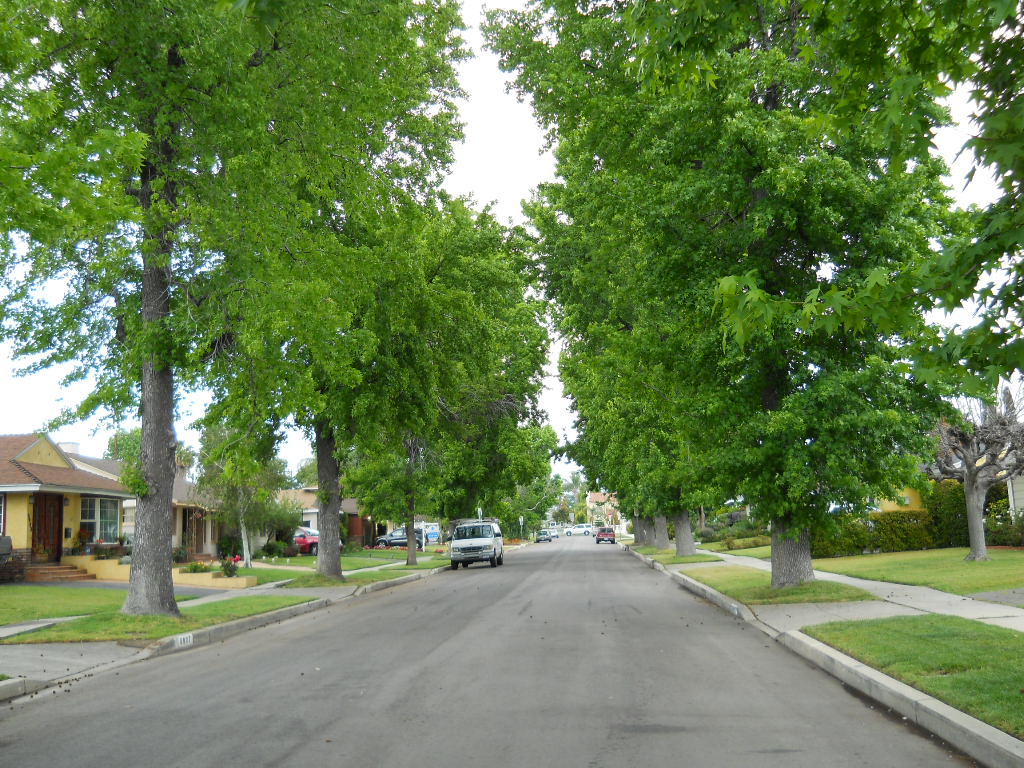
图片来源:加州 Van Nuys 住宅街景,公有领域(Wikimedia Commons,摄影:JGKlein)