波特兰市议会10月14日审议中央城分区大改,住宅可进商业地段
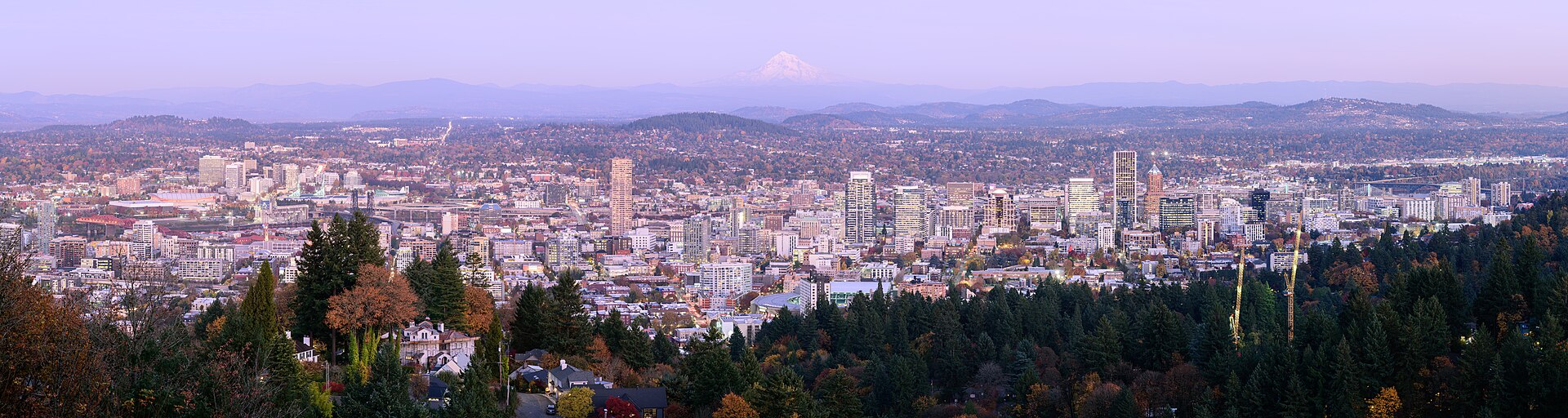
波特兰市议会将于10月14日(周三)举行听证会,审议中央城分区法规修订草案(Central City Code Amendments Project),这是该市近年来最大规模的市中心土地使用规则调整。据市政府官网公告,修订旨在增加住房供给、推动疫情后经济复苏。
这套方案由市规划与可持续发展局起草,今年9月10日公布建议稿,7月14日已获市规划委员会全票通过并送交市议会。核心内容包括:在中央城部分区域允许住宅进入此前禁建住宅的地段;取消中央东区(Central Eastside)首层禁住宅限制;提高建筑奖励高度——符合遮阴审查等条件的发展商甚至可不受限高约束;同时扩大商业、零售与餐车经营许可。风景廊道与历史街区不在调整范围内。
市府数据显示,中央东区现有分区已具备超过1.5万套潜在住宅的容量,修订案意在进一步释放开发潜力。据《HousingWire》报道,波特兰市中心约三分之一的商业地产空置——这是疫情与混合办公模式的后遗症;2024年第四季度市中心写字楼空置率达34.7%,2025年中央城空置办公面积超过1000万平方英尺,创历史最高。
不过分区松绑能否换来实际开工仍是问号。草案目前不含财政激励,而纽约、华盛顿、波士顿、西雅图、洛杉矶等城市在推写字楼改住宅时普遍配套了税收减免或直接补贴。州长蒂娜·科特克(Tina Kotek)今年3月已签署法案,修复了波特兰一项“无配套激励、反而抑制建房”的保障房强制令。
按程序,市议会将在10月14日听取书面与口头证词(口头作证登记已于10月9日开放),之后讨论、可能提出修正案并表决。若通过,新规预计2027年3月1日生效。
Portland City Council to weigh Central City zoning overhaul on Oct. 14
The Portland City Council will hold a hearing on Wednesday, Oct. 14, on the Central City Code Amendments Project, the city's largest downtown land-use rewrite in years, according to a city announcement. The proposal aims to boost housing production and support post-pandemic economic recovery.
Drafted by the Bureau of Planning and Sustainability and released as a Recommended Draft on Sept. 10, the package was sent to the council by a unanimous Planning Commission vote on July 14. Key changes include allowing housing in parts of the Central City where it is currently restricted, removing ground-floor residential restrictions in the Central Eastside, offering higher building bonuses — developers could build without height limits if they meet requirements such as shadow reviews — and expanding permitted business, retail and food-cart operations. Scenic view corridors and historic districts would remain excluded.
Existing zoning in the Central Eastside already provides capacity for more than 15,000 potential housing units, and the update aims to unlock further development. According to HousingWire, about a third of downtown Portland's commercial real estate sits vacant, a legacy of the pandemic and hybrid work; downtown office vacancy hit 34.7% in the fourth quarter of 2024, and Central City office vacancy averaged more than 10 million square feet in 2025, a record.
Whether looser zoning translates into actual construction is uncertain: the draft includes no financial incentives, while cities like New York, Washington, Boston, Seattle and Los Angeles have paired office-to-housing conversions with tax abatements or subsidies. In March, Gov. Tina Kotek signed legislation fixing a Portland affordable-housing mandate that had backfired by imposing requirements with no public incentives.
The council will take written and oral testimony on Oct. 14 (oral-testimony registration opened Oct. 9), then discuss, possibly amend, and vote. If approved, the changes would take effect March 1, 2027.
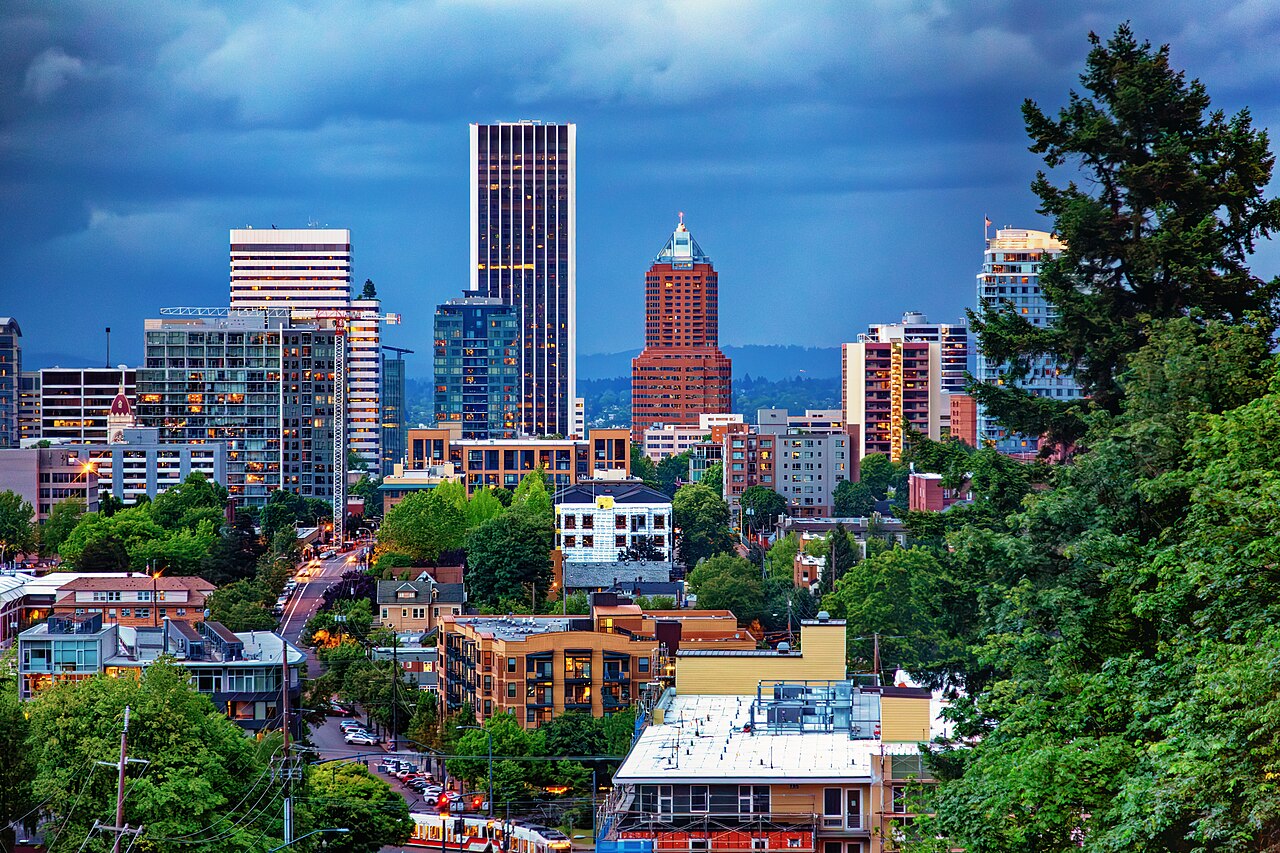
图片来源:图片来源:Wikimedia Commons,Tony Webster 摄,CC BY 2.0 授权