最高法院10月新开庭期:枪支、投票权、移民案排上日程
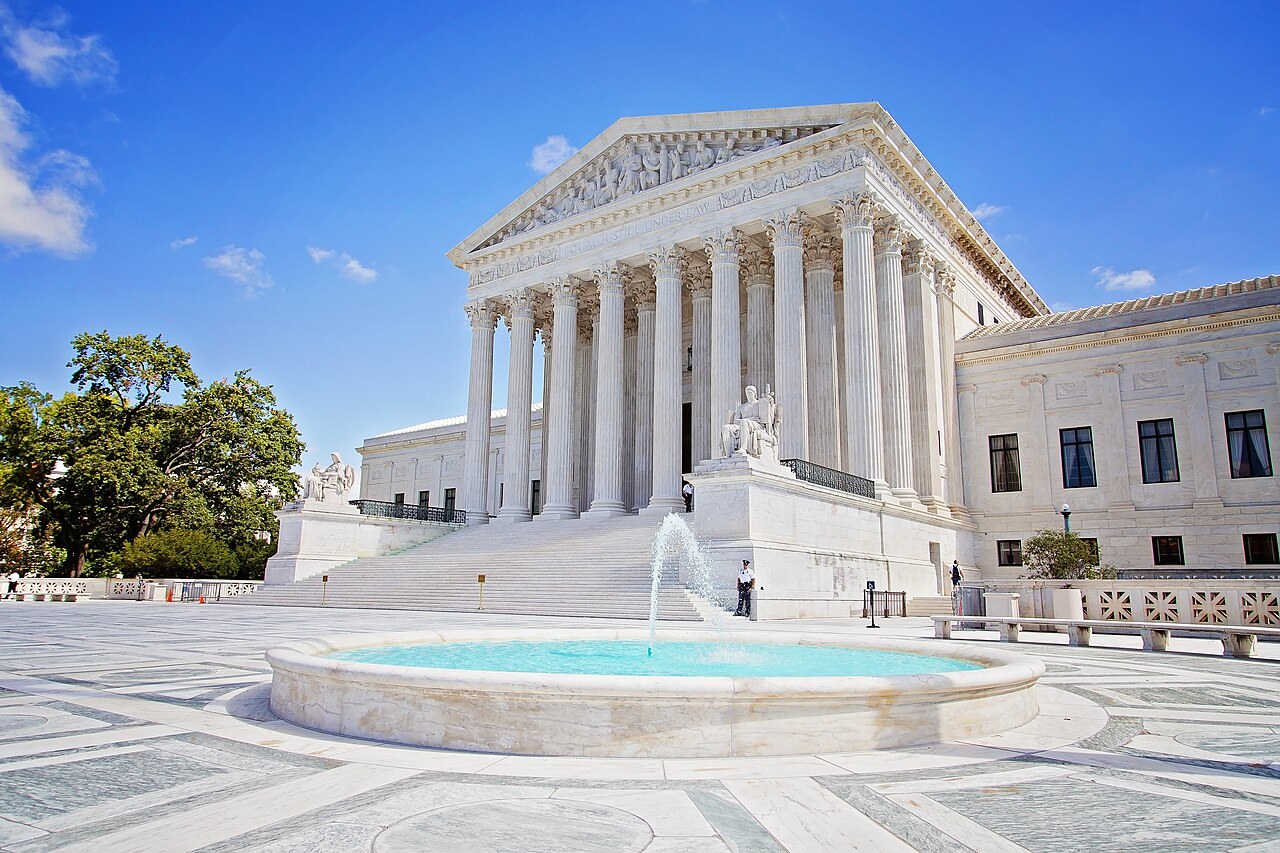
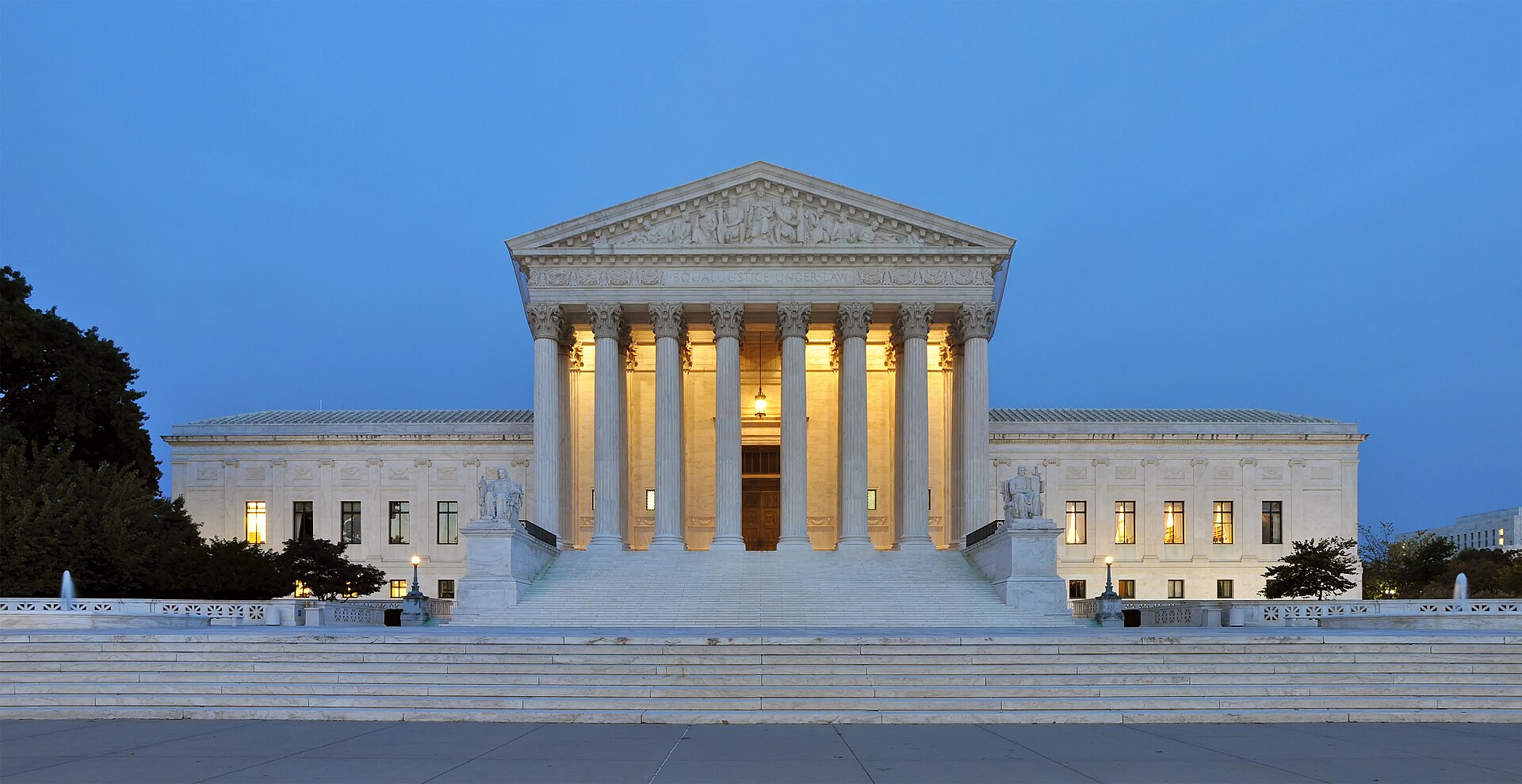
美国联邦最高法院10月开启2026年新开庭期,大法官们将审理一系列涉及美国民众公民权利的重大案件,议题涵盖枪支管制、投票权与移民政策。据CQ Roll Call记者迈克尔·马卡尼翁报道,目前由六名保守派大法官主导的最高法院,已将气候变化、投票权、枪支权利以及政府对移民的管辖权等争议列入审理日程。
在枪支权利方面,大法官们将审理“维拉蒙特斯诉库克县案”(Viramontes v. Cook County),核心争议是地方政府禁止“攻击性武器”(如AR-15步枪)的法律是否合宪。据杜克大学枪支法专家约瑟夫·布洛彻介绍,这是最高法院首次直接审理针对特定种类武器的禁令。国会曾于1994年通过类似的联邦禁令,但该法已于2004年到期失效。布洛彻指出,此案裁决可能影响国会与各州对大口径步枪、机枪、大容量弹匣、撞火枪托等武器及配件的监管权力。乔治·华盛顿大学法学教授罗伯特·科特罗尔表示,此案还可能牵动国会1934年《全国枪支法》这一实施近90年的机枪管制体系。
在投票权方面,大法官们已同意审理“共和党全国委员会诉米·法米利亚·沃塔案”(RNC v. Mi Familia Vota),争议焦点是亚利桑那州能否要求选民提供超出联邦选举要求的公民身份证明。该案定于12月进行口头辩论——值得注意的是,时间点在中期选举之后。亚利桑那州法律要求选民登记时提供公民身份证明,2022年该州又通过新法,要求官员定期核查已登记选民的公民身份。民权团体与选民提起诉讼,主张该州制度违反了全国选民登记法,后者同时禁止在大选临近时清理选民名册。
在移民政策方面,大法官们本周同意审理两起挑战特朗普政府移民政策的重大案件。其一为“国土安全部诉D.V.D.案”,涉及政府将移民送往非其本国的“第三国遣返”做法;其二为“巴博萨·达·库尼亚诉弗雷登案”,涉及政府试图在遣返程序期间无限期拘留几乎所有无合法身份移民的政策。据报道,该拘留政策已影响数万名移民,并在各地法院引发数百起针对政府的裁决。
除正式审理日程外,法律专家还密切关注最高法院日益扩张的“紧急案件”(emergency docket)程序。乔治·华盛顿大学法学教授勒鲁指出,自她1995年担任最高法院书记员以来,紧急案件的数量“大规模增长”。通过这一程序,大法官们常在数天或数周内作出重大裁决,而无需双方进行完整辩论。过去几年中,包括特朗普重塑出生公民权以及TikTok在美禁令挑战在内的多起重大案件,都是经由紧急程序处理的。
据CQ Roll Call报道,宪法问责中心专家布里安娜·戈罗德表示,尽管本开庭期表面上不如上一开庭期那样充满爆炸性议题——上期涉及LGBTQ权利、选区划分中的种族因素及特朗普重塑出生公民权等——但重磅案件仍在路上。“不能因为目前没有涉及特朗普政府政策的案件,就认为它们不会来,”戈罗德说。目前仍在各级法院推进、有可能进入本开庭期的案件,包括特朗普政府单方面取消国会已拨款项的争议,以及其最新一轮全球关税措施的合法性之争。
来源:据USA Today/CQ Roll Call(记者Michael Macagnone)报道。
Supreme Court Opens October Term With Guns, Voting Rights and Immigration on the Docket
WASHINGTON — The U.S. Supreme Court has opened its October 2026 term with a docket stocked with major fights over Americans' civil rights, federal-state power struggles, and the looming prospect of last-minute litigation over the coming midterm elections, CQ Roll Call's Michael Macagnone reports.
On guns, the justices will hear Viramontes v. Cook County, a challenge to the constitutionality of local laws banning so-called "assault weapons" such as the AR-15. Duke University firearms-law professor Joseph Blocher notes it is the first time the court will address a ban on a particular kind of weapon; Congress passed a similar federal ban in 1994 that lapsed in 2004. Blocher said the ruling could affect the power of Congress and the states to regulate high-caliber rifles, machine guns, high-capacity magazines, bump stocks and other firearms or accessories. George Washington University law professor Robert Cottrol added the case could implicate Congress's nearly 90-year-old machine-gun regime, the National Firearms Act of 1934.
On voting rights, the justices agreed to hear Republican National Committee v. Mi Familia Vota, over whether Arizona can require voters to provide more proof of citizenship than federal elections require. Arguments are set for December — after the midterms. Arizona law requires proof of citizenship to register, and a 2022 state law requires officials to periodically check registered voters' citizenship. Civil rights groups argue the system violates the National Voter Registration Act, which also bars voter-roll purges close to an election.
On immigration, the justices this week agreed to hear two major challenges to Trump administration policies: Department of Homeland Security v. D.V.D., covering so-called "third-country removals," and Barbosa da Cunha v. Freden, covering the attempt to detain nearly every immigrant without legal status indefinitely pending removal proceedings — a policy that has affected tens of thousands and drawn hundreds of court rulings against the administration.
Beyond the merits docket, experts are watching the court's expanding emergency docket, where justices decide major issues in days or weeks without full briefing. GWU professor Renee Lettow Lerner said the emergency docket has grown "massively" since she clerked in 1995. In past years, blockbuster cases including the birthright-citizenship fight and the TikTok ban challenge arrived via the emergency process.
Constitutional Accountability Center expert Brianne Gorod said that "just because there's an absence of cases involving Trump administration policies, that doesn't mean they are not coming," pointing to pending disputes over the administration's unilateral cancellation of congressionally mandated spending and its worldwide tariffs.
Source: USA Today / CQ Roll Call (Michael Macagnone).
图片来源:Sunira Moses, CC BY-SA 3.0 (Wikimedia Commons)