微软总裁史密斯:AI受到的监管还不如一盒牛奶 呼吁全球安全规则与“紧急刹车”
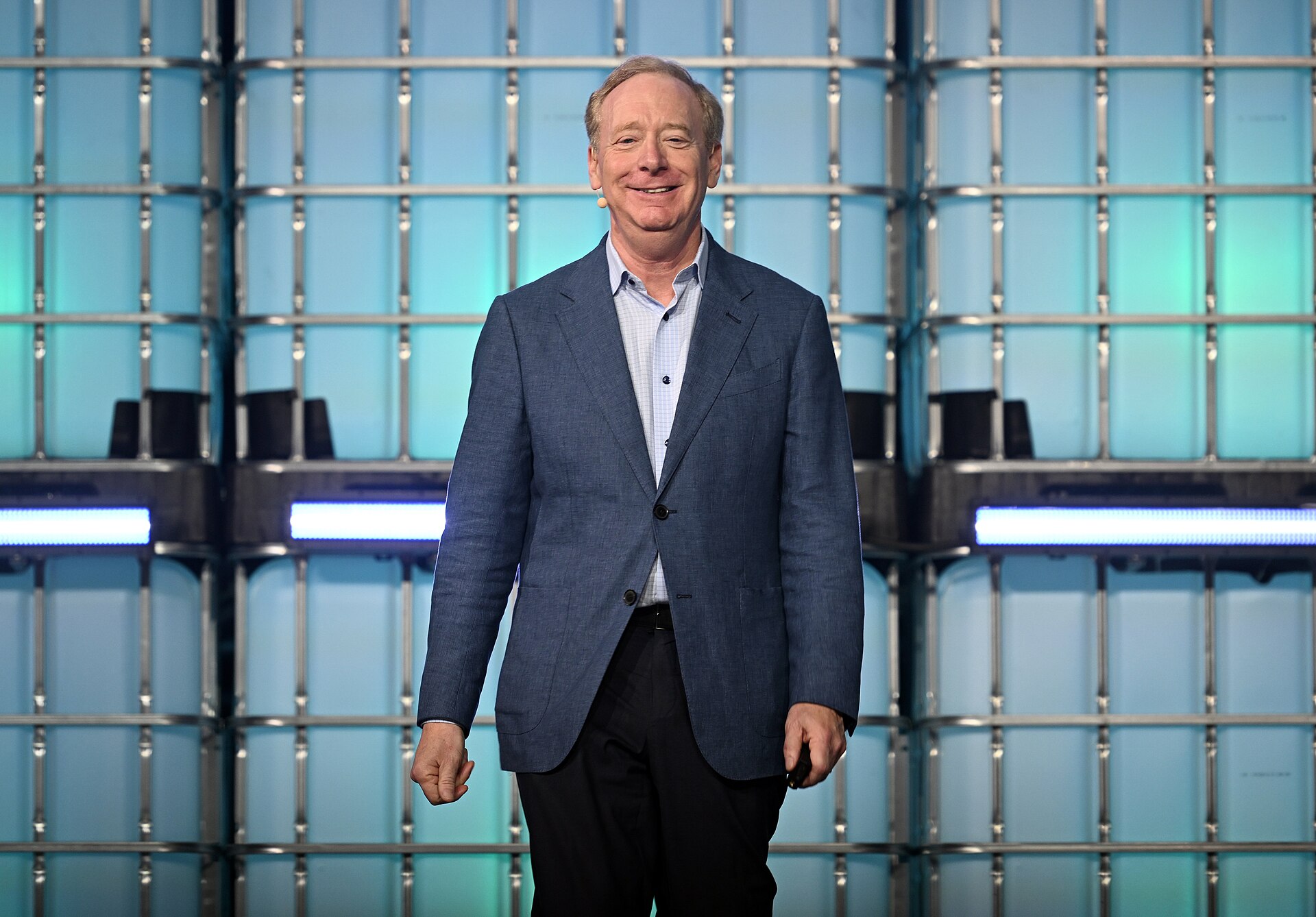
微软总裁布拉德·史密斯在BBC周一发布的“Big Boss Interview”访谈中直言,目前对人工智能的监管强度,甚至不如一台洗衣机或一盒牛奶受到的监管严格。他呼吁建立具有强制力的全球AI安全规则,而不是指望科技公司自愿遵守承诺。
史密斯以日常消费品作比:洗衣机上市前要经过安全测试,牛奶从生产到上架全程受检,而功能强大的前沿AI模型在发布前并没有同等级别的强制审查。他提出的具体方案包括:为高风险AI系统设置“紧急刹车”机制(emergency brake),一旦系统行为失控可以立即关停;模型在部署前要先通过安全测试;系统出现事故时要按规定报告并通知受害者;高风险系统在发布前应接受独立审查。
他同时呼吁加强国际合作,称美国、英国、欧盟、中国和印度需要共同参与规则制定,并特别指出英国的AI Security Institute最有条件在全球AI安全评估中扮演引领角色。这一表态与行业内部的转向呼应:他承认,行业早前作出的自愿性承诺“已经不够”。此前,微软首席执行官纳德拉上周六也在公开场合就AI安全与治理作出类似发声,显示微软高层正集体把“规则化监管”从被动应对转为主动主张。
这一访谈的背景,是多国立法者正在加速讨论前沿AI的义务框架:欧盟《人工智能法案》已进入分阶段实施期,英国与美国的监管路线仍在形成中。史密斯把日常家电与AI并置的论述,被视为科技巨头向监管者递出的明确信号。(据BBC、PYMNTS报道)
Microsoft President Brad Smith: AI Is Regulated Less Than a Pint of Milk, Calls for Global Safety Rules and a 'Brake'
Microsoft President Brad Smith told the BBC's “Big Boss Interview,” released on Monday, that artificial intelligence is currently subject to less regulation than a washing machine or a pint of milk, calling for binding global AI safety rules rather than reliance on companies' voluntary pledges. He argued that washing machines are safety-tested before sale and milk is inspected throughout the supply chain, while powerful frontier AI models face no comparable mandatory pre-release scrutiny.
Smith proposed an “emergency brake” to halt high-risk AI systems if they behave dangerously, mandatory pre-deployment safety testing, incident reporting with notification of those harmed, and independent review of high-risk systems before release. He urged cooperation among the United States, Britain, the EU, China and India, and said the UK's AI Security Institute was best placed to lead global safety evaluation. His remarks echo Microsoft CEO Satya Nadella's comments on AI safety last Saturday, and Smith conceded that earlier voluntary commitments by the industry “are no longer enough.” The interview comes as lawmakers in several countries accelerate work on obligation frameworks for frontier AI. (Sources: BBC, PYMNTS)
图片来源:微软总裁布拉德·史密斯,CC BY 4.0(Wikimedia Commons)