马里兰州Medicaid两轮收紧:4500名合法移民10月1日失保 32万人明年面临工作要求

马里兰州安纳波利斯讯——国会共和党人推动的《大而美法案》(One Big Beautiful Bill Act)对 Medicaid(医疗补助)的全面改革,正以两轮冲击波袭击马里兰州:约4500名合法居留的移民已于10月1日失去全额 Medicaid 资格;而2027年1月1日起生效的工作要求与续保新规,将影响约32万低收入成年人。
该法案由特朗普总统于2025年7月4日签署,预计到2034年将为这个联邦与州共同出资、帮助低收入与残障人群支付医疗费用的项目削减超过9000亿美元联邦支出。白宫在签署时称,法案将通过"消除浪费、欺诈和滥用"来强化这一项目。无合法身份者长期以来本就无资格享受联邦出资的 Medicaid;但新法把刀口对准了合法居留的移民和低收入成年人——其中包括许多美国公民。
"The law passed and we have to stay in compliance with the law,"("法律已经通过,我们必须遵守。")马里兰州卫生厅厅长米娜·塞沙马尼(Meena Seshamani)告诉首府新闻社(Capital News Service)。但她也表达了深切担忧:"When people lose their health insurance, they're not able to go see a doctor when they get sick… and the downstream impact of that on the lives of people in our community and their families is really, really, really concerning."("当人们失去医保,生病时就看不起医生……这对我们社区人们的生活和他们的家庭造成的连锁影响,真的非常、非常、非常令人担忧。")
第一轮(10月):部分移民失去 Medicaid。10月1日的截止线终结了特定合法居留成年人的全额 Medicaid 资格,包括:难民、庇护获得者、获准以人道主义假释在美居留至少一年者(含部分阿富汗人和乌克兰人),以及部分家暴或人口贩卖幸存者。州卫生厅发言人阿曼达·希尔斯(Amanda Hils)说,约4500名参保人已在8月收到"全额医保即将终止"的通知。仍可参保的包括:满足或豁免五年等待期的绿卡持有者、古巴与海地入境者、以及《自由联系条约》(COFA)覆盖的移民。儿童与孕妇保留原有保障,急诊救治不受影响。
第二轮(明年1月):工作要求+半年一续保。从2027年1月1日起,通过《平价医疗法案》(ACA)扩张计划参保的19至64岁低收入成年人,将面临新的联邦工作要求,并须每六个月续保一次(原为一年一次)。在马里兰州,这类保障一般覆盖收入不超过联邦贫困线138%的人群——单人年收入约2.2万美元,约占全州150万 Medicaid 参保人的22%。
达标方式有三种:月收入至少580美元、半日制以上上学、或每月完成80小时合规的工作/培训/志愿服务。豁免情形包括怀孕、照顾14岁以下儿童或残障人士、以及被认定为"医疗脆弱者"。州卫生厅预计,到2028年6月约15.2万成年人可能失保——这一数字已从此前预计的11.5万上调,原因是联邦监管机构6月发布了临时最终规则。城市研究所(Urban Institute)的分析则预计,到2028年,马里兰州月均参保人数将减少10.2万至20.7万人。
州总检察长安东尼·布朗(Anthony Brown)已加入多州联合诉讼,挑战该联邦规则的部分内容,指其非法收窄了对"医疗脆弱者"的保护。
县级卫生官员担心,冲击最重的将是移民社区,以及那些明明符合条件、却在繁琐手续中"掉队"的居民。"I think the situation is terrible and cruel, to put it lightly,"("说得轻一点,这情况糟糕而残酷。")蒙哥马利县公共卫生服务主管尼娜·阿什福德(Nina Ashford)说。该县是马里兰州最多元化的县,可能首当其冲。乔治王子县公共卫生政策与创新主管安德鲁·巴拉德(Andrew Ballard)说,已有不少居民拿着 Medicaid 通知到卫生厅请专员复核,还有人在10月1日前主动退保——因为他们以为自己注定失保:"When a resident loses Medicaid, care typically shifts or in some instances stops altogether."("居民一旦失去 Medicaid,医疗照护通常会被转移,某些情况下则彻底中断。")
马里兰全民医保联盟主席文森特·德马科(Vincent DeMarco)警告,参保人数流失会推高留下来的人的医疗成本——更多无保险者涌向医院,将抬高医院的坏账与保费。该联盟的五点计划包括提议每杯酒加税10美分,预计可筹集近2.2亿美元。塞沙马尼表示,州政府已设立2500万美元基金,支持联邦认证的社区健康中心,让失去保险的人仍有地方看病。
影响:明年1月1日的另一项变化同样不容忽视——参保前欠账的追溯报销期,将从3个月缩短为1个月(ACA 扩张计划成年人)或2个月(其他参保人)。阿什福德警告,这"可能让本有资格享受 Medicaid 的人背上巨额债务"。对马里兰州华人社区而言,卫生官员的提醒是:仔细查看续保通知,善用社区导航员与社区组织协助办理新手续;若保障中断,可前往联邦认证的社区健康中心就诊。
Maryland Medicaid Tightens in Two Waves: 4,500 Lawfully Present Immigrants Lose Coverage Oct. 1; Work Rules Hit 320,000 in January
ANNAPOLIS, Md. — Sweeping changes to Medicaid under congressional Republicans' One Big Beautiful Bill Act are hitting Maryland in two waves: about 4,500 immigrants living legally in the state lost eligibility for full Medicaid coverage on October 1, and new work and renewal requirements taking effect January 1 will affect about 320,000 low-income adults.
Signed by President Donald Trump on July 4, 2025, the law is expected to cut federal spending by more than $900 billion through 2034 for the jointly funded federal-state program that helps people with low incomes or disabilities pay for health care. The White House said at the signing that the law would strengthen the program by eliminating waste, fraud and abuse. People living in the country without authorization have long been ineligible for federally funded Medicaid; the new law, however, reaches immigrants living here legally and low-income adults, including many U.S. citizens.
"The law passed and we have to stay in compliance with the law," Maryland Health Secretary Meena Seshamani told Capital News Service. But she said she is deeply concerned: "When people lose their health insurance, they're not able to go see a doctor when they get sick… and the downstream impact of that on the lives of people in our community and their families is really, really, really concerning."
October: certain immigrants lose Medicaid. The October 1 cutoff ends full Medicaid eligibility for certain lawfully present adults: refugees, asylees, people granted temporary humanitarian permission to enter or remain in the U.S. for at least a year — including some Afghans and Ukrainians — and certain abuse or trafficking survivors, the health department said. About 4,500 enrollees received notices in August that their full coverage would end, said health department spokesperson Amanda Hils. Green card holders who meet or are exempt from a five-year waiting period, Cuban and Haitian entrants, and migrants covered by the Compacts of Free Association can still qualify. Children and pregnant women will keep their coverage, and emergency care remains unaffected.
January: work rules and twice-yearly renewals. Beginning January 1, low-income Maryland adults ages 19 to 64 who qualify for Medicaid through the Affordable Care Act expansion will face new federal work requirements and will have to renew coverage every six months instead of once a year. In Maryland, this coverage generally extends to adults earning up to 138% of the federal poverty level — about $22,000 a year for one person — a group that makes up about 22% of the state's roughly 1.5 million Medicaid enrollees.
They can meet the new rules by earning at least $580 a month, attending school at least half-time, or completing 80 hours a month of qualifying work, training or volunteering. Exemptions include pregnancy, caring for a child younger than 14 or a person with a disability, and being deemed "medically frail." The Maryland Department of Health projects about 152,000 adults could lose coverage by June 2028 — raised from an earlier projection of 115,000 after federal regulators issued an interim final rule in June. An Urban Institute analysis projects the rules could leave 102,000 to 207,000 fewer Maryland adults enrolled in an average month in 2028.
Attorney General Anthony Brown has joined a multistate lawsuit challenging parts of the federal rule, arguing the federal government unlawfully narrowed protections for medically frail people.
County officials fear the heaviest toll will fall on immigrant communities and on eligible residents who get lost in the paperwork. "I think the situation is terrible and cruel, to put it lightly," said Nina Ashford, Montgomery County's chief of public health services, noting the changes could disproportionately affect Maryland's most diverse county. Andrew Ballard, Prince George's County's chief of public health policy and innovation, said many residents have already brought Medicaid notices to the health department for review, and some disenrolled before October 1 expecting to lose coverage: "When a resident loses Medicaid, care typically shifts or in some instances stops altogether."
Vincent DeMarco, president of the Maryland Health Care for All Coalition, warned that coverage losses could raise costs for people who remain insured, as more uninsured patients turn to hospitals. His coalition's five-point plan includes a proposed 10-cent-per-drink increase in the alcohol tax, which he said could raise nearly $220 million. Seshamani said the state has a $25 million fund for federally qualified health centers so people who lose insurance will still have a place to seek care.
Impact: Another January 1 change will also cut retroactive Medicaid coverage of bills incurred before enrollment from three months to one for ACA expansion adults and two for other enrollees — a shift Ashford warned "could saddle folks who are eligible for Medicaid with massive amounts of debt." For Maryland's Chinese American community, the message from health officials is to check renewal notices carefully, use navigators and community organizations for help with the new paperwork, and seek care at federally qualified health centers if coverage lapses.
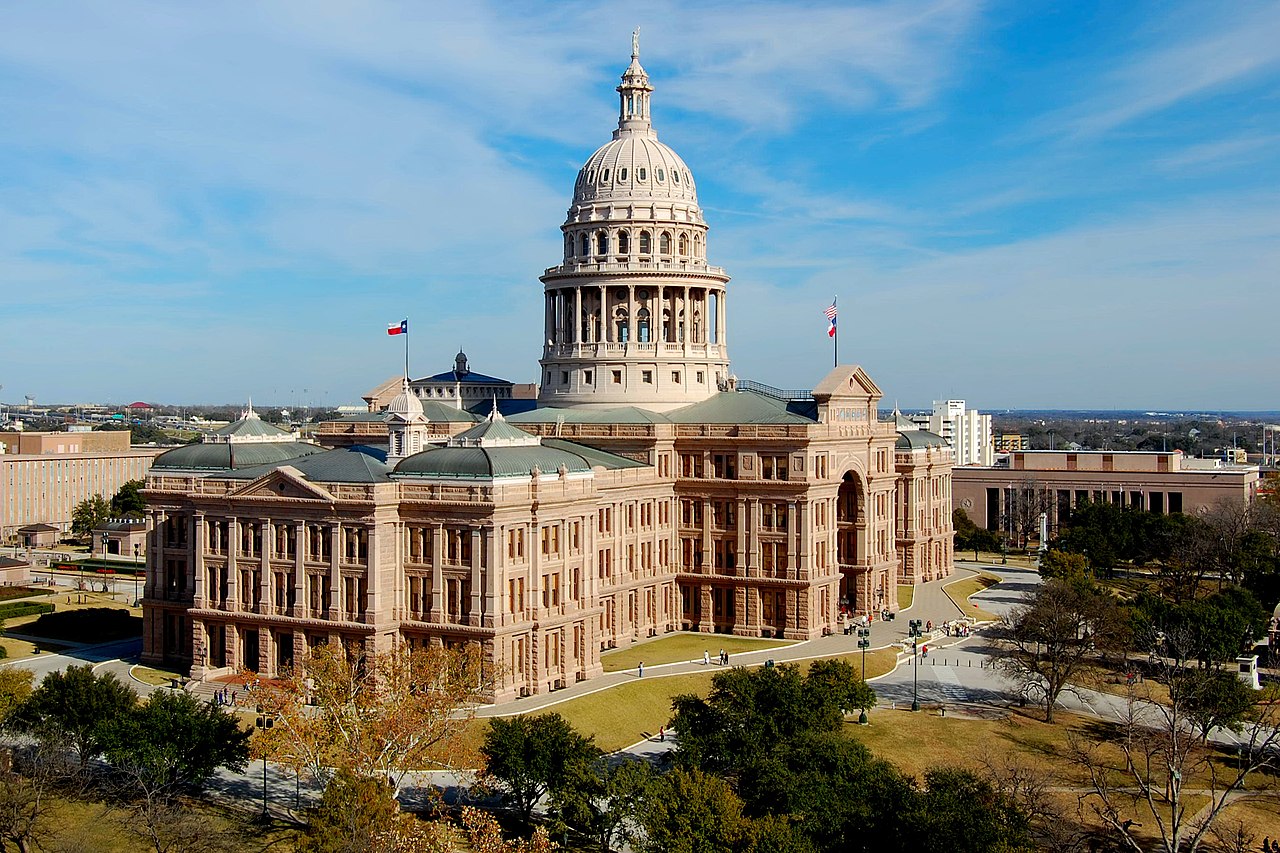
图片来源:P. Hughes 摄,CC BY-SA 4.0(Wikimedia Commons)