联邦新规冲击下路易斯安那粮食券注册人数骤降21%:约17万人失去食品援助
路易斯安那州巴吞鲁日讯——自特朗普总统 2025 年 7 月签署《大而美法案》(One Big Beautiful Bill Act)以来,路易斯安那州联邦食品援助计划的注册人数急剧下滑。预算与政策优先中心(Center on Budget and Policy Priorities)对联邦数据的分析显示,2026 年 6 月该州领取粮食券(SNAP,俗称食品券)的人数比法案生效时减少了约 17 万人,降幅达 21%,是全美降幅最大的州之一。
全国来看,2026 年 6 月 SNAP 注册人数比 2025 年 7 月减少了约 500 万人,降幅 13%。
"我们大约三十年没见过这种幅度的下降,"该中心食品援助研究高级主任约瑟夫·略布雷拉(Joseph Llobrera)说。
雪上加霜的是,美国农业部数据显示,2025 年 8 月到 2026 年 8 月食品价格上涨了近 3%——也就是说,民众正是在菜价越来越贵的时候失去了这份补助。
《大而美法案》扩大了 SNAP 的工作要求、让各州更难豁免这些要求,并取消了许多有合法身份的非公民的领取资格。同时,法案把成本转嫁给各州:从 2026 年 10 月 1 日起,各州须承担 SNAP 行政管理费用的 75%,而此前是联邦与州各半;从 2027 年 10 月起,付款差错率高的州还可能要分担一部分福利金本身。
路易斯安那州的付款差错率从 2024 财年的 6.62% 升至 2025 财年的 8.14%,食品研究与行动中心(Food Research & Action Center)分析称,该州未来可能要自掏腰包承担高达 1.99 亿美元的福利金。为了压低差错率,路易斯安那等州要求申请人更频繁地提交更多证明材料。
"这成了一场压低差错率的竞赛,"略布雷拉说。他警告,繁重的文书要求加上人手不足的审核机构,反而容易出错,导致更多符合条件的人失去福利。
路易斯安那州的数据显示,2025 年 7 月至 2026 年 6 月期间失去 SNAP 的人中,75% 是因为"程序性原因"——错过表格、错过面谈或未按时重新认证,而不是被认定不符合资格。
"这些家庭还在挨饿,而他们明明符合领取条件,"无党派智库"投资路易斯安那"(Invest in Louisiana)的安全网政策分析师蒂亚·菲尔兹(Tia Fields)说,"这是一部我们根本负担不起的税法。"
护理专业学生阿拉妮卡·梅肯(Aaranika Macon)领取 SNAP 已三年多。去年她找到一份医疗工作后失去资格;但工作影响了学业,她辞职专心上学,今年 2 月重新申请,直到 4 月才拿到福利。更糟的是,只有她 11 岁的儿子获批:母子两人每月 298 美元,远低于之前的约 500 美元。"我的处境和找工作前一样,那为什么被砍了?"她说,"你得费尽力气才能跟他们沟通上。"
食品银行的需求持续攀升。"喂养美国"(Feeding America)记录显示,早在新规出台前的 2022 至 2024 年,路易斯安那州的食物无保障率就上升了 14%。"我们看到,越来越多的邻居来食品储藏室的时间比以前更长,"南路易斯安那"第二收获"食品银行(Second Harvest Food Bank)首席影响官林赛·亨德里克斯(Lindsay Hendrix)说,"来的频率也更高了。"
亨德里克斯指出,去年联邦政府停摆期间 SNAP 一度停发,已经证明食品银行替代不了这个联邦项目。"每个政客都说'去你们的食品银行吧',"她说,"而全美食品银行的同行们心里都在想:'我们的食物会发光的。'"当时包括路易斯安那在内的一些州自行垫付发放了福利,直到联邦政府重新开门。
目前,民选官员、政策分析师和反饥饿倡导者正敦促国会,在参议院待审的《农业法案》(Farm Bill)中推迟法案的成本转嫁条款。今年 9 月,参议院农业委员会通过的新版农业法案给了各州多一年的缓冲期——把福利金成本转嫁推迟到 2028 年,但明尼苏达州民主党参议员埃米·克洛布彻(Amy Klobuchar)等人要求推迟两年。委员会主席、阿肯色州共和党参议员约翰·布兹曼(John Boozman)9 月表示,预计 10 月继续谈判,目标是年底前拿出能在两院通过的法案。反饥饿倡导者警告,一年缓冲远远不够:美国公共人类服务协会(APHSA)春季调查发现,有四个州表示如果被迫承担福利金,可能会退出或暂停 SNAP。
倡导者认为路易斯安那州不太可能彻底退出,但需要更多时间理顺系统。"我们只需要把环节捋顺,"菲尔兹说,"这就是为什么我们要求推迟成本转嫁——让机构有机会把事情做对,让路易斯安那的家庭有饭吃。"
Louisiana SNAP Enrollment Plunges 21% After Federal Rule Changes, About 170,000 Lose Food Aid
BATON ROUGE, Louisiana — Enrollment in the federal food assistance program has fallen sharply in Louisiana since President Donald Trump signed the One Big Beautiful Bill Act in July 2025, with about 170,000 fewer people — 21% of the state's enrollees — receiving benefits in June 2026 than when the law took effect, according to federal data analyzed by the Center on Budget and Policy Priorities.
Nationally, an estimated 5 million fewer people, or 13%, were enrolled in the Supplemental Nutrition Assistance Program (SNAP, commonly known as food stamps) in June 2026 than in July 2025. Louisiana's 21% decline was among the steepest in the nation.
"We haven't seen a decline of this magnitude in about three decades," said Joseph Llobrera, senior director of research on food assistance at the Center on Budget and Policy Priorities, which conducted the analysis.
The drop comes as food prices rose nearly 3% from August 2025 to August 2026, according to the U.S. Department of Agriculture — meaning families are losing help just as groceries get more expensive.
The One Big Beautiful Bill Act expanded work requirements for SNAP, made it harder for states to waive those requirements, and revoked access for many noncitizens with legal status. It also shifted costs to states: starting October 1, 2026, states must pay 75% of the cost of administering SNAP, up from the previous 50-50 split with the federal government. Beginning in October 2027, states with high payment error rates may also have to cover part of the benefit costs themselves.
Louisiana's payment error rate rose from 6.62% in fiscal year 2024 to 8.14% in fiscal year 2025, and the state could have to cover up to $199 million in benefit costs, according to an analysis by the Food Research & Action Center. To drive error rates down, Louisiana and other states have been requiring applicants to submit more documentation, more often.
"It's been a race to drive down those error rates," Llobrera said. He warned that the paperwork burden on applicants and short-staffed agencies can lead to more errors — and more eligible people losing benefits.
In Louisiana, state data shows 75% of people who lost SNAP between July 2025 and June 2026 lost it for procedural reasons — missed forms, missed interviews, or failure to recertify — not because they were found ineligible.
"Families are still hungry, and they're actually eligible for the program," said Tia Fields, safety net policy analyst for the nonpartisan Invest in Louisiana think tank. "This is a tax bill that we really cannot afford."
Aaranika Macon of Louisiana received SNAP for more than three years while attending nursing school. After she took a healthcare job, she lost eligibility; when the job hurt her grades she quit to focus on school and reapplied in February — but benefits didn't arrive until April. When they did, only her 11-year-old son was approved: $298 a month for the two of them, down from roughly $500. "I'm in the same position as before the job. So, why is it cut?" she said. "You've got to fight to communicate with them."
Food banks report steadily rising need. Feeding America documented a 14% increase in food insecurity in Louisiana from 2022 to 2024, even before the new restrictions. "What we're seeing is actually that more of our neighbors are coming to the food pantries longer than they used to before," said Lindsay Hendrix, chief impact officer for Second Harvest Food Bank in southern Louisiana, "and the frequency of their visits have increased."
Hendrix noted that last year's federal government shutdown — which halted SNAP distributions — showed food banks cannot replace the program. "Every politician was like, 'Oh, just go to your food bank,'" she said. "And all of us working in food banks just around the country were like, 'We will run out of food.'" Louisiana was among states that distributed benefits itself during the shutdown until the federal government reopened.
Elected officials, policy analysts, and anti-hunger advocates are now pressing Congress to delay the law's cost-shift provisions in the Farm Bill pending in the Senate. In September, the Senate Agriculture Committee advanced a Farm Bill giving states one more year — pushing the benefit cost shift to 2028 — but Senator Amy Klobuchar (D-Minn.) and other Democrats want a two-year delay. Committee Chairman John Boozman (R-Ark.) said in September he expects negotiations to continue in October, aiming for a bill that can pass both chambers by year's end. Anti-hunger advocates warn a one-year delay isn't enough: a spring survey by the American Public Human Services Association found four states said they might withdraw from or pause SNAP entirely if forced to pay for benefits.
Louisiana officials are unlikely to drop the program, advocates say — but they want more time. "We just have to work out the kinks," Fields said. "That's why we're asking for that cost shift delay, so that the agency can have the opportunity to get it right and to keep the families fed here in Louisiana."
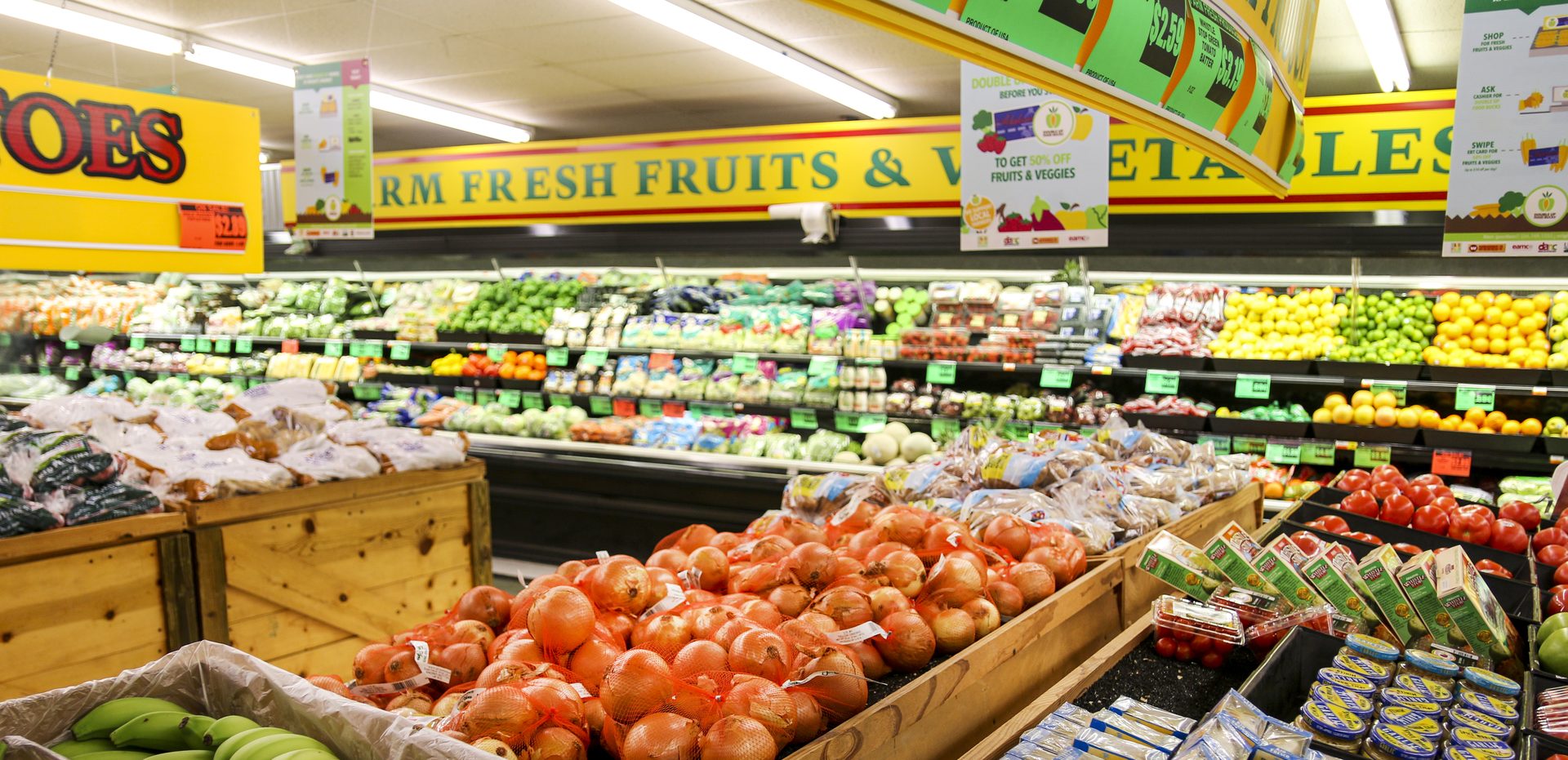
图片来源:CC0(Wikimedia Commons,Alabama Extension)