加州联邦法官驳回 TikTok 动议:近1亿美元旧和解挡不住新的儿童隐私集体诉讼
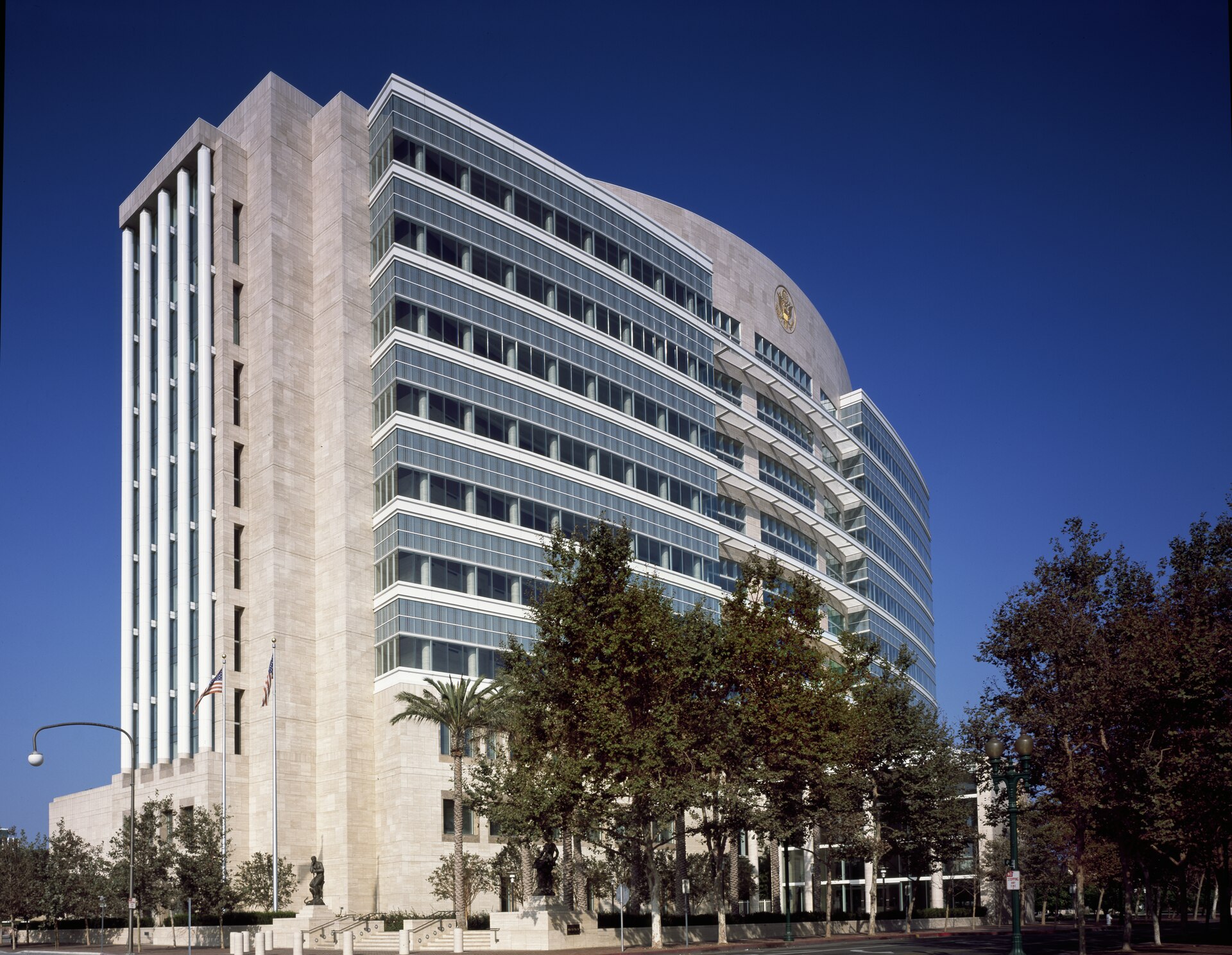
加州中区联邦地区法院法官 George H. Wu 9月23日作出临时裁决(9月24日庭审后转为最终裁决),驳回 TikTok 要求撤销一起儿童隐私集体诉讼的动议。TikTok 辩称,此前两起合计超过9300万美元的全国性和解已经"一事不再理",应当挡下这起新诉讼,法院没有采纳。
这起多区合并诉讼(MDL 25-3144)的原告是多名未成年人,指控 TikTok 在未经父母同意的情况下收集、分享和利用13岁以下儿童的个人信息,违反《儿童在线隐私保护法》(COPPA)及相关州法,索赔期从2019年3月28日起算。
TikTok 搬出的两起旧和解分别是:2019年联邦贸易委员会(FTC)针对 Musical.ly(TikTok 前身)执法的后续和解案 T.K. v. Bytedance,和解金110万美元,覆盖约600万名在2022年8月22日前、未满13岁使用过 Musical.ly 或 TikTok 的用户;以及2020年的 In re TikTok 消费者隐私多区诉讼,和解金9200万美元,涉及 TikTok 用算法、人脸识别等技术收集用户可识别信息并传输至中国服务器的指控。两起和解都附带宽泛的弃权条款。
法院驳回的核心理由是一个事实缺口:T.K. 和解的集体成员是在2022年8月22日前、未满13岁使用过相关应用的人,但本案诉状只写了原告"未满13岁、在集体期间内用过 TikTok",没有写出生日期和首次使用日期,无法从诉状本身认定他们属于旧和解的集体。法院写道:"一个人不需要退出一个他从未加入过的集体。"法院同时驳回 TikTok 关于原告"缺乏起诉资格"的备用论点,认为原告个人资格成立后,能否代表集体是集体认证阶段的问题。
这意味着:企业此前达成的宽泛和解弃权条款,在动议驳回阶段很难直接"封杀"后续诉讼,除非能从诉状本身证明现任原告就是旧集体的成员。案件将进入集体认证阶段。
来源:Duane Morris 法律评述(Mondaq),案件号 In re TikTok, Inc., Minor Privacy Litigation, No. MDL 25-3144(C.D. Cal.)。
California Federal Judge Denies TikTok's Bid to Block New Children's Privacy Class Action With Prior Settlements
Judge George H. Wu of the U.S. District Court for the Central District of California issued a tentative ruling on September 23 (adopted as final after oral argument on September 24) denying TikTok's motion to dismiss a children's privacy class action. TikTok argued two prior nationwide settlements totaling over $93 million barred the new suit; the court disagreed.
The multidistrict litigation (MDL 25-3144) was brought by minors alleging TikTok collected, shared, and exploited the personal information of children under 13 without parental consent, in violation of the Children's Online Privacy Protection Act (COPPA) and related state laws, with a class period stretching back to March 28, 2019.
The two prior settlements TikTok invoked were T.K. v. Bytedance, which followed the FTC's 2019 COPPA enforcement action against Musical.ly (TikTok's predecessor) and settled for $1.1 million on behalf of about 6 million people who used Musical.ly or TikTok before August 22, 2022 while under 13; and the 2020 In re TikTok, Inc., Consumer Privacy Litigation, which settled for $92 million over allegations that TikTok used algorithms, facial recognition, and other technologies to collect identifiable user data and transfer it to servers in China. Both carried broad releases.
The core of the denial was a factual gap: the T.K. settlement class covered people who used the apps before August 22, 2022 while under 13, but the complaint alleged only that the plaintiffs were under 13 and used TikTok during the class period — without birth dates or first-use dates — so membership in the prior class could not be established from the pleadings. As the court put it: "[a] person need not opt out of a class to which that person never belonged." The court also rejected TikTok's fallback argument on standing, holding that once a named plaintiff establishes individual standing, representative capacity is a class-certification question.
The takeaway: broad settlement releases from earlier cases are hard to enforce at the motion-to-dismiss stage unless the defendant can show from the pleadings alone that the current plaintiffs belonged to the prior class. The case now moves toward class certification.
Source: Duane Morris alert (Mondaq); In re TikTok, Inc., Minor Privacy Litigation, No. MDL 25-3144 (C.D. Cal.).
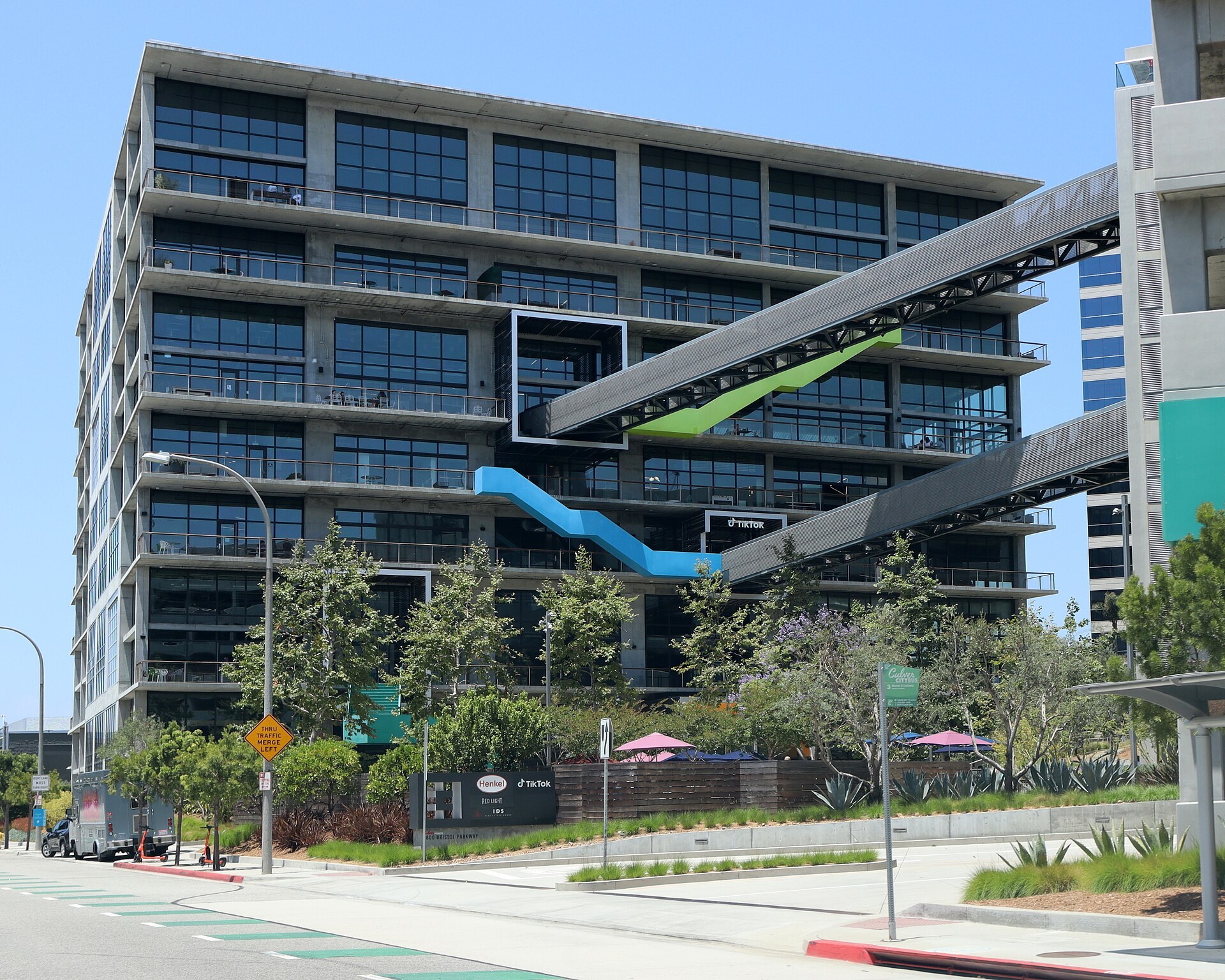
图片来源:TikTok 位于加州卡尔弗城的总部大楼,Coolcaesar 摄,CC BY 4.0(Wikimedia Commons)