特朗普暂松绑俄罗斯柴油制裁压油价,德国周六表态:对俄制裁维持不变,继续联手欧盟加码
德国政府周六(10 月 10 日)表态,在美国总统特朗普宣布暂时解除美国对俄罗斯燃油的制裁后,德国仍将维持对俄罗斯的制裁立场不变。德国政府发言人斯特凡·科内柳斯在一份声明中说:“联邦政府注意到美方关于俄罗斯柴油交付的决定”,并强调“联邦政府仍坚持对俄制裁决定,正与欧洲伙伴共同推进进一步制裁”。
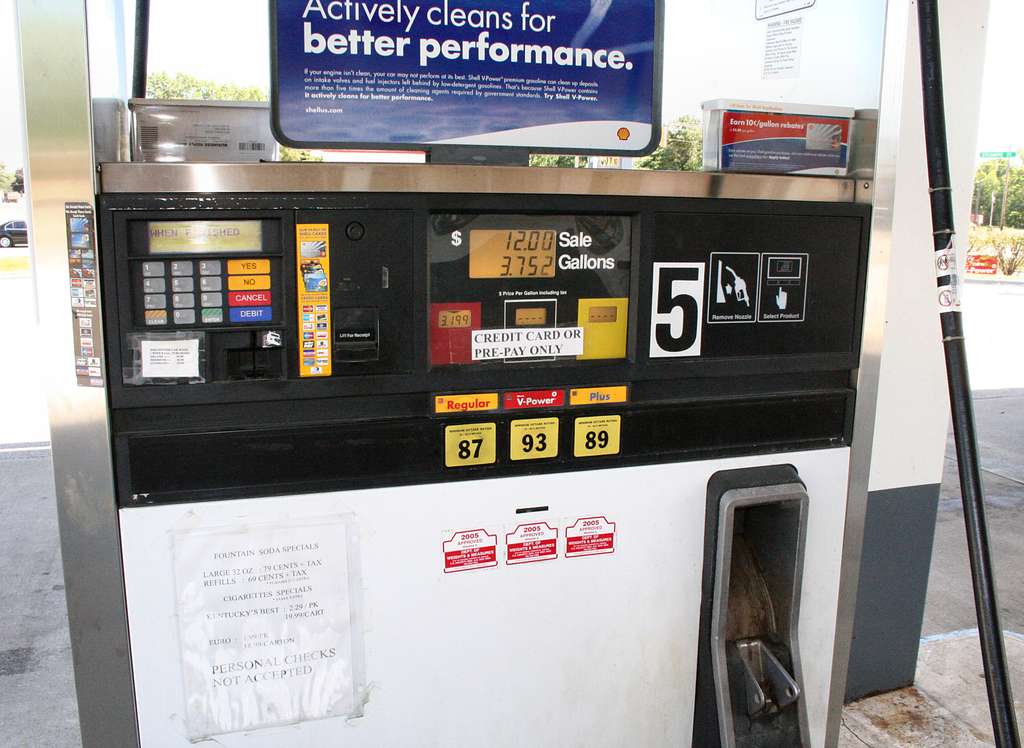
特朗普周五表示,俄罗斯已同意向全球市场供应柴油,以压低燃油价格;他的政府因此暂时解除了原本为切断莫斯科战争经费而设的美国对俄燃油制裁。柴油广泛用于农业、家庭取暖和货运,价格已涨至接近历史高位。对特朗普和共和党而言,燃油价格是 11 月 3 日国会中期选举前最敏感的经济议题之一——共和党目前在国会仅握有微弱多数,选民对高油价的不满正在侵蚀其支持度。
但欧洲盟友并不买账。德国总理默茨上周末刚访问基辅,并多次强调作为乌克兰最大的欧洲捐助国,德国不会削减对基辅政府的支持。德国政府周六重申,对乌克兰的支持不变,推动以外交途径解决问题的努力将继续。华盛顿与柏林在制裁节奏上的分歧,也折射出美国国内选举政治与欧洲安全战略之间的张力:一方急于在投票日前压住油价,另一方担心放松制裁会削弱对俄施压的整体防线。
市场层面,柴油供应预期变化直接牵动能源价格。分析人士指出,若俄罗斯柴油大规模重返全球市场,短期可能缓解欧洲和美国的柴油紧张,但制裁政策反复也让贸易商难以定价。对消费者而言,关键问题是这轮“临时松绑”能持续多久、能多大程度传导到加油站和取暖账单上。白宫尚未说明临时豁免的具体期限和范围,德国及欧盟的下一步制裁方案则成为下周市场关注的焦点。
Trump Temporarily Lifts U.S. Sanctions on Russian Diesel to Press Fuel Prices; Germany Says Saturday It Will Keep Its Russia Sanctions
The German government said on Saturday (October 10) that it would maintain its sanctions against Russia over the war in Ukraine, after U.S. President Donald Trump announced his administration had temporarily lifted U.S. sanctions on Russian fuel. "The federal government has taken note of the U.S. decision relating to Russian diesel deliveries," government spokesperson Stefan Kornelius said in a statement, adding that Berlin "remains committed to the decisions on sanctions against Russia and is working with its European partners on further sanctions."
Trump said on Friday that Russia had agreed to supply diesel to global markets in an effort to lower fuel prices, and that his administration had therefore temporarily lifted U.S. sanctions on Russian fuel originally designed to deprive Moscow of revenues for its war on Ukraine. Diesel, used for agriculture, heating homes and trucking, has risen to near record levels. For Trump and his fellow Republicans, fuel prices are one of the most sensitive economic issues ahead of the November 3 congressional elections, in which Republicans are defending thin majorities and voter anger over high gasoline prices is eroding support.
European allies are not on board. Chancellor Friedrich Merz visited Kyiv last weekend and has said repeatedly that Germany, Ukraine's largest European donor, would not reduce its support for the Kyiv government. Berlin reiterated on Saturday that its support for Ukraine was unchanged and diplomatic efforts to reach a solution would continue. The divergence between Washington and Berlin reflects the tension between U.S. domestic electoral politics and European security strategy: one side is eager to press fuel prices down before election day, the other fears loosening sanctions would weaken the collective pressure on Moscow.
On the markets, shifting diesel-supply expectations feed directly into energy prices. Analysts note that if Russian diesel returns to global markets at scale, it could ease diesel tightness in Europe and the U.S. in the short term — but flip-flopping sanctions policy makes it hard for traders to price. For consumers, the key question is how long this "temporary" relief lasts and how much of it reaches gas stations and heating bills. The White House has not detailed the exemption's duration or scope, while Germany and the EU's next sanctions package becomes the market's focus for next week.
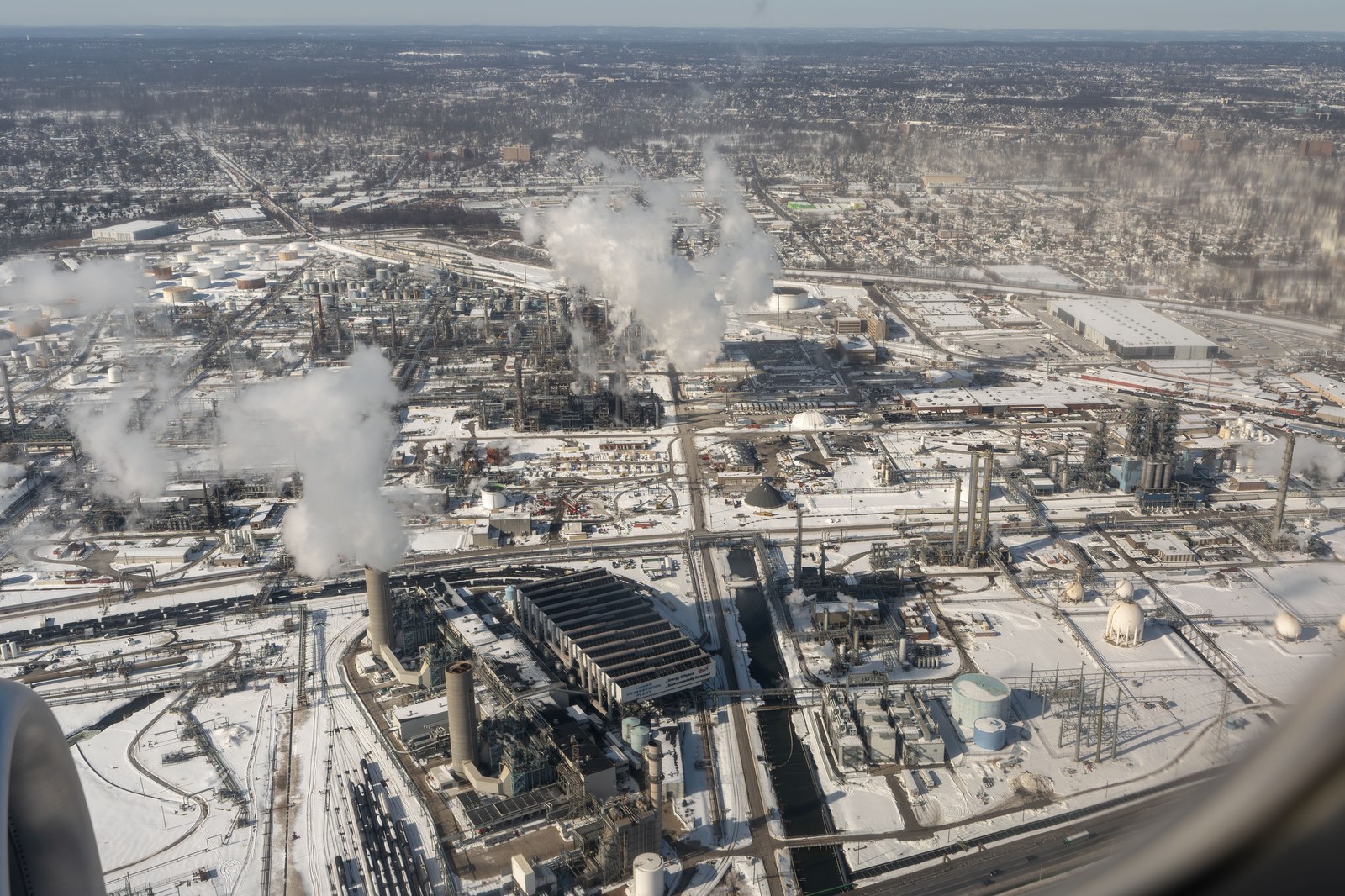
图片来源:Bayway 炼油厂航拍,Quintin Soloviev 摄,CC BY 4.0(Wikimedia Commons)