马来西亚2027年预算案出炉:总支出4598亿令吉,最低工资明年6月涨至2000令吉
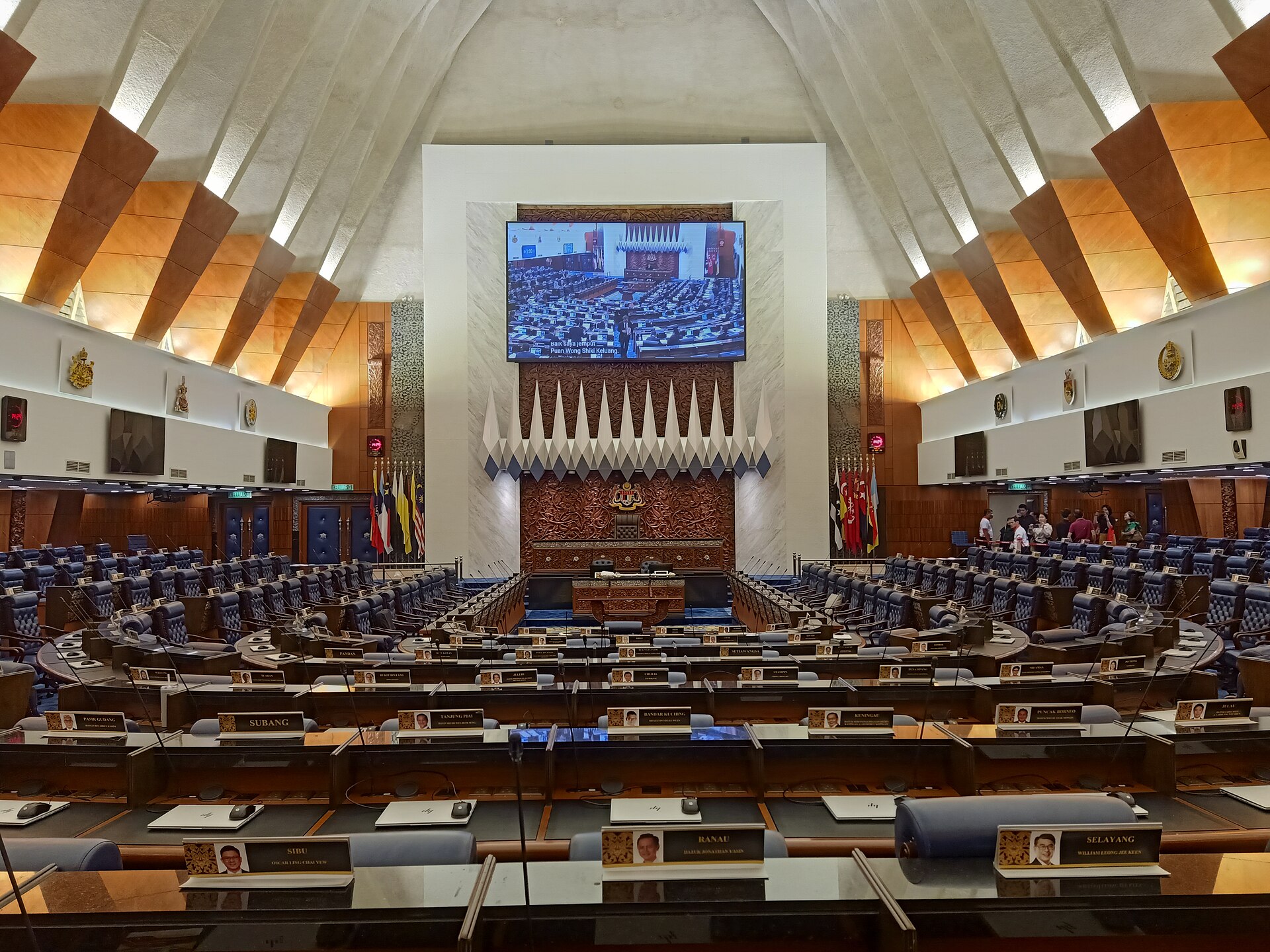
吉隆坡——马来西亚总理兼财政部长安瓦尔·易卜拉欣10月9日在国会提呈2027年财政预算案,总支出4598亿令吉(约1125亿美元),属温和扩张型预算。在可能提前大选的背景下,预算推出一系列税务减免,并宣布明年上调最低工资,尽管全球油价上涨正给财政带来更大压力。
与民生最相关的数字是:最低月工资将从现行1700令吉提高到2000令吉,自2027年6月起实施;年营业额低于5000万令吉的微型和中小企业暂时豁免,以留出调整空间。政府还将推动半熟练工人和大学毕业生的最低起薪达到2500令吉;个人所得税减免额将从9000令吉扩大到12000令吉——这是自2010年以来的首次上调。马来西亚最低工资法同样适用于外籍劳工,因此在马工作的外籍员工也将受惠于新标准。
财政纪律方面,受美以对伊朗战争推高能源成本影响,马来西亚的年度补贴账单大幅膨胀,政府将2026年财政赤字目标从GDP的3.5%小幅上调至3.6%,但预计2027年赤字率降至3.3%。安瓦尔在财政展望报告前言中说:“这不代表偏离财政整顿,而是证明了当环境需要时,我们有能力作出回应。”财政部同时将2026年经济增长预期上调,全年预计增长4.8%至5.3%(上半年实际增长5.7%);2027年预计增长4.2%至5.2%。
政治层面,安瓦尔的执政联盟近月在多场地方选举中接连受挫,联盟内部张力助长了提前大选的预期。下届大选依法最迟在2028年2月举行,安瓦尔曾表示若内部分歧加剧,可能提前解散国会。这份“派糖”与“守纪律”并重的预算,被普遍视为为可能的提前大选铺路。预算案细节将在国会继续辩论。
来源:据路透社2026年10月9日报道、道琼斯经Morningstar发布的财政部展望报道及马来西亚人力资源媒体对预算案的汇总整理。
Malaysia Tables Budget 2027: RM459.8 Billion in Spending, Minimum Wage to Rise to RM2,000 Next June
KUALA LUMPUR — Malaysia unveiled its Budget 2027 in parliament on Friday, October 9, proposing spending of 459.8 billion ringgit ($112.5 billion) — a moderately expansionary package that raises the minimum wage and expands tax relief as the government looks to boost household incomes ahead of a possible early election, despite growing fiscal pressure from a jump in global oil prices. Prime Minister and Finance Minister Anwar Ibrahim presented the budget to the Dewan Rakyat.
The numbers that matter most to households: the monthly minimum wage will rise from 1,700 ringgit to 2,000 ringgit from June 2027, with micro, small and medium enterprises earning less than 50 million ringgit a year exempted for now to allow adjustment. The government also plans minimum starting salaries of 2,500 ringgit for semi-skilled workers and graduates, and will expand individual income-tax relief from 9,000 ringgit to 12,000 ringgit a year — the first such revision since 2010. Malaysia's minimum wage law applies to foreign workers as well as citizens, so foreign employees in Malaysia will also benefit from the new floor.
On fiscal discipline, Malaysia's annual subsidy bill has ballooned amid higher energy costs from the US-Israeli war on Iran, prompting a narrow upward revision of the 2026 deficit target to 3.6 percent of GDP from 3.5 percent; the 2027 deficit is projected to decline to 3.3 percent. 'This does not represent a departure from fiscal consolidation. It demonstrates the value of having built the capacity to respond when circumstances demand it,' Anwar wrote in the fiscal outlook foreword. The Finance Ministry raised its 2026 growth forecast to 4.8–5.3 percent after a stronger-than-expected first half (5.7 percent growth), and expects 4.2–5.2 percent growth in 2027.
Politically, Anwar's coalition has faced a series of setbacks in regional elections in recent months, and tensions within his multi-party alliance are fuelling expectations of early polls. The next general election is not due until February 2028, but Anwar has said he may call snap polls if internal divisions worsen. A budget that both sweetens household incomes and pledges discipline is widely read as preparation for that possibility. Debate on the budget continues in parliament in the coming days.
Sources: Compiled from Reuters (October 9, 2026), Dow Jones' report via Morningstar on the Finance Ministry outlook, and Malaysian HR-media summaries of the budget speech.
图片来源:吉隆坡的马来西亚下议院议事厅,Wolfiewhite 摄,CC0(Wikimedia Commons)