高市早苗国会表态:将密切关注日元与物价 尊重央行独立性 同日重启支出审查寻财源
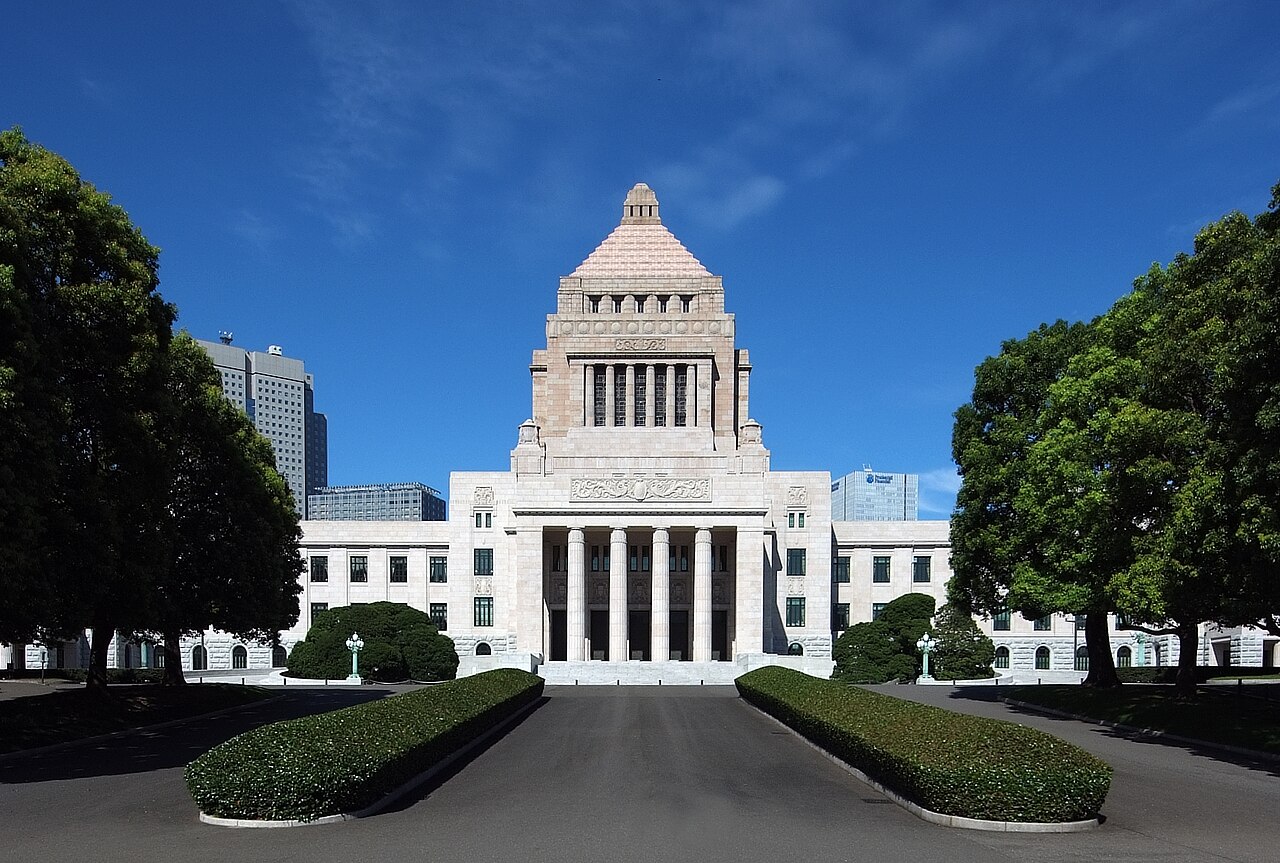
日本首相高市早苗10月9日在国会表示,政府将继续密切关注汇率与物价走势,并作出适当回应。她是在回应在野党议员关于经济政策与弱势日元影响的提问时作上述表态的,路透社当日报道。
高市同时表示,政府将综合利率、日元走势等多重因素引导财政政策。她在前一天的国会答辩中已表示,日本经济已不再处于通缩状态、不再需要再通胀政策,并称政府充分尊重日本银行制定货币政策的独立性,暗示不会阻挠进一步加息。
同一天,日本政府宣布重启类「政府效率部」(DOGE)式的支出审查,扩大对数百亿美元公共资金与补贴的审查范围,重点包括201个专项政府基金,预计到下一财年末余额合计约7万亿日元。审查意在为高市的政策承诺寻找财源,包括计划中的食品消费税削减。
从再通胀旗手到盯住日元与财政纪律,高市的语言转向背后是债市的压力。对在日华人家庭与商户,日元、利率与物价的三角关系直接决定进口商品价格、房贷成本与存款收益,首相在国会的每一句表态都会被市场逐字定价。
Takaichi Vows in Parliament to Watch Yen and Inflation Closely as Spending Review Reboots
Prime Minister Sanae Takaichi told parliament on October 9 that the government will continue to scrutinise exchange-rate and price developments carefully and respond appropriately, according to Reuters. She was answering an opposition lawmaker's question on economic policy and the fallout from a weak yen.
Takaichi said the administration will guide fiscal policy looking at various factors including interest rates and yen moves. Her remarks followed comments in parliament the previous day that Japan's economy no longer needed reflationary policies because it was not experiencing deflation, and that the government fully respects the Bank of Japan's independence in setting monetary policy, suggesting it would not push back against further rate hikes.
The same day, the government announced it would reboot its DOGE-style spending review, widening scrutiny of tens of billions of dollars in public funds and subsidies as it hunts for funding for Takaichi's policy pledges. The latest round focuses on 201 special-purpose government funds holding an estimated 7 trillion yen in balances.
The shift in language from reflation champion to guardian of the yen and fiscal discipline reflects pressure from bond markets concerned about Japan's public finances. For Chinese households and businesses in Japan, the triangle of yen, rates and prices determines import prices, mortgage costs and deposit returns.
图片来源:日本国会议事堂实景,摄影:Wiiii,CC BY-SA 3.0,来源:Wikimedia Commons(File:Diet of Japan Kokkai 2009.jpg)