加州新法向"食品荒漠"动手:关店超市不得再用地契挡新店
加州州长纽森签署的AB 1857《杂货店准入法》近日引发关注。这部法律针对超市行业沿用多年的一个做法:连锁超市关店或搬迁时,常在物业地契里写入"限制性契约",禁止该地址今后再开杂货店,一挡就是几十年。新法建立了一套法律程序,允许社区申请移除这类契约,为全服务超市重新进驻扫清障碍。(该法由州长于9月30日签署。) 提案支持者举的例子是瓦列霍(Vallejo):Safeway关掉市中心门店后,地契条款让那块地整整15年没有任何杂货店能接手。在食品零售高度集中的市场,巨头撤出社区后仍能靠地契挡住后来者,周边居民——不少是低收入家庭——只能开车远行采购,或依赖选择少、价格贵的小店,形成所谓"食品荒漠"。 支持者说,新法的用意很朴素:超市关门应该是"寻找下一家店的开始,而不是对话的终结"。对南加不少华人居民区来说,周边少了平价大超市、只能依赖小店的日子并不陌生,这部法律后续在各地的实际申请与执行,GSM将继续关注。
California Law Targets Grocery "Food Deserts" Left Behind by Store Closures
California's AB 1857, the Grocery Store Access Act signed by Gov. Gavin Newsom, takes aim at a longstanding industry practice: when a chain supermarket closes or relocates, it often writes a "restrictive covenant" into the property deed barring any future grocery store at that address, sometimes for decades. The new law, signed Sept. 30, creates a legal process for communities to petition for removal of such covenants, clearing the way for a full-service grocer to move in. Supporters point to Vallejo, where after Safeway closed its downtown store, a deed restriction kept the site without a grocery store for 15 years. In concentrated food markets, large chains can exit a neighborhood yet still block competitors through the deed, leaving residents, many of them low-income, driving long distances or relying on small, expensive stores in so-called food deserts. Backers say the point is simple: a store closing should be the start of finding the next store, not the end of the conversation. Many Southern California neighborhoods know the problem firsthand, and GSM will follow how the removal process is used in practice.
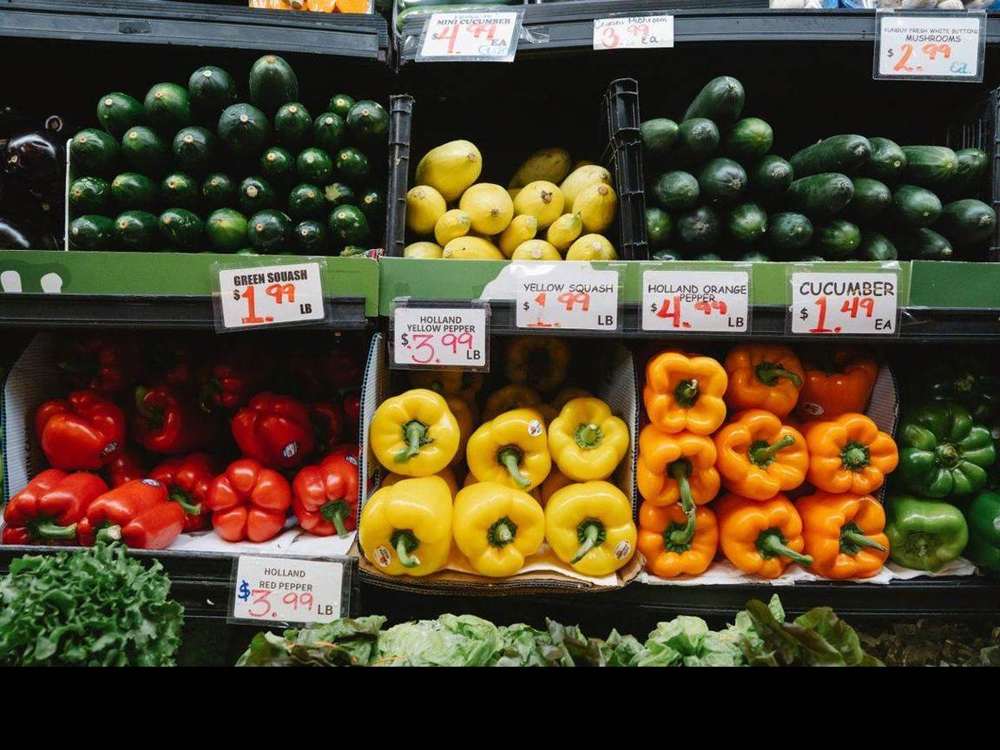
图片来源:配图:超市货架(Pexels 免费授权图,自托管)/ Grocery shelves, via Pexels (free license), self-hosted