川崎重工瞄准2030年全自动人形机器人 与初创企业Noetra及英伟达合作
川崎重工业计划最快在2030年推出全自动人工智能人形机器人Kaleido。《日经亚洲》10月4日报道,这款机器人将先从工厂与仓库的简单作业做起,逐步扩展到装配等复杂工作。
为加速开发,川崎重工与日本初创企业Noetra合作物理AI,并与英伟达结盟。日本在人形机器人赛道目前落后于美国与中国,这次表态被视为日本重工业巨头对赛道的正式加注。
人形机器人的商业逻辑在日本格外直接:人口老龄化与劳动力短缺让工厂、仓库与护理场景对自动化有真实付费意愿。川崎的路径是先在自家最熟悉的工业场景里站稳,再向外扩展能力边界。
同一周,松下也传出计划在2029年前开发人形机器人、从工厂与仓库场景切入的消息。两家老牌制造商先后入场,说明日本产业界对人形机器人的判断正在从「实验室课题」转向「排产表上的产品」。在日华人工程师与留学生集中的机器人、嵌入式与AI专业,可能直接受益于这轮招聘与合作扩张。
Kawasaki Heavy Aims for Fully Autonomous Humanoid AI Robot by 2030
Kawasaki Heavy Industries plans to launch a fully autonomous AI-powered humanoid robot, Kaleido, as early as 2030, Nikkei Asia reported on October 4. The robot will initially perform simple factory and warehouse tasks, with capabilities gradually expanding to assembly and other complex work.
Kawasaki is partnering with Japanese startup Noetra on physical AI and with Nvidia to accelerate development. Japan currently lags the United States and China in humanoid robots, and the announcement marks a formal push by a Japanese heavy-industry major into the field.
The commercial logic is especially direct in Japan, where an ageing population and labour shortages create real willingness to pay for automation in factories, warehouses and care settings. Kawasaki's path is to establish the robot in the industrial environments it knows best before expanding outward.
The same week, Panasonic was reported to be planning humanoid robots by 2029, also starting in factories and warehouses. Two established manufacturers entering in the same week suggests Japanese industry is moving humanoid robots from laboratory topic to product roadmap — a shift with direct implications for hiring in robotics and AI.
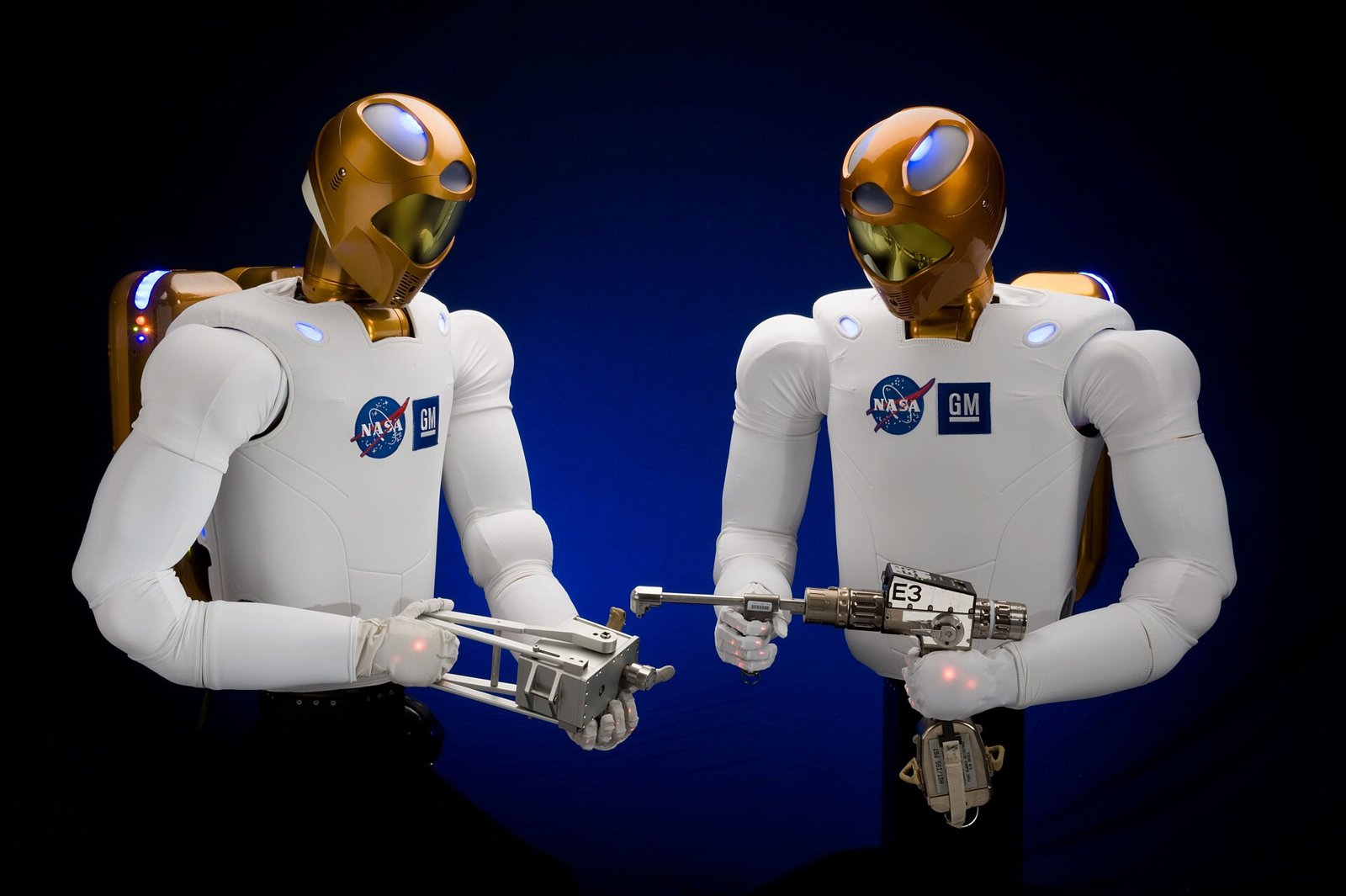
图片来源:图:NASA人形机器人Robonaut 2(资料图)。摄影:Robert Markowitz,公有领域,来源:Wikimedia Commons