AI热潮拉动数据存储需求 日本硬盘零部件厂商逆势扩产
曾经被固态硬盘挤压得节节后退的机械硬盘供应链,正在被人工智能的数据洪流拉回增长轨道。《日经亚洲》10月3日报道,Resonac、TDK、NHK Spring等日本企业在关键硬盘零部件上占据强势地位,正在大举投资海外生产与下一代技术,以满足数据中心存储需求。
AI训练与推理产生的数据量远超传统云服务,数据中心运营商发现,用机械硬盘做大容量冷存储与温存储,单位成本仍显著低于闪存。需求结构的变化,让一度被看作夕阳产业的硬盘零部件订单重新排满。
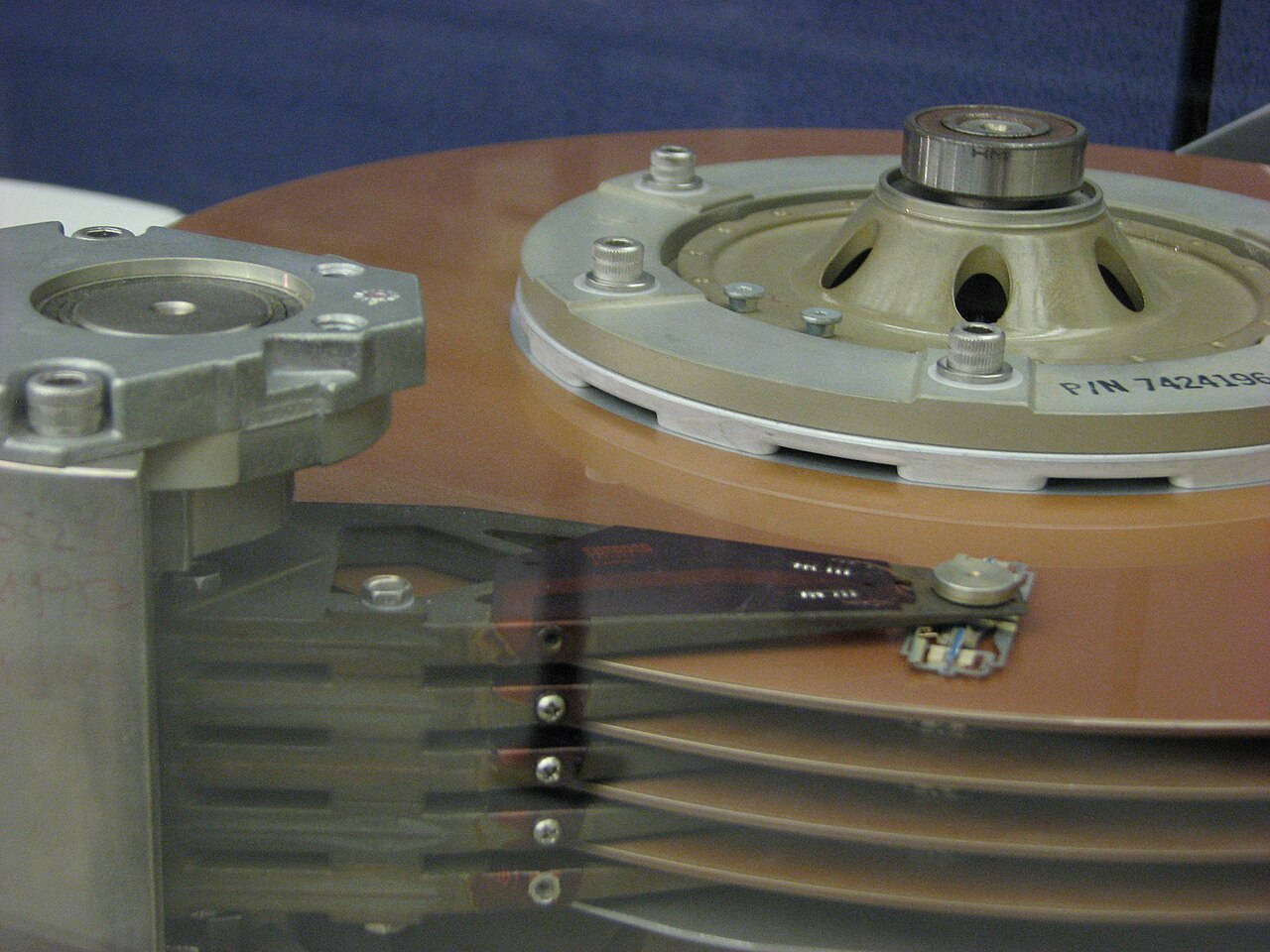
日本企业的优势在材料与精密部件:盘片、磁头悬架、主轴电机等环节的工艺积累难以速成。这一轮扩产中,多家厂商选择把新增产能放在海外,以贴近客户的数据中心建设地与更低的生产成本。
对在日从事电子零部件贸易的华人商户,硬盘链的复苏是一个具体的风向:询价与交期都在变紧。与此同时,札幌在同一天迎来凯悦中心酒店开业,为北海道首家该品牌酒店——消费与产业两端,都在10月初的日本找到了各自的增长故事。
Japan's Hard-Drive Suppliers Ride Soaring AI Demand in a Storage Revival
Japanese companies are expanding hard-drive component production as the AI boom drives demand for data storage, Nikkei Asia reported on October 3. Resonac, TDK and NHK Spring hold strong positions in key hard-drive technologies and are investing heavily in overseas production and next-generation technologies.
The industry had been in decline for years as solid-state drives took share. But the data volumes generated by AI training and inference have revived demand for high-capacity mechanical drives in data centres, where their cost per terabyte for warm and cold storage remains well below flash memory.
Japanese suppliers' strength lies in materials and precision components — platters, suspension assemblies and spindle motors — where process know-how is hard to replicate quickly. Much of the new capacity is being placed overseas, closer to customers' data-centre construction and lower-cost production bases.
For Chinese traders in Japan's electronics components business, the hard-drive revival is a concrete signal: enquiries and lead times are both tightening. The same day, Sapporo gained its first Hyatt Centric hotel, a consumer-side growth story to match the industrial one.
图片来源:机械硬盘内部结构特写,摄影:michaeldbe,CC BY 2.0,来源:Wikimedia Commons(File:Disk drive arms and head.chm.jpg)