企业债市场降温:利差创六个月新高,派拉蒙为收购华纳兄弟所发新债首日跌 4%
据 Finimize 10 月 3 日简报,美国企业债市场本周明显降温:企业借款成本相对美国国债的利差(信用利差)出现今年 3 月以来最大跳升,升至六个月高位。投资者面对创纪录的新债发行洪流开始要求更高补偿,尤其是为 AI 基建大举借款的科技公司。
最受关注的个案是派拉蒙:该公司为其 520 亿美元收购华纳兄弟交易融资所发行的新债,周四上市首日即下跌 4%,派拉蒙股价当天亦下跌超过 9%。简报指出,今年上半年仅四家大型科技公司的发债规模就已比去年全年高出近八成,博通还在为 Anthropic 等公司的 AI 基础设施安排约 600 亿美元融资。
从市场结构看,标普 500 指数距历史高点不到 2%,但上涨高度集中于少数 AI 巨头;等权重口径下指数已接近连续第七周下跌,依赖借款的小型公司股价较 8 月高点回落约 8.5%,约三分之一难以覆盖利息支出。分析认为,借贷成本上升将直接抬高 AI 建设的回本门槛。
信用市场人士指出,利差走阔本身尚不构成危机信号,但它改变了过去两年「发债窗口永远敞开」的市场心态:评级较低的发行人将被迫推迟或缩减发债计划,而现金流稳健的大型公司则可能趁机优化债务结构。这一分化,预计将成为四季度信用市场的主线。
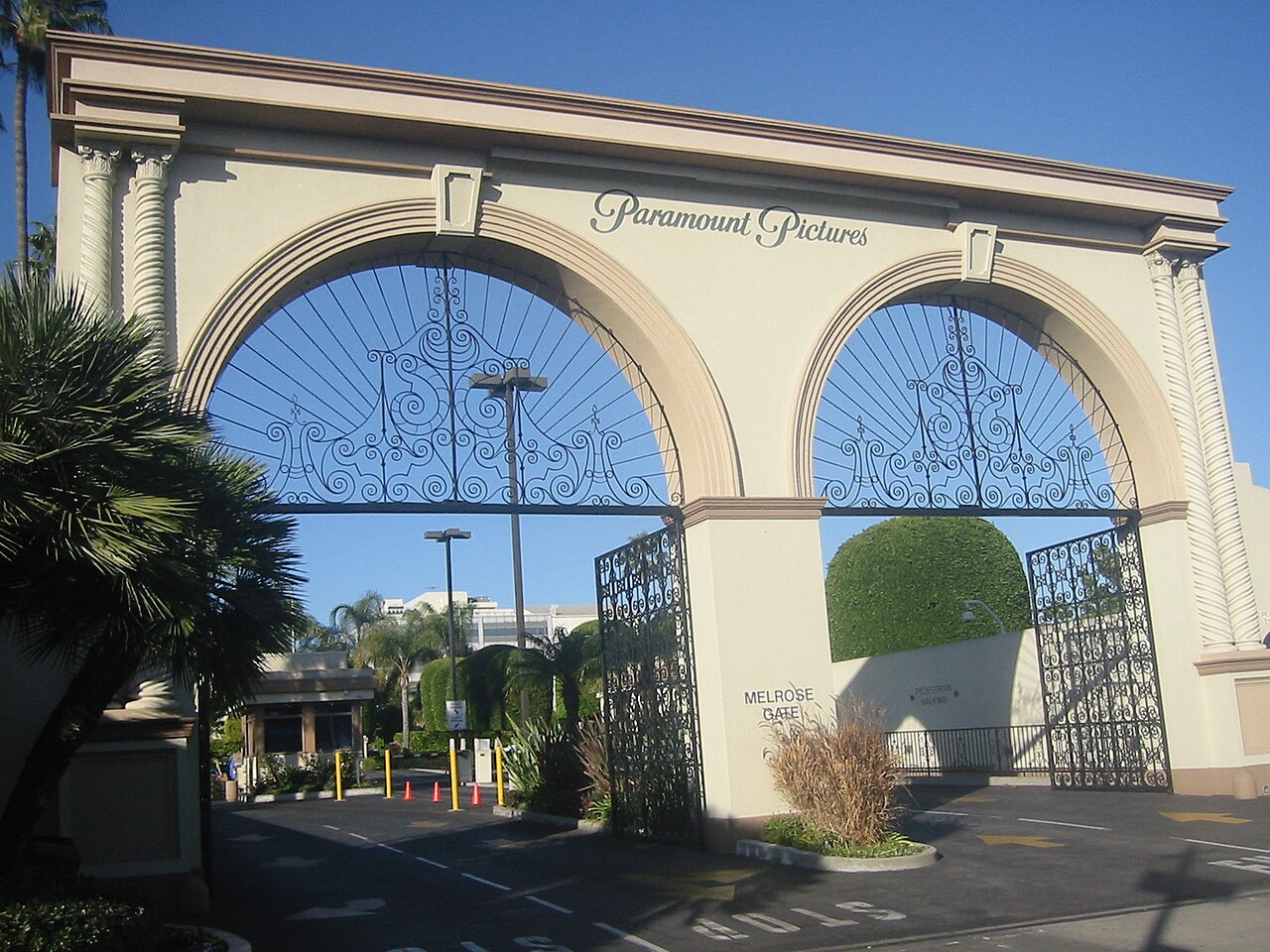
图片来源:派拉蒙影业大门实景,Public domain(Wikimedia Commons,摄影:Gary Minnaert)
Corporate Bonds Wobble as Spreads Hit Six-Month High; Paramount's New Warner Bros. Deal Bonds Slide
The U.S. corporate bond market, one of the calmer corners of finance this year, started to wobble this week, according to Finimize's Oct. 3 daily brief. The extra yield investors demand over U.S. Treasuries — the credit spread — jumped by the most since March to a six-month high, as buyers balked at a flood of new borrowing, much of it tied to AI infrastructure.
The standout case was Paramount: bonds issued as part of the financing for its $52 billion Warner Bros. buyout fell 4% in their first day of trading on Thursday, and the company's stock dropped more than 9% the same day. The brief noted that four of Big Tech's top spenders had already sold nearly 80% more bonds in the first half of this year than in all of last year, and that Broadcom was arranging about $60 billion to fund AI infrastructure for Anthropic and others.
Beneath the surface, the S&P 500 sat within 2% of its all-time record, but a handful of AI giants were doing the heavy lifting; on an equal-weight basis the index was heading for a seventh straight weekly fall. Smaller, borrowing-dependent companies were down about 8.5% from their August peak, with roughly a third struggling to cover interest bills — a sign that higher borrowing costs are raising the bar for the AI buildout to pay off.
Credit strategists stressed that wider spreads are not yet a crisis signal, but they do end the two-year assumption that the issuance window is always open. Weaker borrowers may have to delay or shrink deals, while cash-rich large companies can use the moment to reshape their debt — a split expected to define the fourth quarter in credit markets.
Photo: 派拉蒙影业大门实景,Public domain(Wikimedia Commons,摄影:Gary Minnaert)
图片来源:派拉蒙影业大门实景,Public domain(Wikimedia Commons,摄影:Gary Minnaert)