德国陆军将组建首个无人机团 600人规模、射程500公里 借鉴乌克兰战场经验
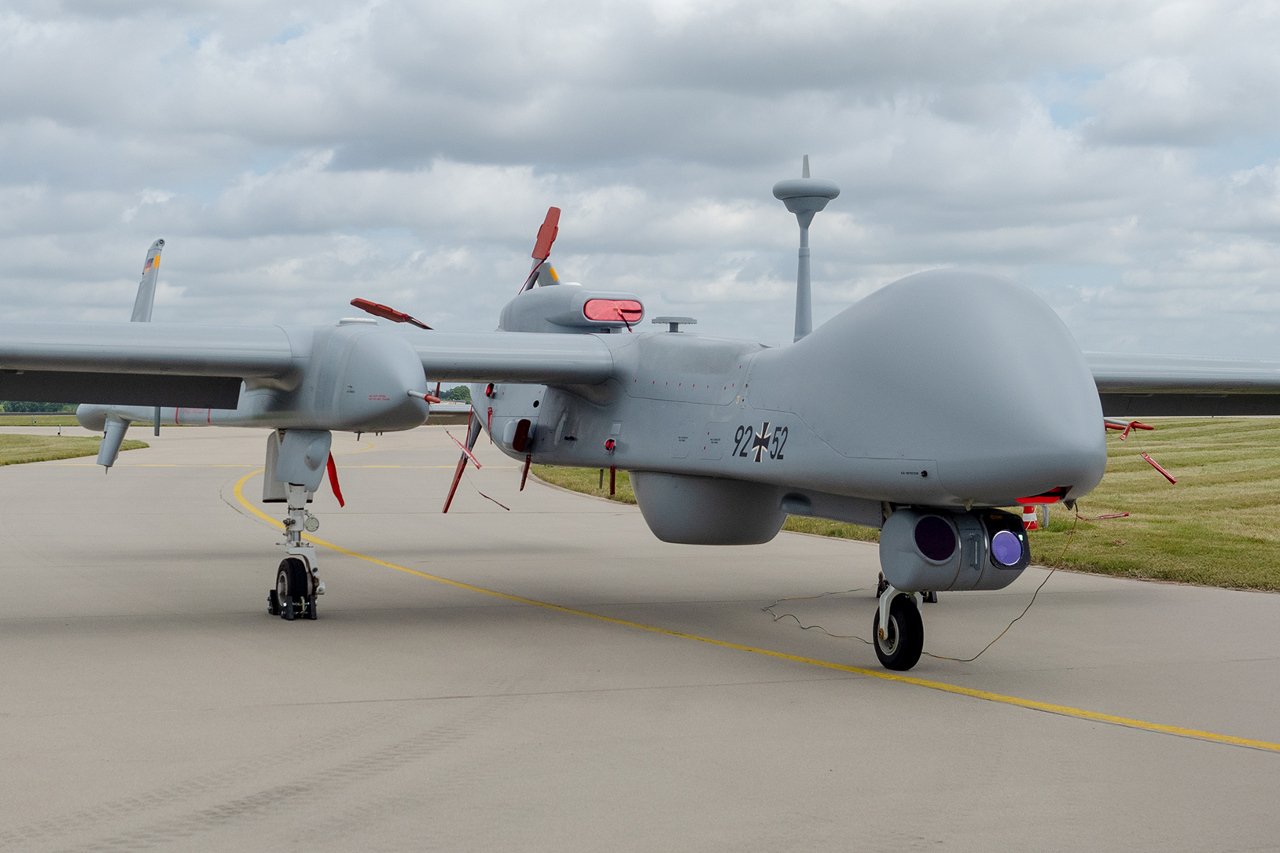
2026年10月2日前后,德国国防部长皮斯托里乌斯(Boris Pistorius)宣布,德国陆军将于2027年组建首个独立无人机团。据《防务新闻》与 Aviation Week 报道,皮斯托里乌斯是10月1日在下萨克森州贝尔根训练场的陆军「陆战实验系列」试验活动上宣布这一决定的,试验直接借鉴了与乌克兰前线部队的实战交流,测试了空中无人机与无人地面系统。
新团将隶属第10装甲师——德国对北约高战备「2025师」承诺的主力,该师还辖驻立陶宛的第45装甲旅。编制初期约300人,后扩至约600人,下辖电子战连与反无人机能力,主要火力聚焦远程打击:陆军总监弗罗伊丁中将表示,师级「纵深作战」的目标射程定为500公里,并称这「不是最终定论」。此前旅级纵深为75公里、师级150公里、军级300公里。
该团将整合侦察、打击、拦截敌方无人机、无人地面车辆、电子战与巡飞弹(「自杀式」无人机)等能力,并与工业界紧密合作加速定型。弗罗伊丁称时间表「雄心勃勃」,初步作战能力预计2027年底形成;团驻地尚未确定,采用何种系统也未定,决定预计明年春季作出。
这是德国军队从乌克兰战争汲取教训、制度化无人作战的标志性一步。此前德国在无人机战力建设上多年迟疑;与此同时,陆军还将在轻步兵、侦察与装甲三大核心兵种同步列装战术无人系统,形成「专门部队+全军普及」的双轨路线。
German Army to Stand Up First Drone Regiment: 600 Troops, 500-Kilometre Reach, Lessons From Ukraine
Around October 2, 2026, Defence Minister Boris Pistorius announced that the German Army will stand up its first independent drone regiment in 2027. Defense News and Aviation Week reported that Pistorius made the announcement on October 1 at the Bergen training area in Lower Saxony, during the army's Experimentalserie Land trials, which tested aerial drones and unmanned ground systems shaped by direct exchanges with Ukrainian frontline units.
The regiment will be a divisional asset of the 10th Panzer Division, Germany's high-readiness 'Division 2025' pledge to NATO, which also oversees Panzerbrigade 45 in Lithuania. It will start at about 300 troops and grow to roughly 600, with an electronic-warfare company and counter-drone capabilities, and a main focus on long-range strike: Army Chief Lieutenant General Christian Freuding set the division's deep-fight reach at 500 kilometres, calling it 'not the last word.' Brigade depth had previously been 75 kilometres, division 150 and corps 300.
The unit will consolidate reconnaissance, strike, interception of enemy drones, unmanned ground vehicles, electronic warfare and loitering munitions under one command, working closely with industry to speed development. Freuding called the timeline ambitious, with initial operational capability expected by the end of 2027; the regiment's location and the systems it will buy have not been decided, with decisions expected in the spring.
The move marks Germany's attempt to institutionalise lessons from the war in Ukraine after years of domestic hesitation over unmanned warfare. In parallel, the army will field tactical unmanned systems directly across its light infantry, reconnaissance and armour branches, a dual-track approach combining a dedicated formation with force-wide adoption.
图片来源:图:德国空军Heron TP无人机(机身编号92+52)在石勒苏益格空军基地展示,无驾驶舱、机头传感器转塔清晰可见。摄影:Boevaya mashina,CC BY-SA 3.0 de,来源:Wikimedia Commons