行政院核定基本工资调涨:2027年起月薪30900元、时薪205元,约261万名劳工受惠
台北——据中央社报道,行政院10月1日核定基本工资调涨方案:自2027年1月1日起,每月基本工资由现行新台币29500元调高至30900元,增加1400元,涨幅4.745%;每小时基本工资由196元调高至205元,增加9元。月薪基本工资首度突破3万元大关,这也是台湾连续第11年在审议后调涨基本工资。
这项方案由劳动部基本工资审议委员会于9月24日开会决议。审议委员会由劳方、资方、学者专家与政府代表共同组成,每年审议次一年度的基本工资水准,决议再送行政院核定。劳动部长洪申翰表示,本次调幅完整反映消费者物价指数约2.07%的涨幅;至于经济成长的果实是否、以及如何进一步与劳工分享,审议过程中各方有不同讨论与主张。主计总处预估,台湾2026年经济成长率可达11.05%。
据劳动部估算,新制上路后约有261万名劳工受惠,其中本国劳工约220万人,产业与社福移工约41万4400人。时薪调涨主要嘉惠部分工时劳工、青年打工族与按时计薪的基层工作者。不过,家事移工与家庭看护工因不适用《劳动基准法》,未纳入本次调涨范围,相关权益安排另循社福移工政策处理。行政院长卓荣泰今年4月曾公开承诺推动基本工资突破3万元,本次核定使月薪门槛正式跨过这一整数关口。基本工资同时是多项劳工保险投保薪资分级与给付计算的基准,调涨后相关级距将依法随之调整,影响层面及于雇主的保费负担与劳工的保险权益。新制距上路尚有准备期,企业人力成本与物价的后续变化,将是2027年实施前后的观察重点。
Executive Yuan Approves Minimum Wage Hike: NT$30,900 a Month and NT$205 an Hour From 2027, Benefiting Some 2.61 Million Workers
Taipei — The Executive Yuan on October 1 approved a new minimum wage package, the Central News Agency reported. Effective January 1, 2027, the monthly minimum wage will rise from NT$29,500 to NT$30,900, an increase of NT$1,400 or 4.745 percent, while the hourly minimum wage will go from NT$196 to NT$205, up NT$9. The monthly floor will exceed NT$30,000 for the first time, and the raise marks the 11th consecutive year the minimum wage has been increased after deliberation.
The package was decided on September 24 by the Ministry of Labor's Minimum Wage Deliberation Committee, which brings together labor, employer, academic and government representatives to set the following year's floor, subject to Executive Yuan approval. Labor Minister Hung Sun-han said the increase fully reflects consumer price inflation of about 2.07 percent, while noting that committee members debated whether, and how far, the fruits of economic growth should also be shared with workers. The Directorate-General of Budget, Accounting and Statistics expects Taiwan's economy to grow 11.05 percent in 2026.
The labor ministry estimates that about 2.61 million workers will benefit, including roughly 2.2 million Taiwanese workers and some 414,400 migrant workers in industry and social welfare services. The hourly increase mainly helps part-time workers, young people in casual jobs and other hourly-paid staff. Live-in caregivers and domestic helpers are not covered, however, because they fall outside the Labor Standards Act; their terms are handled under separate social-welfare migrant worker policies. Premier Cho Jung-tai had publicly pledged in April to push the minimum wage past NT$30,000, and this approval formally carries the monthly floor across that mark. The minimum wage also serves as the basis for labor-insurance salary brackets and benefit calculations, so the related bands will be adjusted by law once the new floor takes effect, touching both employers' premium burdens and workers' insured benefits. With a preparation period before the 2027 start, the effects on business labor costs and prices will be watched closely.
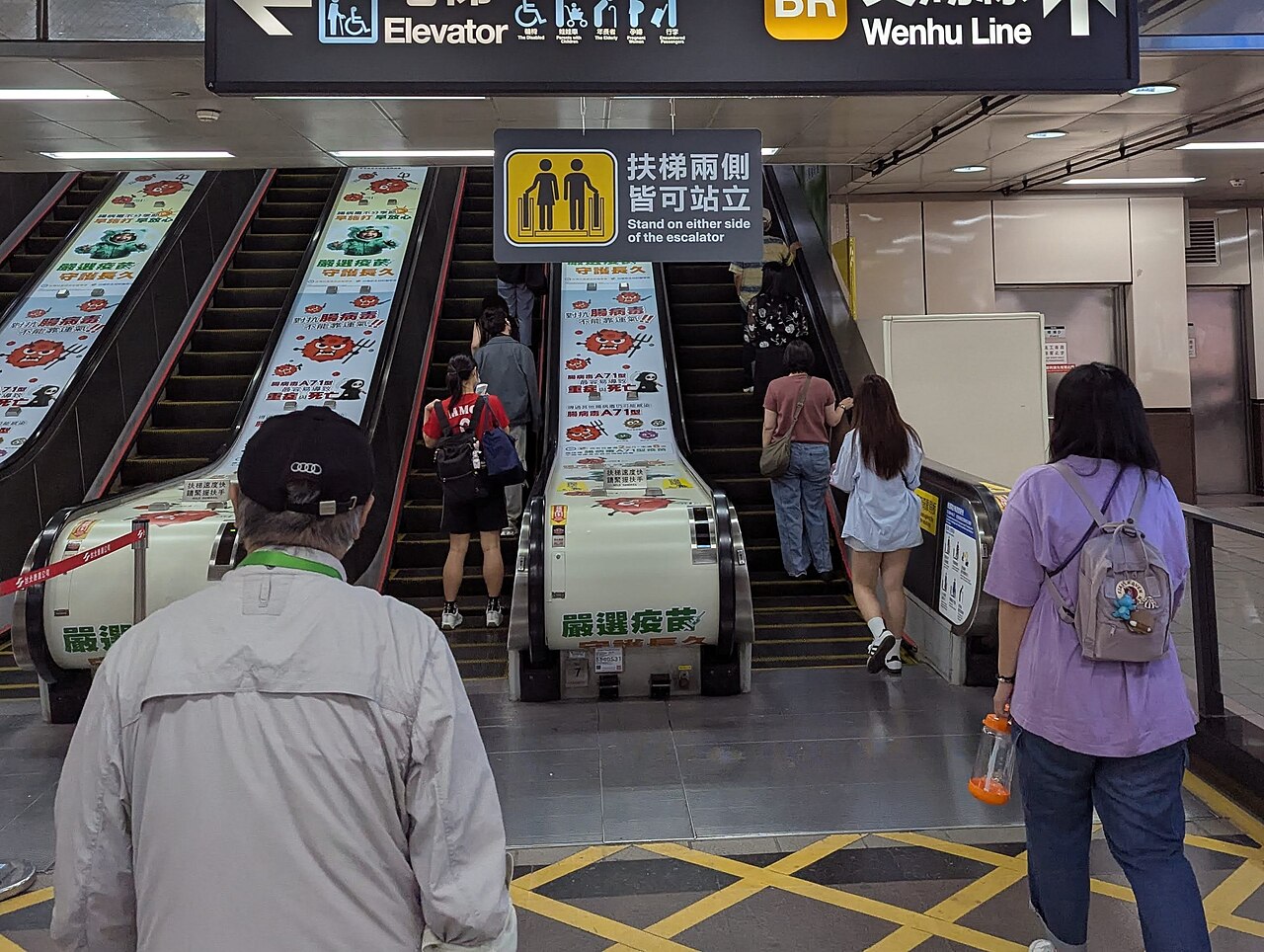
图片来源:台北捷运站内扶梯旁的通勤人潮,Poppytarts 摄,CC0(Wikimedia Commons)